Just before midnight on 29 February 1960, a moderate earthquake — estimated at magnitude 5.7 to 5.9, with modern reanalysis putting it at Mw 5.8 — struck directly beneath the Moroccan coastal city of Agadir. At only about 15 km deep, and centred almost under the city itself, the shallow rupture concentrated its energy with devastating force despite its modest magnitude.
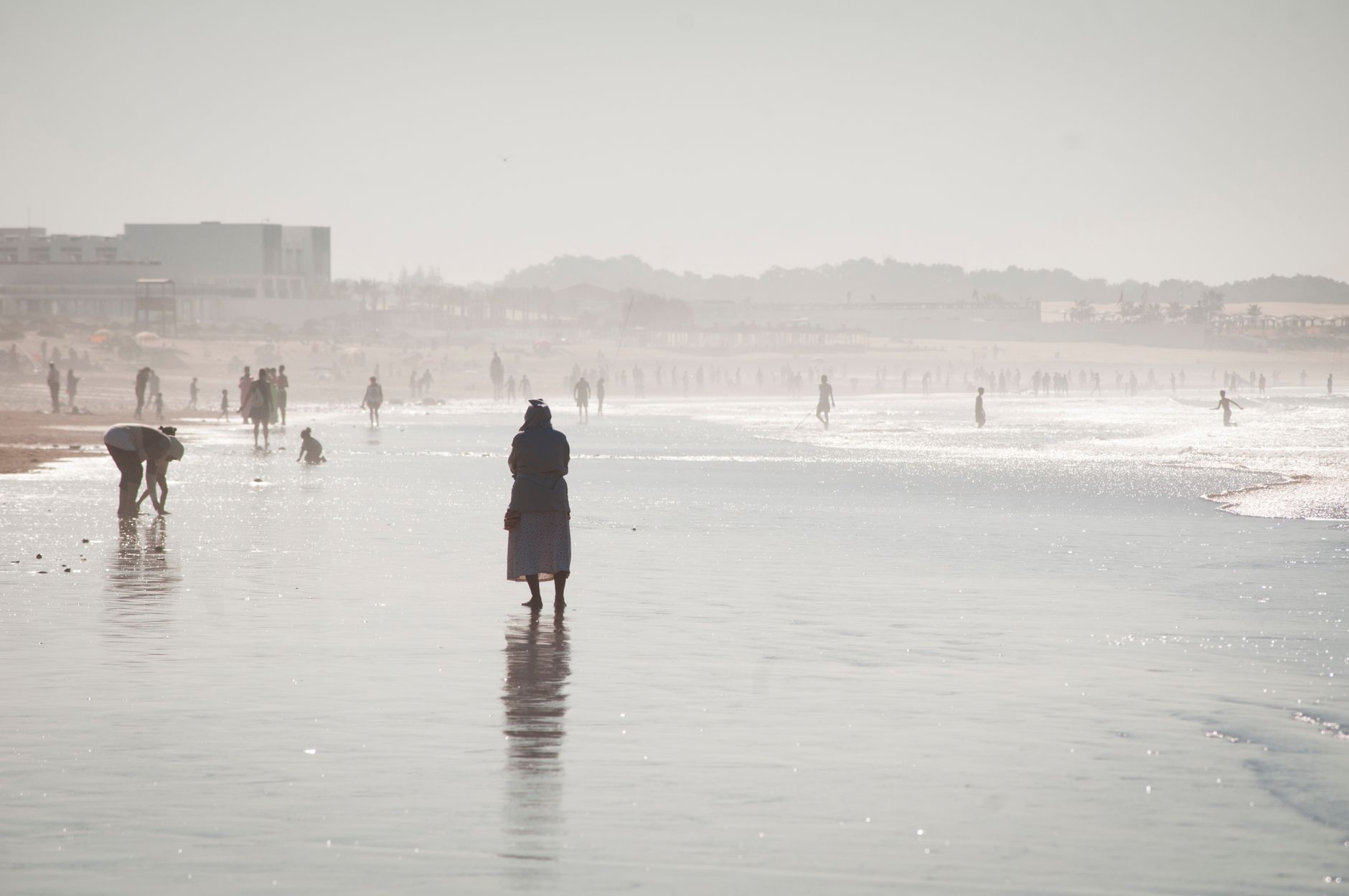
Between an estimated 12,000 and 15,000 people were killed — roughly a third of the city's population at the time — and another 12,000 were injured, with about 35,000 left homeless. Entire neighbourhoods, including the historic kasbah overlooking the bay, were reduced to rubble within seconds, and the death toll made it, for decades, the deadliest earthquake ever to strike Morocco.
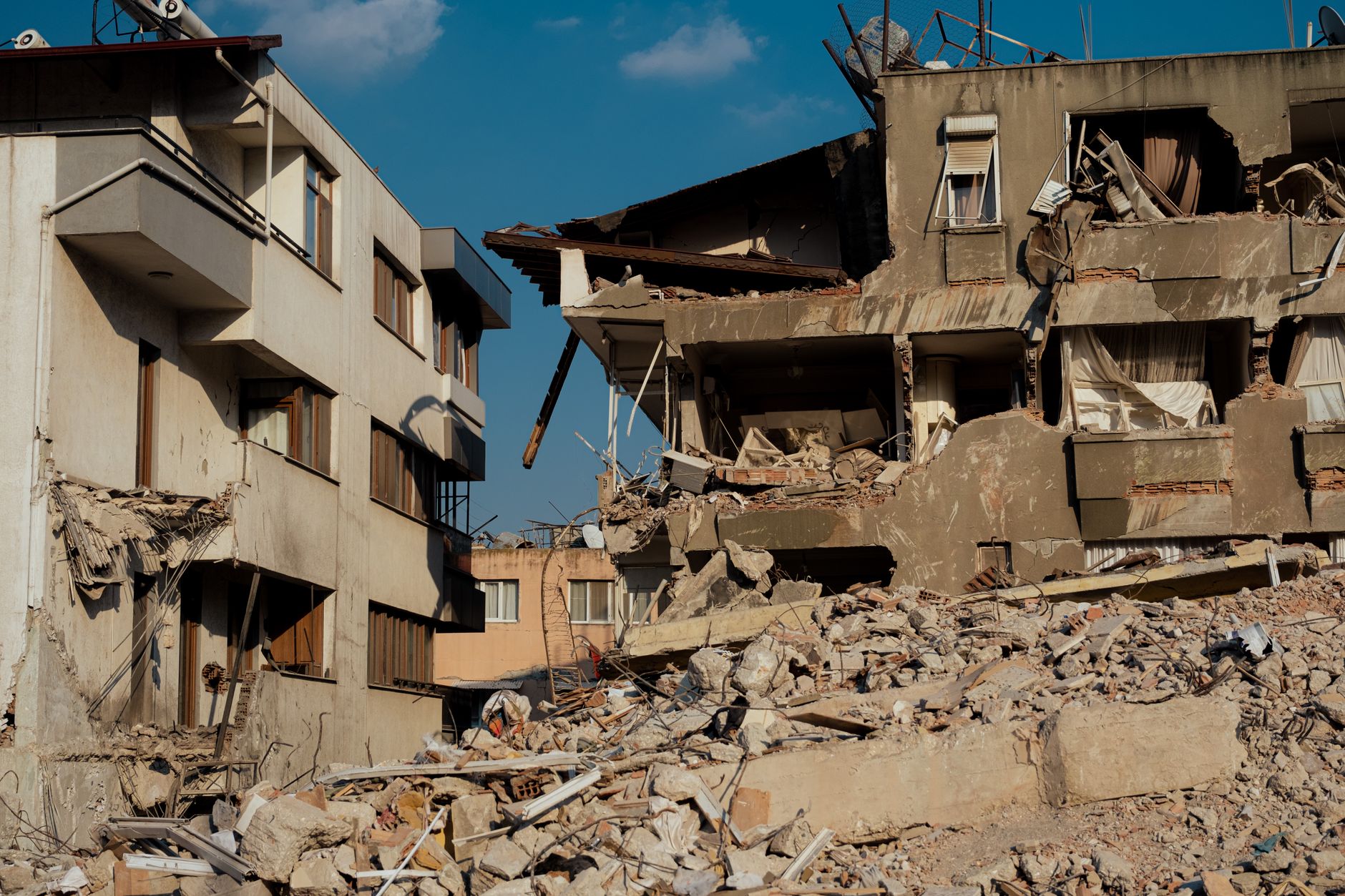
The catastrophic toll stemmed largely from construction: much of Agadir's housing, especially in the old town and poorer districts, was built from unreinforced masonry and rammed earth with no resistance to shaking. Rescue efforts were hampered further because the quake struck at night, trapping most residents asleep indoors, and no functioning seismic monitoring network existed in Morocco at the time to warn of aftershocks.
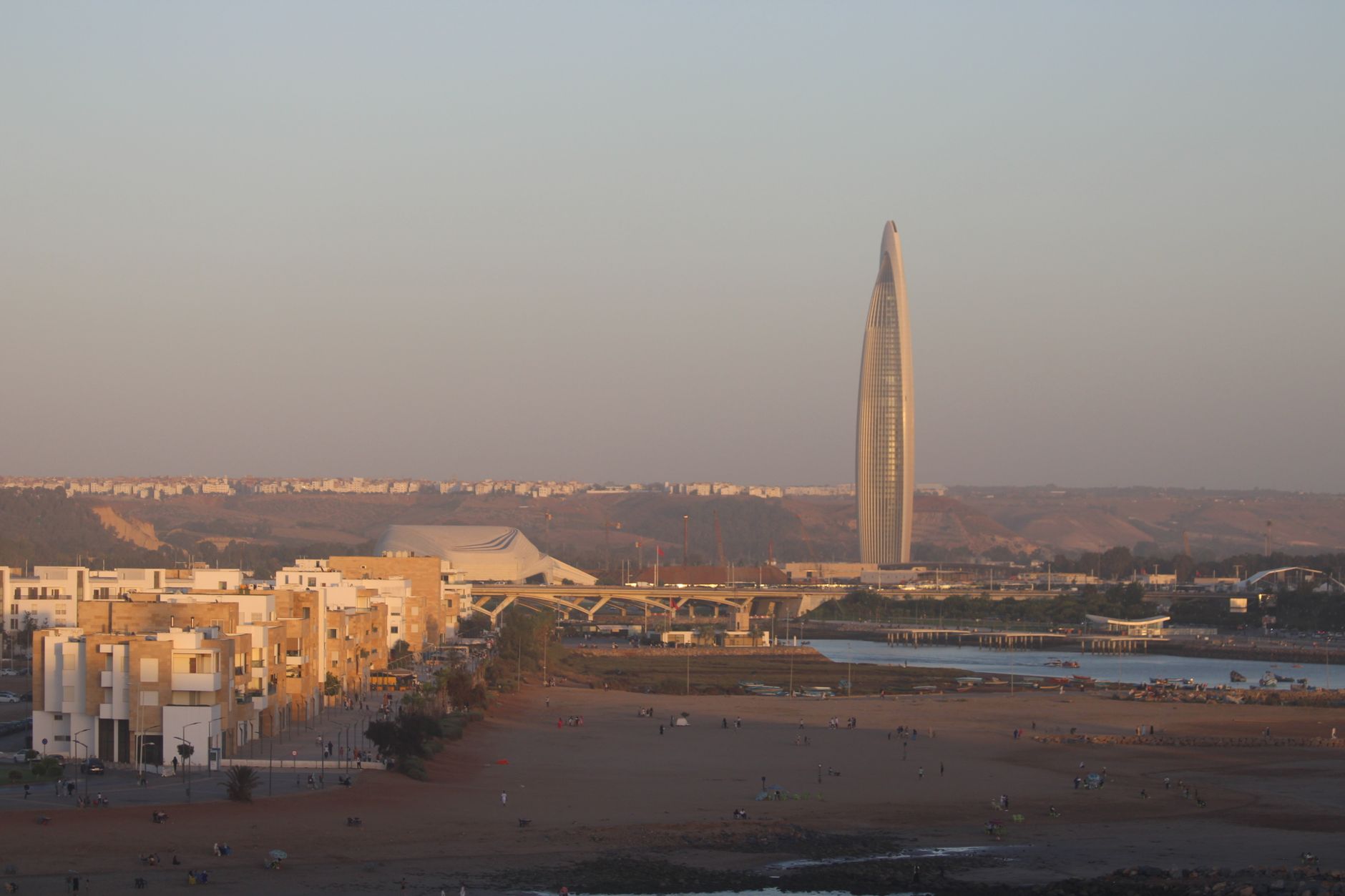
Agadir was rebuilt several kilometres from its original site under one of the first modern seismic building codes adopted in Africa, mandating reinforced concrete construction citywide — a direct response to the disaster. The 1960 earthquake remained Morocco's deadliest until the 2023 Al Haouz earthquake surpassed it, and it is still the reference event studied by Moroccan seismologists monitoring the country's Atlantic and Atlas fault systems today.