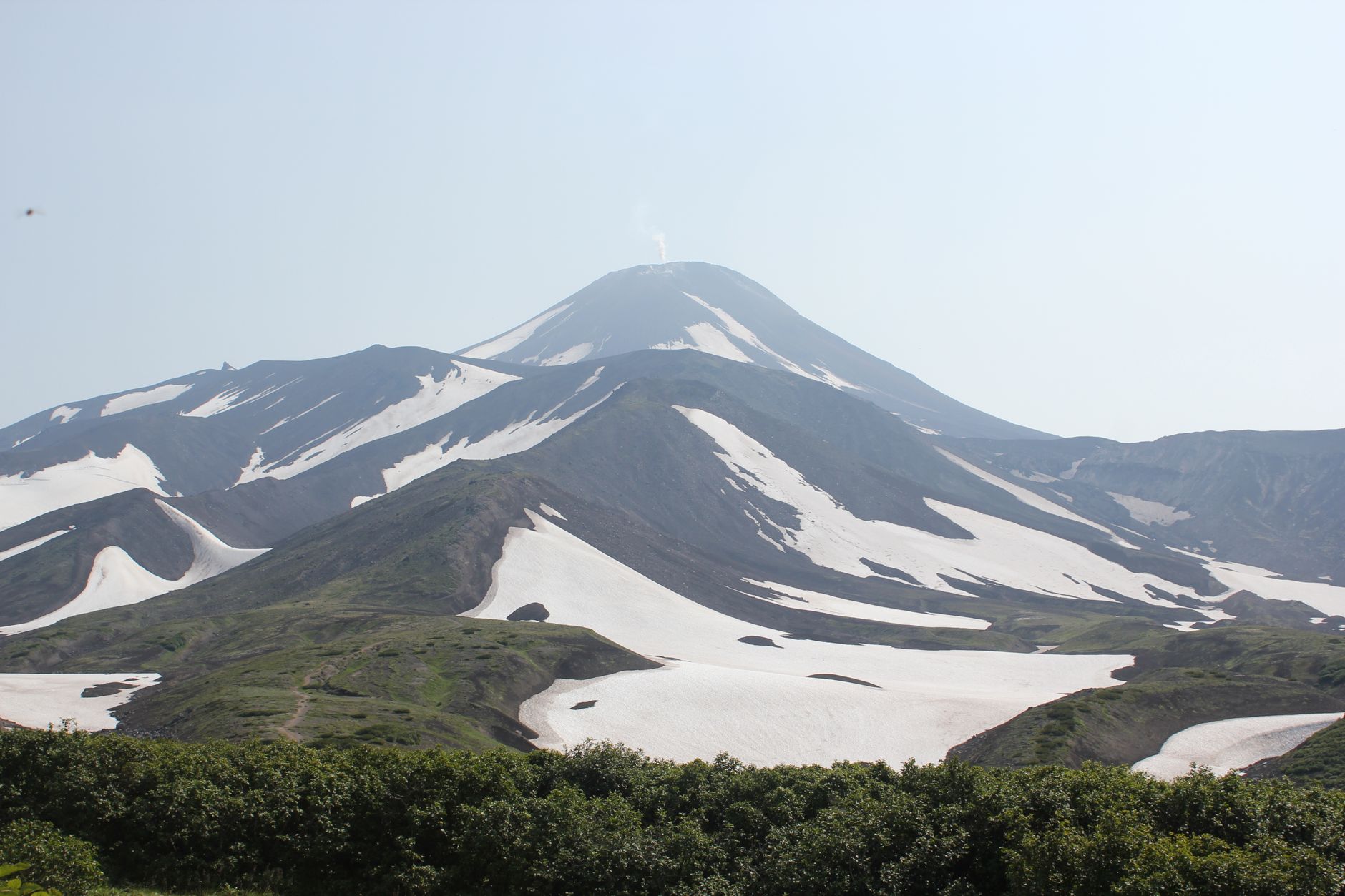
Biggest earthquakes in history
The most powerful earthquakes ever recorded by instruments, ranked by moment magnitude. All of the top events happened along subduction zones, where one tectonic plate dives beneath another.
| Magnitude | Location | Year |
|---|---|---|
| M9.5 | Valdivia, Chile | 1960 |
| M9.2 | Alaska, USA | 1964 |
| M9.1 | Sumatra, Indonesia | 2004 |
| M9.1 | Tōhoku, Japan | 2011 |
| M9.0 | Kamchatka, Russia | 1952 |
| M8.8 | Maule, Chile | 2010 |
| M8.6 | Ecuador–Colombia | 1906 |
| M8.0 | Mexico City | 1985 |
| M7.8 | Turkey–Syria | 2023 |
| M7.0 | Haiti | 2010 |
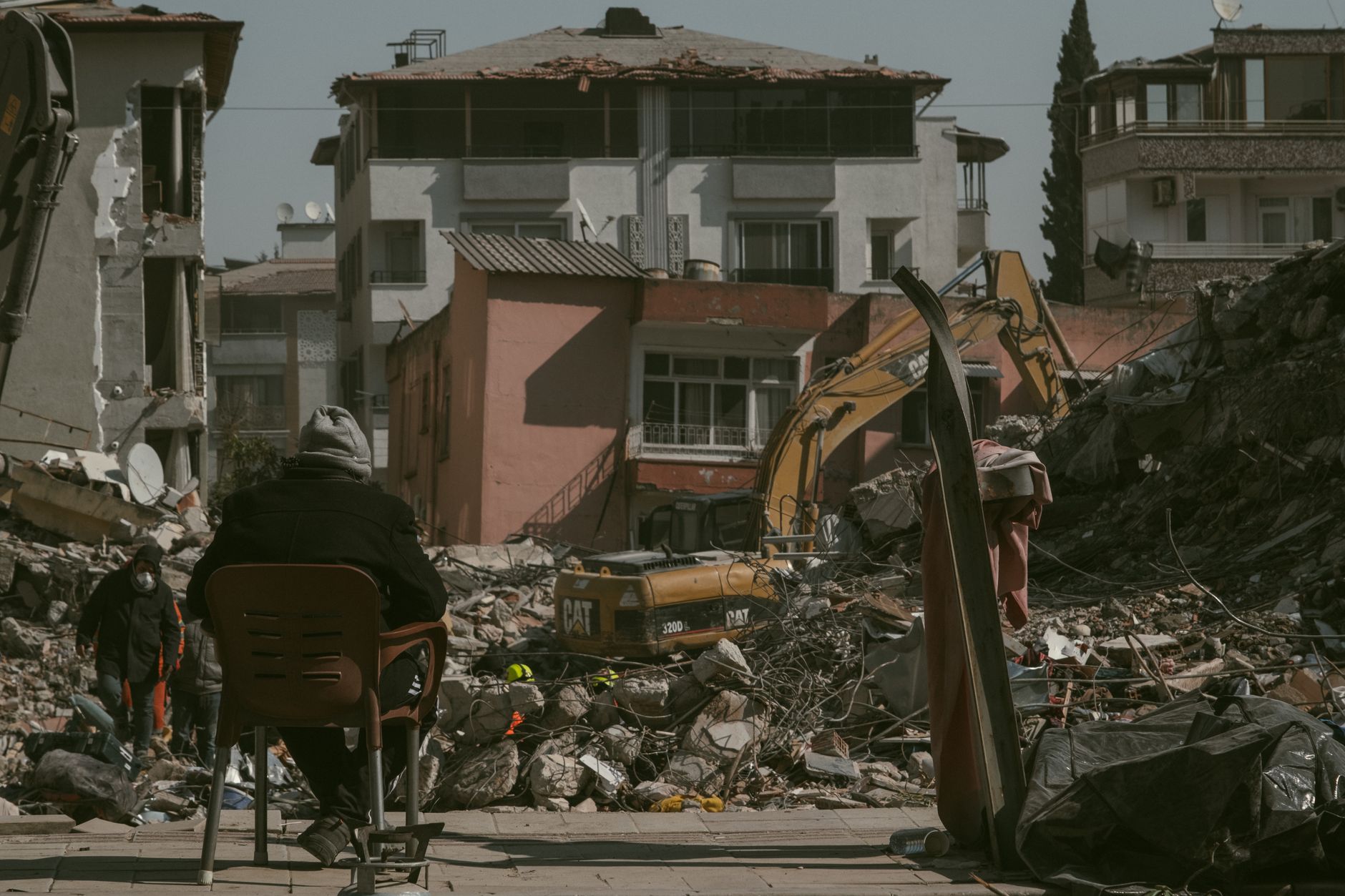
Magnitude is logarithmic: each whole number is about 32 times more energy released. That is why a M9.5 like Valdivia dwarfs even a devastating M7.0 such as Haiti. But as Haiti and Lorca show, the death toll depends on depth, population and building quality — not magnitude alone.
This ranking uses moment magnitude, the same measure catalogued by NOAA's National Centers for Environmental Information (NCEI) in its Significant Earthquake Database, which has tracked major global quakes — by damage, deaths or magnitude — since ancient times. Every event in the top ten struck along a subduction-zone plate boundary around the Pacific or Indian Ocean, which is why the Pacific 'Ring of Fire' produces almost every giant earthquake on record.
Not all ten were originally reported at these values. The 1960 Valdivia and 1964 Alaska events, in particular, only received their current M9+ figures once scientists developed the moment magnitude scale (Mw) — the old Richter scale saturates well below magnitude 9 and could never register ruptures this size. See how earthquake magnitude is actually measured for the full explanation.
Note that "biggest" and "deadliest" are two different rankings. This page is sorted purely by moment magnitude — the physical energy released at the source. The list of the world's deadliest earthquakes looks very different: it is dominated by shallow, moderate-magnitude events that struck directly beneath dense populations, such as Haiti 2010 (M7.0) or Tangshan 1976, rather than by these offshore giants. A M9+ quake usually ruptures far under the ocean floor along a subduction trench, hundreds of kilometres from the nearest large city, which is part of why some of the biggest earthquakes ever recorded caused comparatively modest death tolls next to far smaller, shallower quakes closer to a populated coastline. Magnitude tells you how much energy an earthquake released; it does not by itself tell you how many people were in harm's way.