Home › Earthquake Valdivia, Chile
Valdivia 1960: M9.5, Still the Strongest Quake Ever
M 9.5Magnitude
22 May 1960Date
~1,655–6,000Deaths
| Field | Data |
|---|
| Moment magnitude | 9.5 (some studies: 9.4–9.6) |
| Date & time | 22 May 1960, 19:11 UTC (15:11 local) |
| Depth | ~25 km |
| Fault / plate boundary | Nazca Plate subducting under South American Plate, ~800 km rupture |
| Foreshock | M7.9, 21 May 1960, Concepción area |
| Aftershocks | 318 above M2; 5 of M7.0+ through Nov 1960 |
| Deaths | ~1,655–6,000 (Chile) + 61 (Hawaii) + 138 (Japan) |
| Homeless | ~2,000,000 |
| Tsunami | Pacific-wide; run-up ~10 m at Hilo, Hawaii |
| Secondary effect | Cordón Caulle volcano erupted 47 h later |
| Source | USGS, NOAA NCEI |
Advertisement
The 1960 Valdivia earthquake, also called the Great Chilean earthquake, struck southern Chile on 22 May 1960 with a moment magnitude of 9.5 — the most powerful earthquake ever recorded by instruments.
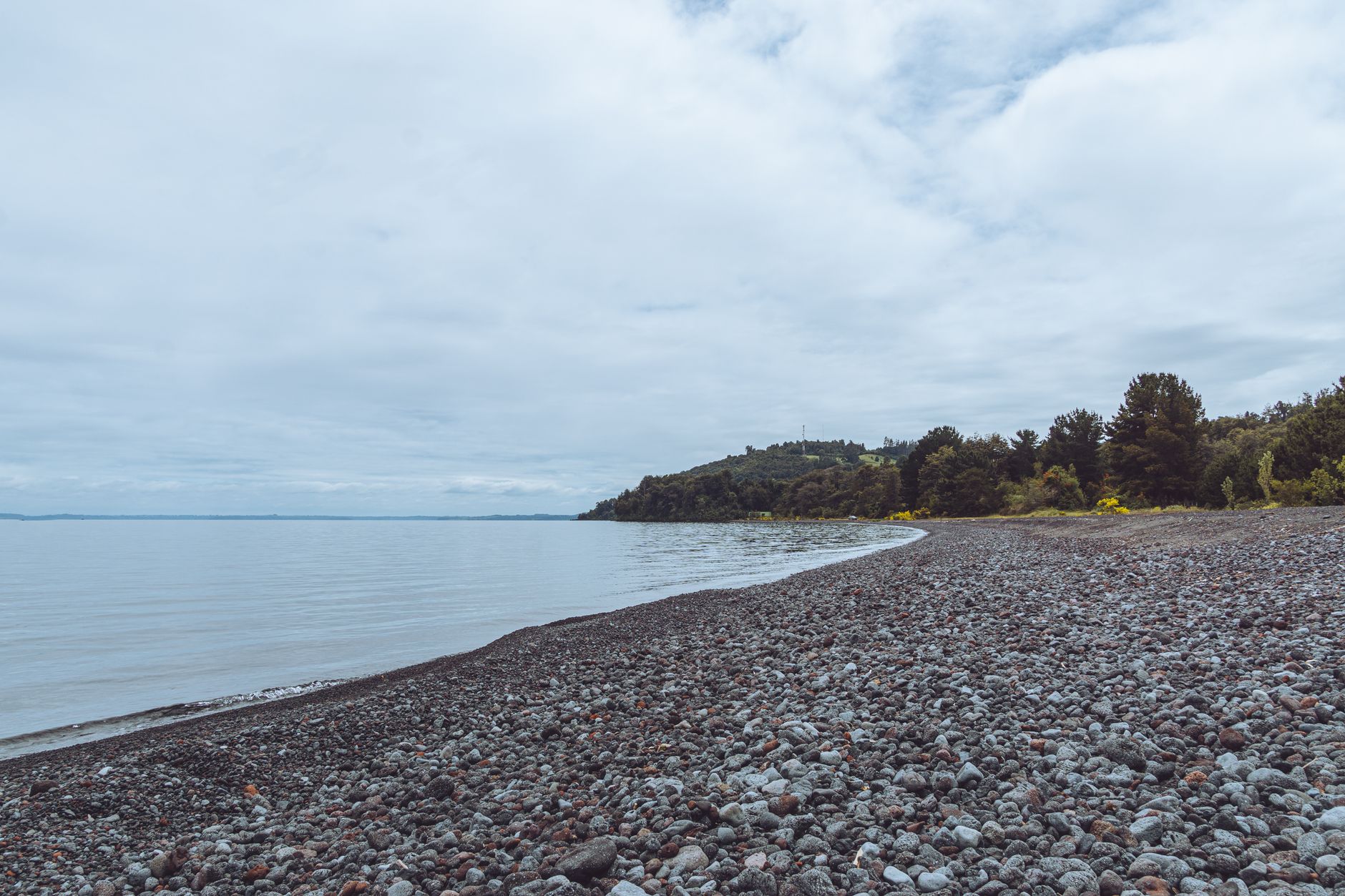
The rupture ran roughly 800 km along the boundary where the Nazca Plate dives beneath the South American Plate. It triggered a Pacific-wide tsunami that killed people as far away as Hawaii, Japan and the Philippines, and it set off the eruption of the Cordón Caulle volcano days later.
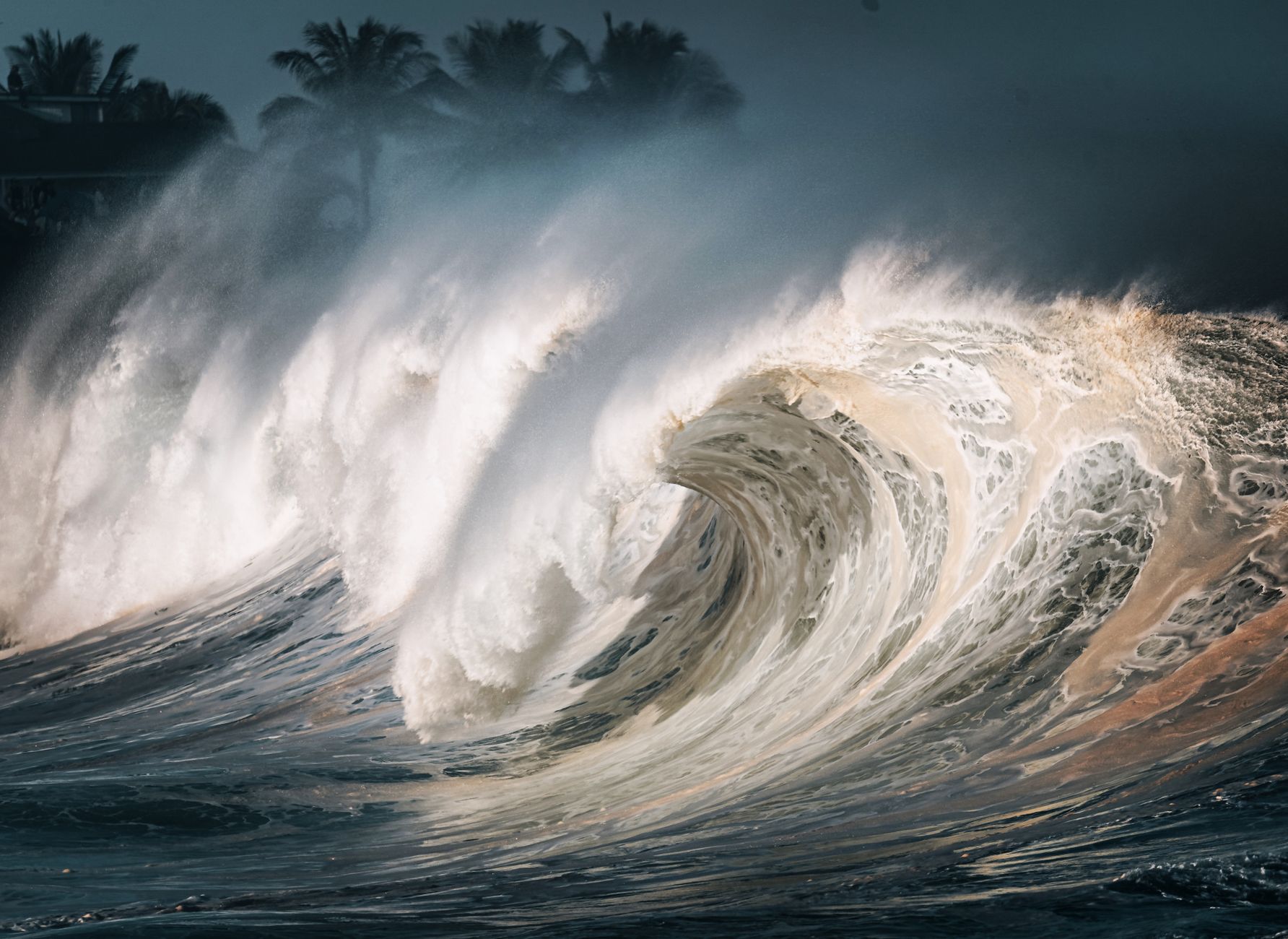
Estimates of the death toll range widely, from about 1,655 to several thousand, with around two million people left homeless. Because so much of the energy was released offshore, the tsunami — not the shaking alone — caused a large share of the destruction. Valdivia remains the benchmark against which every other great earthquake is measured.
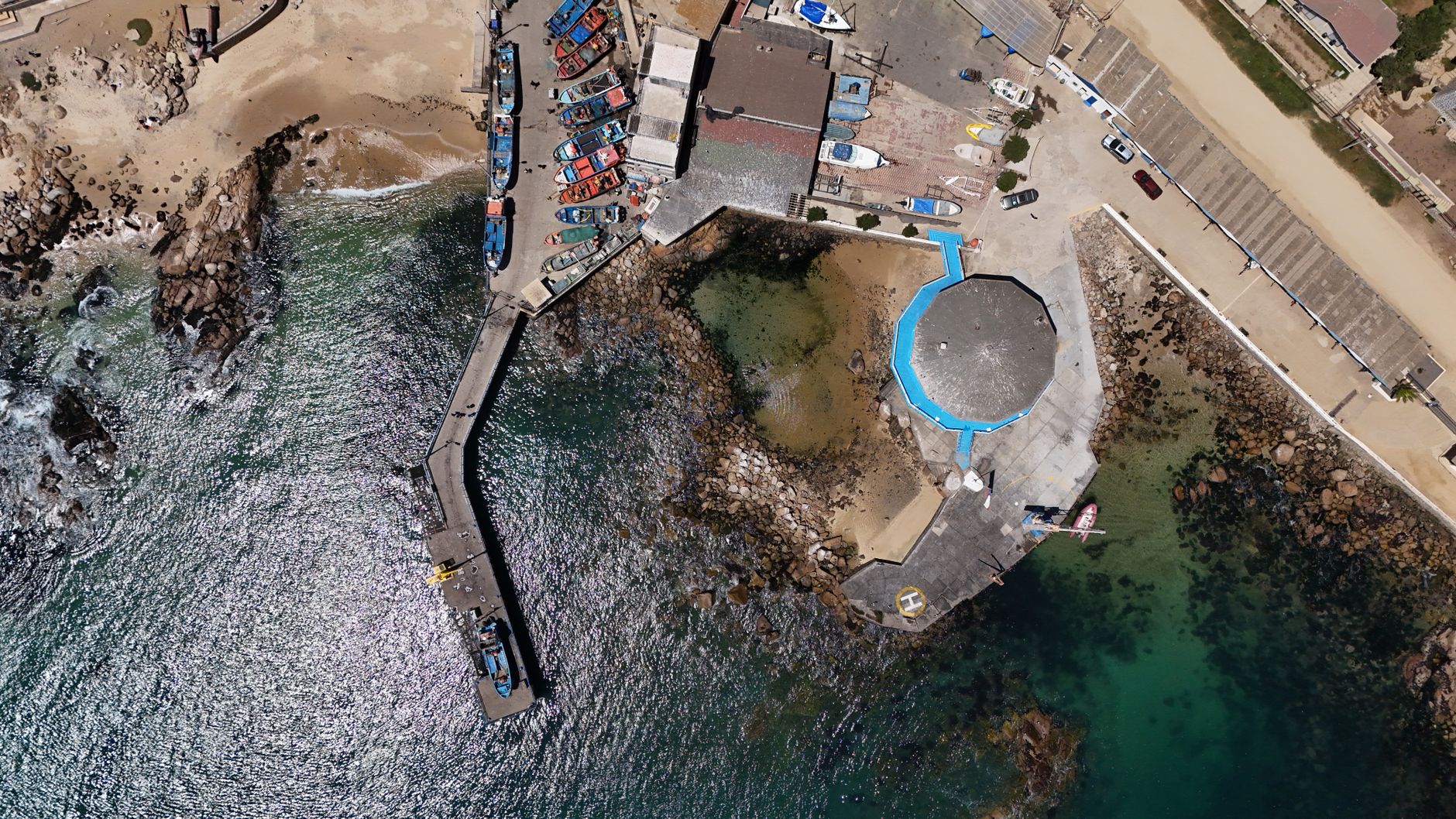
NOAA's historical tsunami database shows just how far that energy travelled: the wave reached Hilo, Hawaii in under 15 hours with a run-up near 10 metres, killing 61 people, then struck Japan around a day later — some 17,000 km from the epicentre — killing more than 100 more. It is one of the clearest demonstrations that a mega-thrust earthquake's danger is not confined to its own coastline.
USGS lists the mainshock hypocentral depth at about 25 km and notes it was preceded by a swarm of large foreshocks, including a M7.9 event on 21 May that had already devastated the Concepción area a day earlier. In the following months, seismic networks catalogued 318 aftershocks above magnitude 2, five of them at M7.0 or greater through November 1960 — an aftershock sequence long enough that some Chilean towns spent months rebuilding under repeated strong shaking. Roughly 47 hours after the mainshock, the Cordón Caulle volcanic complex erupted explosively for the first time in nearly 40 years, sending an ash column about 8 km high — a textbook case of a mega-earthquake triggering nearby volcanism through crustal stress transfer.
Frequently asked questions
Why is the 1960 Valdivia earthquake the strongest ever recorded?
Instrumental records only became reliable enough to compare quakes globally in the 20th century, and no earthquake since has released more seismic energy. Its M9.5 moment magnitude corresponds to roughly 2.5 times the energy of the next-largest recorded quake, Alaska 1964 (M9.2).
How deep was the Valdivia earthquake?
USGS places the hypocentre at about 25 km deep, a typical depth for a great subduction-zone megathrust rupture along the Nazca–South American plate boundary.
Did the Valdivia earthquake cause a tsunami?
Yes, one of the most destructive Pacific-wide tsunamis on record. It killed 61 people in Hawaii roughly 15 hours after the quake and 138 more in Japan about a day later, some 17,000 km from the epicentre.
How many people died in the 1960 Chile earthquake?
Estimates vary from about 1,655 to 6,000 deaths in Chile, plus tsunami deaths abroad (61 in Hawaii, 138 in Japan), because record-keeping in remote southern Chile was incomplete at the time.
Did the Valdivia earthquake trigger a volcanic eruption?
Yes — the Cordón Caulle volcanic complex erupted explosively about 47 hours after the mainshock, after nearly 40 years of dormancy, in a case widely cited as earthquake-triggered volcanism.
What fault caused the 1960 Chile earthquake?
It ruptured roughly 800 km of the megathrust boundary where the Nazca Plate subducts beneath the South American Plate off the coast of south-central Chile.
Could an earthquake as strong as Valdivia happen again?
Seismologists consider it physically possible wherever a long enough, fully locked subduction zone exists, but such extreme-magnitude ruptures are rare — Valdivia remains the only M9.5 instrumentally recorded in over a century of monitoring.
Advertisement
See the biggest earthquakes →