Before
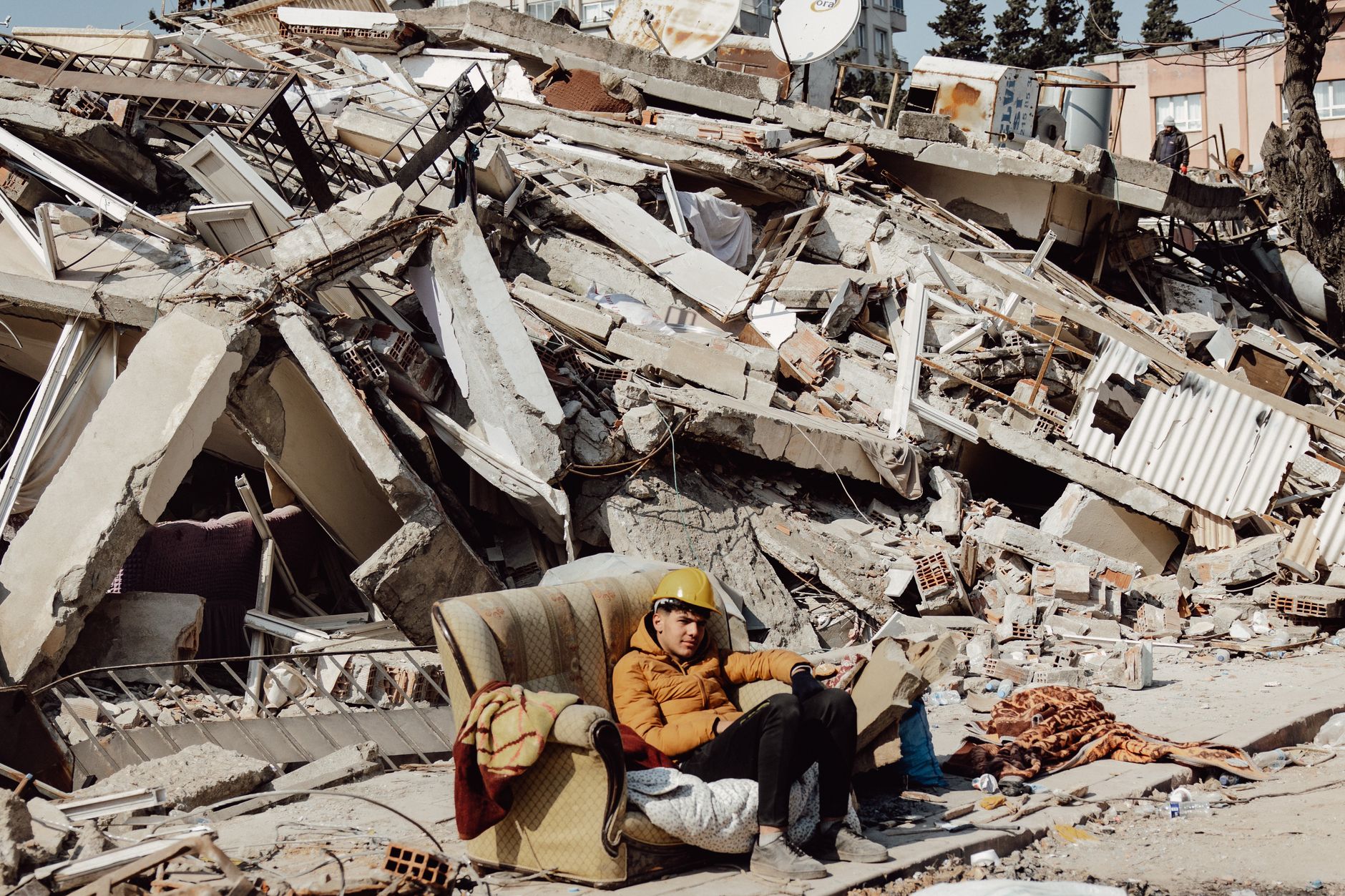
Secure heavy furniture, bookshelves, televisions and water heaters to walls using appropriate brackets and fasteners rated for seismic loads, then test that they are firmly fixed. Know exactly where your gas and water shut-offs are located and ensure all family members know how to operate them safely. Keep an emergency kit in an easily accessible place with water, a torch or headlamp, a first-aid kit, medications, glasses, a change of clothes, and copies of important documents. Agree a family meeting point outside your area and ensure all family members know the plan and have written instructions. Consider installing earthquake-resistant straps on tall furniture and securing mirrors, artwork and picture frames to walls. Identify safe spots in each room and practice earthquake drills regularly so responses become automatic.
During
Drop, Cover and Hold On immediately when shaking starts. Get under a sturdy table or desk, or brace yourself against an interior wall away from windows, then protect your head and neck with your hands and arms. Stay away from windows and heavy objects that could fall. If you are in bed, stay there and cover your head with a pillow. Do not run outside during the shaking — most injuries happen from falling objects, broken glass and debris, so staying covered is much safer. Hold on and stay in place until the shaking stops completely, as aftershocks can follow the initial quake and may be strong enough to cause additional damage.
After
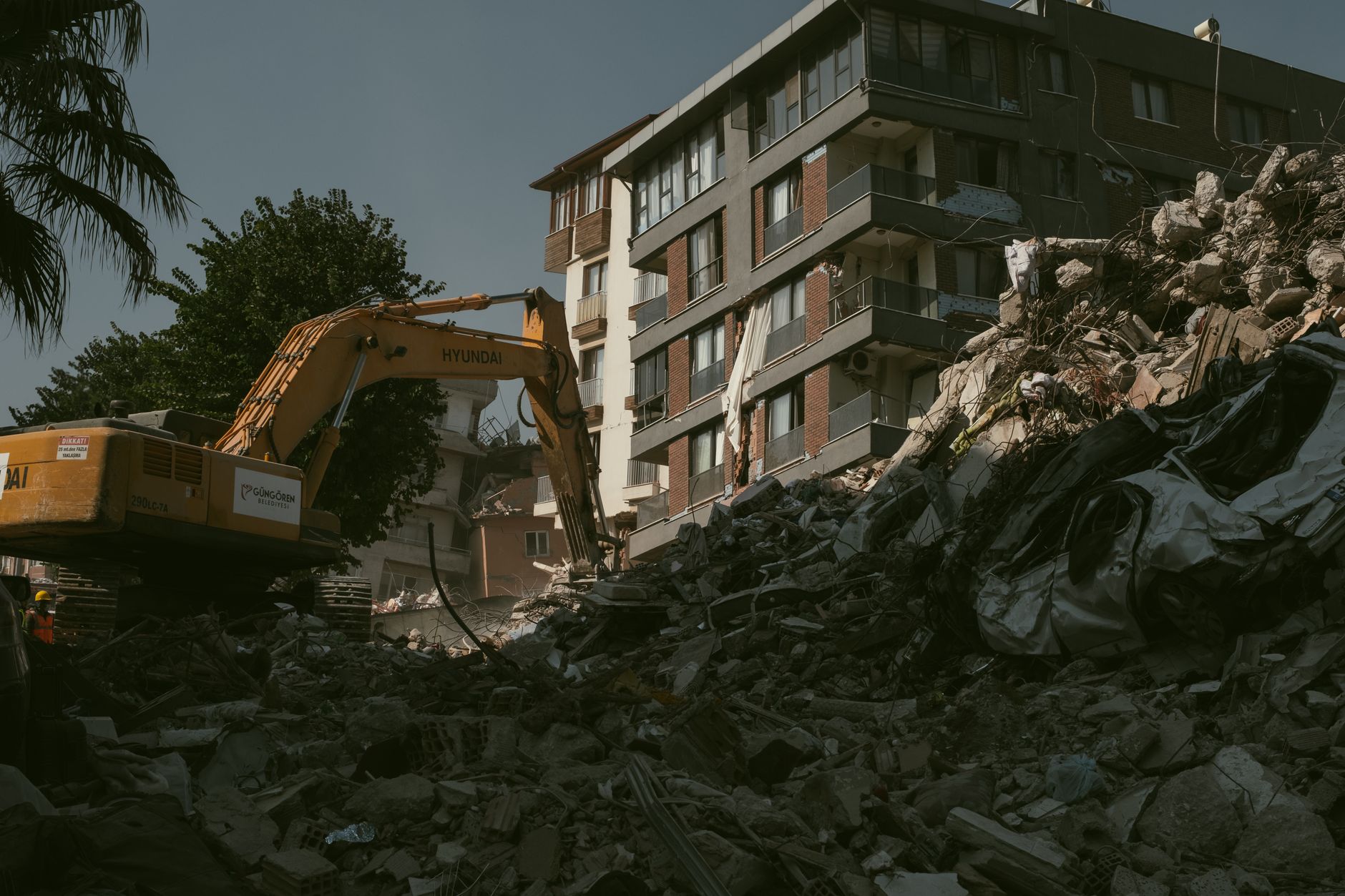
Expect aftershocks — sometimes stronger than the initial earthquake — and remain alert for several hours or days. Check yourself and others for injuries and provide first aid using your emergency kit. Turn off gas at the main valve if you smell a leak or hear a hissing sound; only turn it back on if instructed by emergency services. Stay out of damaged buildings until authorities declare them safe. Be very careful of broken glass, sharp debris and exposed nails. Use text messages rather than calls to keep phone networks free for emergency responders. Follow official instructions from local authorities and listen to emergency broadcasts for updates on aftershocks, injuries and damage.
At work and school
If you are in a building when an earthquake strikes, stay indoors and follow the same Drop, Cover and Hold On procedure immediately. Move away from windows, mirrors and tall shelving that could collapse. If you are outdoors in the open, stay outside in an open area away from buildings, power lines and trees. If you are in a car, pull over carefully to the side of the road and stay inside with your seatbelt fastened — do not exit the vehicle. If you are on a bridge or overpass, do not try to drive away as you may get stranded — stay in the vehicle and wait for help or instructions. Know your workplace and school's earthquake safety plan in advance and participate in regular earthquake drills to be prepared when a real event occurs.
Key earthquake safety facts
Earthquakes are unpredictable natural disasters and can strike without warning at any time of day or night. While we cannot prevent earthquakes, we can significantly prepare for them through education, training and planning. Most earthquake-related deaths and injuries are caused by falling objects, building collapse and fires, not by the ground movement itself — which is why proper response techniques save lives. Modern building codes in seismic-prone areas require earthquake-resistant construction with flexible materials and secure foundations. Always have an emergency kit ready with essentials for 72 hours, know your home's safest spots in each room and have a family communication plan in writing. Earthquake early-warning systems can provide crucial seconds to tens of seconds of advance warning in some earthquake-prone regions, allowing you to quickly take protective action and potentially save lives.