Measuring the deadliest quakes
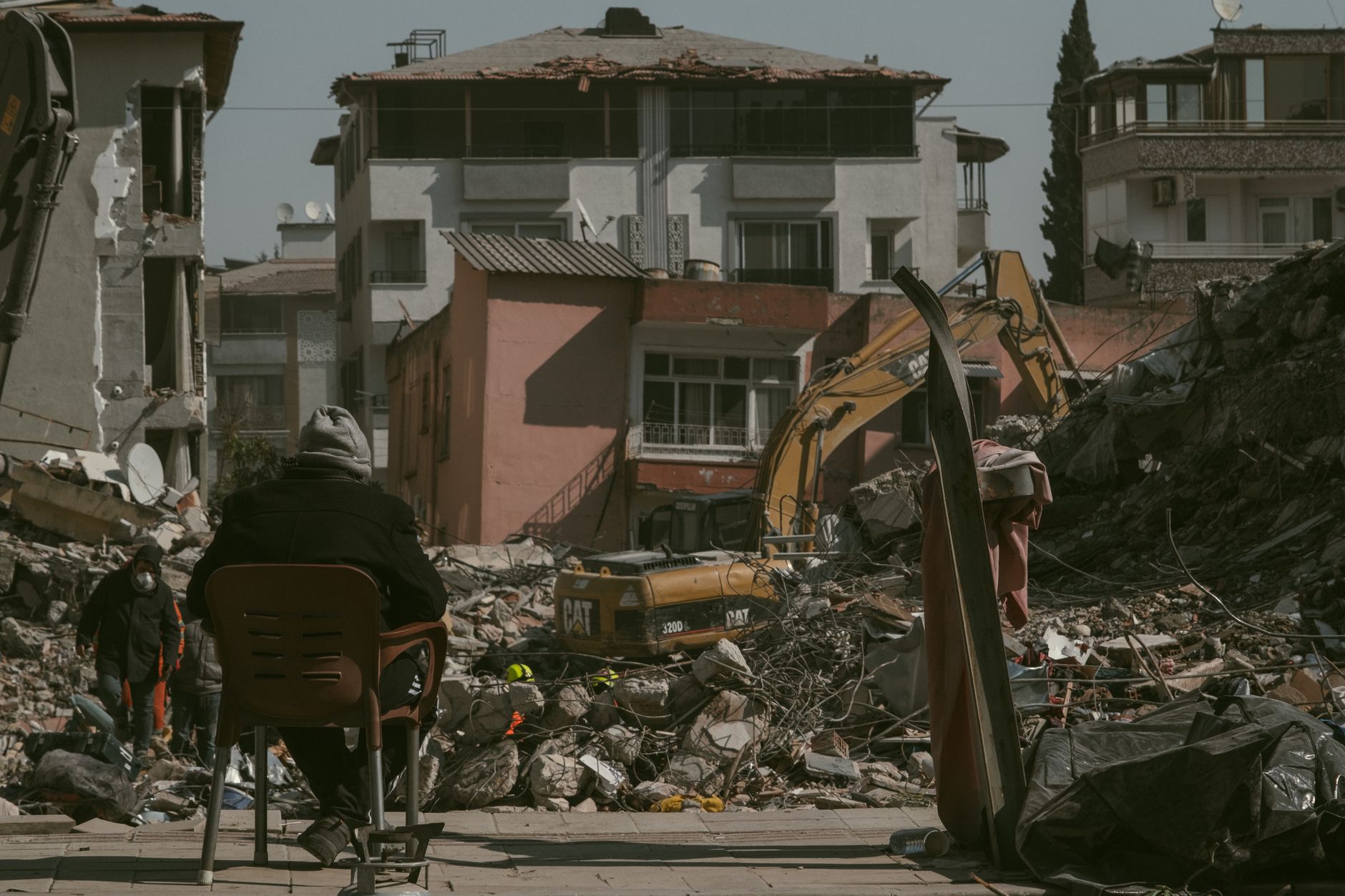
The deadliest earthquakes in history are not always the strongest ones. Death tolls depend far more on where a quake strikes, how many people live nearby, how buildings are constructed, and what secondary disasters follow, such as fires, landslides, and tsunamis. A moderate quake beneath a dense, poorly built city can kill far more people than a giant one in a remote area.
Historical death tolls are also uncertain, especially for events centuries ago, so the figures below are best estimates. What they share is a grim lesson: it is usually the collapse of human structures, not the shaking itself, that causes most deaths.
The ten deadliest earthquakes on record
| Earthquake | Year | Magnitude | Estimated deaths |
|---|---|---|---|
| Shaanxi, China | 1556 | ~8.0 | 830,000 |
| Tangshan, China | 1976 | 7.6 | ~242,000 |
| Indian Ocean (Sumatra) | 2004 | 9.1 | ~230,000 (tsunami) |
| Haiti | 2010 | 7.0 | 220,000–300,000 |
| Aleppo, Syria | 1138 | unknown | ~230,000 (disputed) |
| Haiyuan, China | 1920 | 7.8–8.3 | ~200,000–273,000 |
| Antioch, Byzantine Empire | 526 | unknown | ~250,000 (disputed) |
| Great Kanto, Japan | 1923 | 7.9 | ~105,000–142,000 |
| Ashgabat, Turkmenistan | 1948 | 7.3 | ~110,000 |
| Messina, Italy | 1908 | 7.1 | ~75,000–82,000 |
The 1556 Shaanxi earthquake
The deadliest earthquake ever recorded struck the Shaanxi province of China in January 1556, killing an estimated 830,000 people. Its magnitude is thought to have been around 8, powerful but not exceptional. What made it so lethal was the region's geology and housing.
Millions of people in the area lived in yaodong, cave dwellings carved into soft loess cliffs. When the earthquake struck, these hillsides collapsed and buried entire communities. The disaster is a stark example of how local building practices can multiply an earthquake's toll many times over.
Tangshan, 1976, and Haiti, 2010
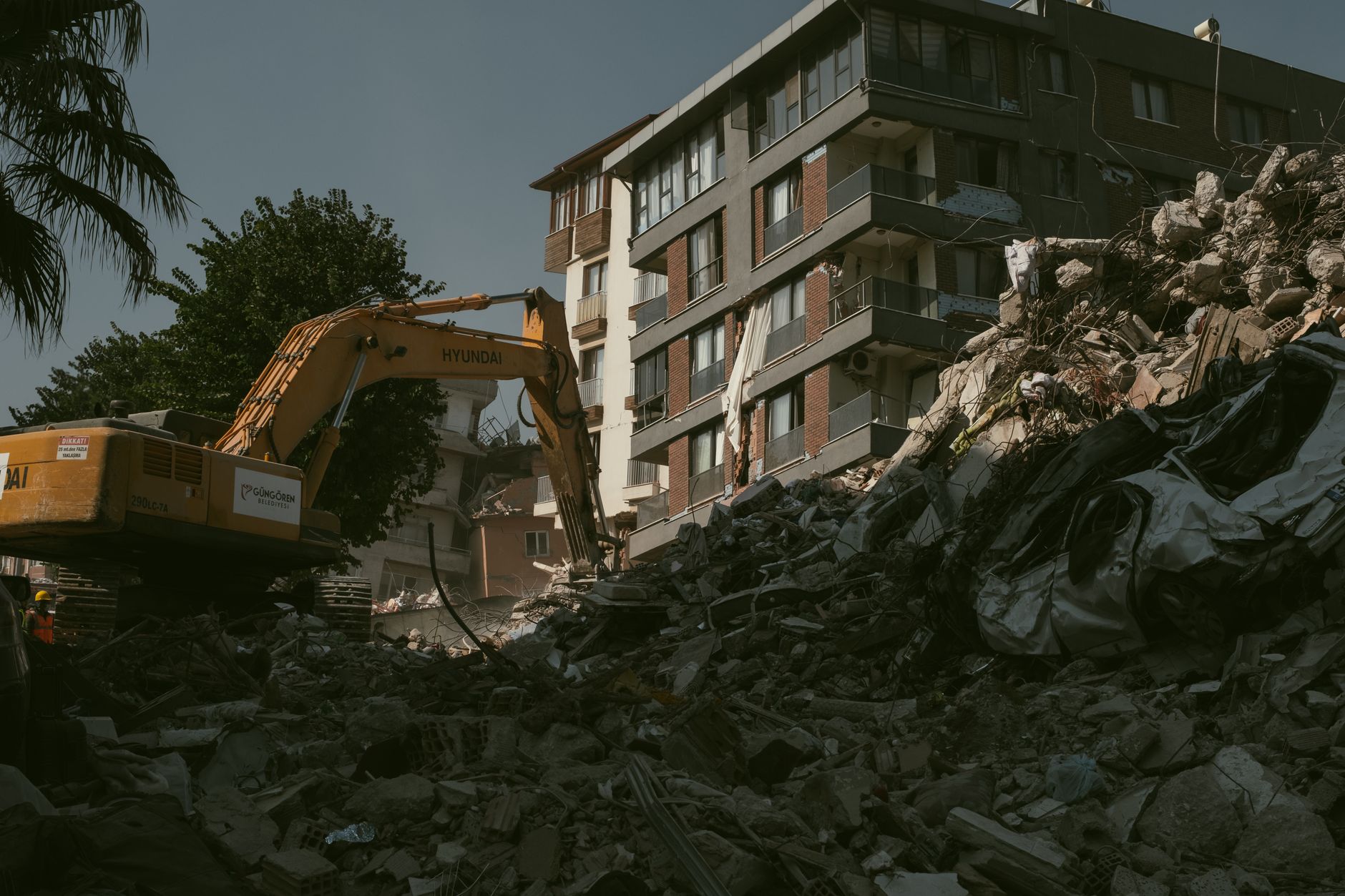
The 1976 Tangshan earthquake in China, magnitude 7.6, struck a densely populated industrial city in the middle of the night with almost no warning. Official figures record around 242,000 deaths, though some estimates run higher. Most of the city's unreinforced brick buildings collapsed, and it remains one of the deadliest quakes of the modern era.
The 2010 Haiti earthquake, magnitude 7.0, killed an estimated 220,000 to 300,000 people near the capital Port-au-Prince. Its devastation came from shallow depth, proximity to a large city, widespread poverty, and buildings with little or no seismic engineering. It showed how vulnerability, not just seismic energy, drives catastrophe.
Great quakes and their tsunamis
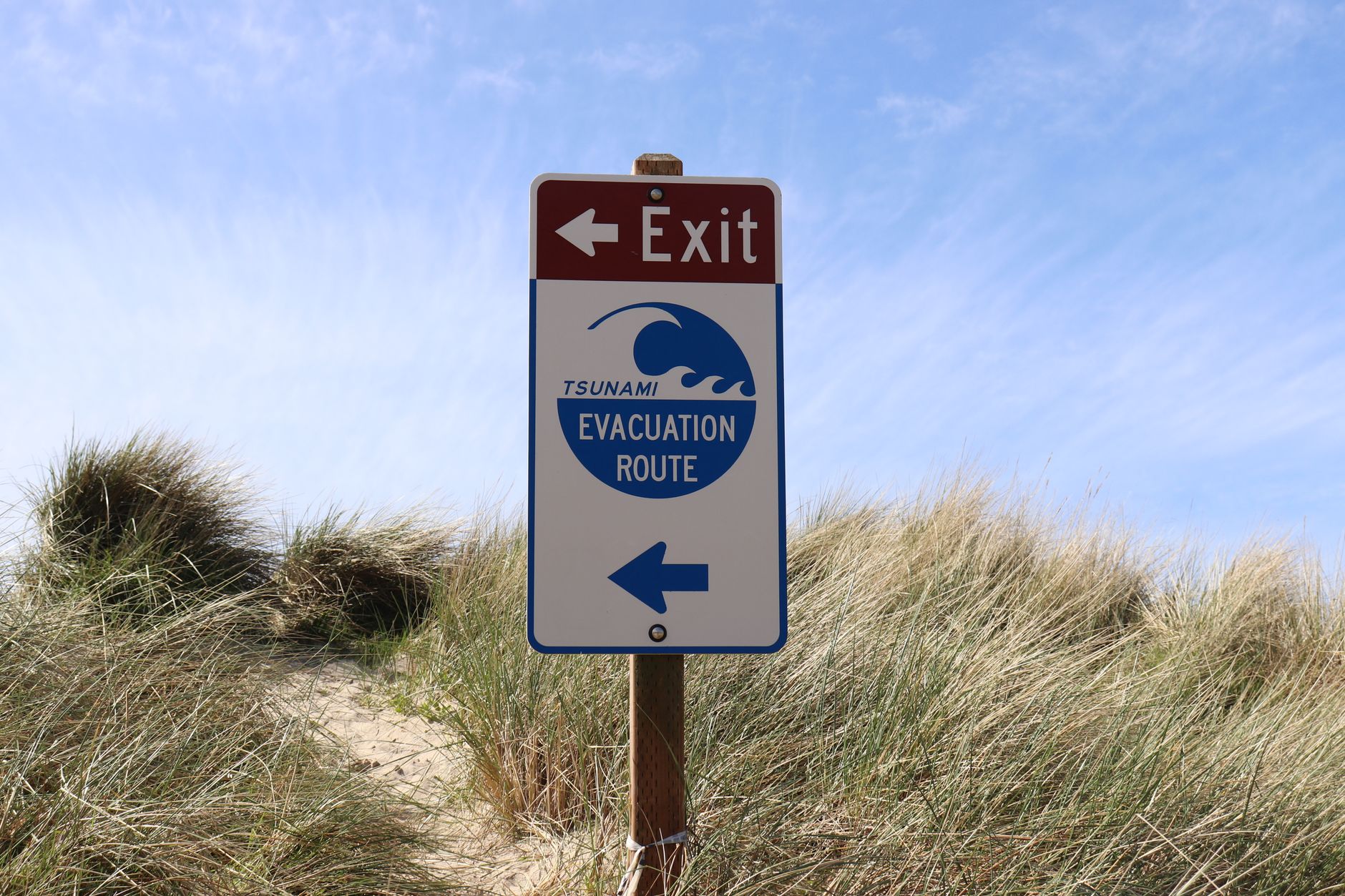
Some of the most lethal events combined shaking with tsunamis. The 2004 Indian Ocean earthquake, magnitude 9.1 off Sumatra, generated a tsunami that killed around 230,000 people across a dozen countries, most of them far from the epicenter. The 2011 Tohoku earthquake off Japan, magnitude 9.0, triggered a tsunami that killed roughly 18,000 and caused the Fukushima nuclear crisis.
These disasters reshaped global preparedness. They spurred the expansion of tsunami warning systems, stricter building standards, and better international coordination. The enduring lesson from history's deadliest earthquakes is that resilient construction, planning, and warning systems save far more lives than any attempt to predict the next event.
Frequently asked questions
What is the deadliest earthquake in recorded history?
The 1556 Shaanxi earthquake in China is the deadliest ever recorded, with an estimated 830,000 deaths. Despite a magnitude of only around 8, mass cave-dwelling collapses in soft loess cliffs made it the single most lethal seismic event in history.
Is the strongest earthquake always the deadliest?
No. The 1960 Chile earthquake was the strongest ever recorded at magnitude 9.5 but killed far fewer people than weaker quakes like Haiti 2010 (M7.0) or Tangshan 1976 (M7.6), because death tolls depend more on population density, building quality, and depth than on raw magnitude.
Why did the 2010 Haiti earthquake kill so many people?
The Haiti earthquake was shallow, struck close to the densely populated capital Port-au-Prince, and hit a country with widespread poverty and almost no seismic building codes. That combination of shallow depth, proximity, and vulnerable construction turned a moderate M7.0 quake into one of the deadliest disasters of the 21st century.
Which earthquakes caused the deadliest tsunamis?
The 2004 Indian Ocean earthquake (M9.1) triggered a tsunami that killed around 230,000 people across a dozen countries, the deadliest tsunami in modern history. The 2011 Tohoku earthquake (M9.0) off Japan caused a tsunami that killed roughly 18,000 and led to the Fukushima nuclear crisis.
What usually kills people in an earthquake: the shaking or something else?
Most earthquake deaths come from the collapse of buildings, not the ground motion itself. Secondary effects like tsunamis, landslides, and fires also account for a large share of historical death tolls, which is why building codes and early-warning systems save more lives than predicting the quake itself.