Home › Earthquake Mexico City, Mexico
Mexico City 1985 Earthquake — M8.0, Up to 40,000 Dead (Sep 19)
M 8.0Magnitude
19 Sep 1985Date
~10,000–40,000Deaths
| Field | Data |
|---|
| Moment magnitude | 8.0 (cited in Mexico as 8.1) |
| Date & time | 19 Sep 1985, 13:17:47 UTC (7:17 a.m. local) |
| Depth | ~28 km |
| Epicentre | Michoacán coast, ~350 km from Mexico City |
| Fault | Cocos Plate subducting under North American Plate |
| Major aftershocks | M7.5 (20 Sep 1985), M7.0 (30 Apr 1986) |
| Deaths | ~5,000 official; independent estimates up to 40,000 |
| Buildings destroyed | Hundreds collapsed, thousands damaged |
| Key cause of damage | Site amplification in former lake-bed sediments |
| Legacy | SASMEX early-warning system, annual 19 Sep drill |
| Source | USGS, SSN Mexico |
Advertisement
The magnitude 8.0 earthquake of 19 September 1985 devastated Mexico City, even though its epicentre lay some 350 km away on the Pacific coast. Estimates of the dead range from about 10,000 to 40,000, with thousands of buildings collapsed.
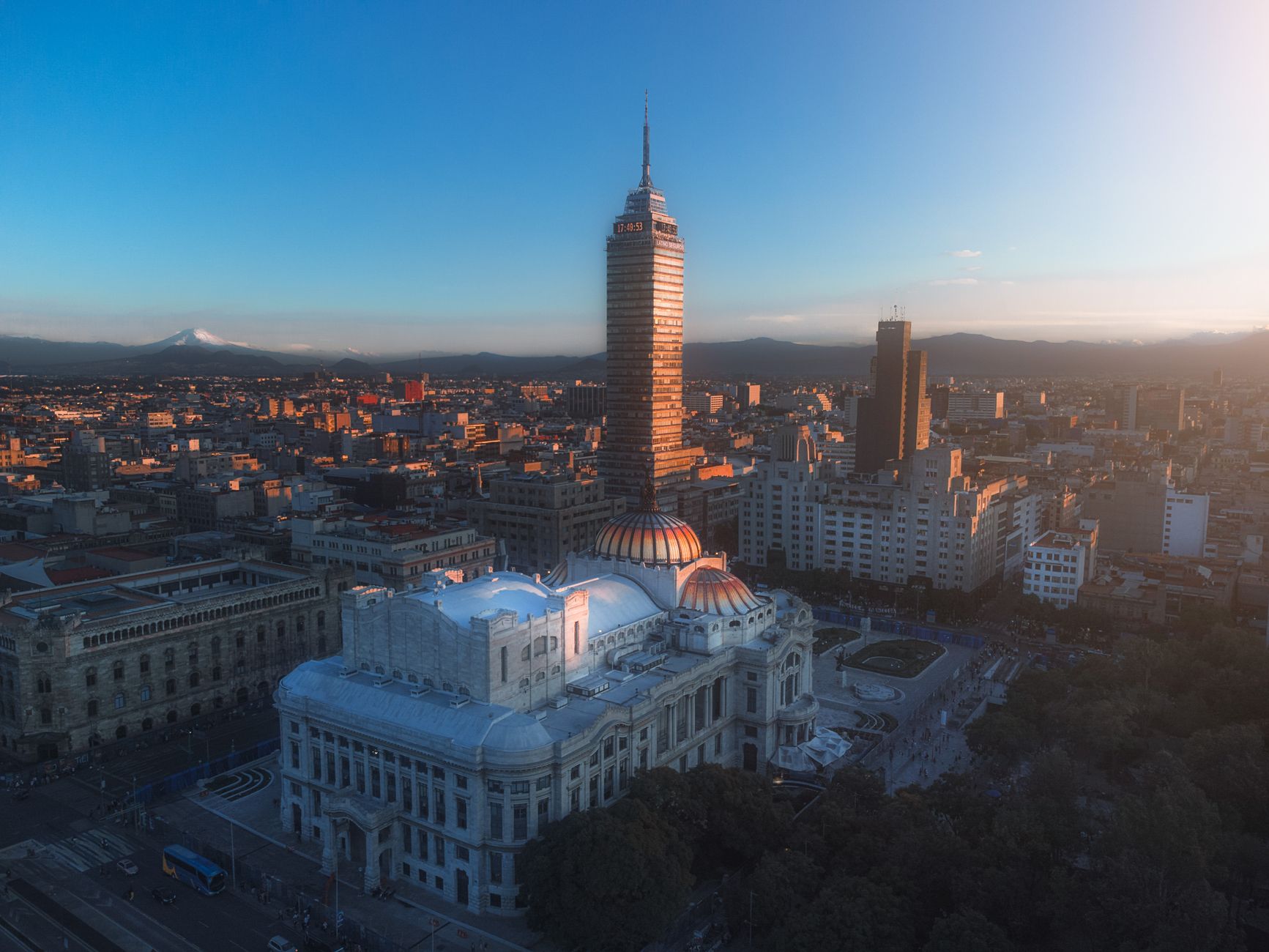
The disaster was amplified by the soft former lake-bed sediments under the city, which trapped and magnified the seismic waves — a phenomenon known as site amplification. Buildings of a certain height resonated with the shaking and failed catastrophically.
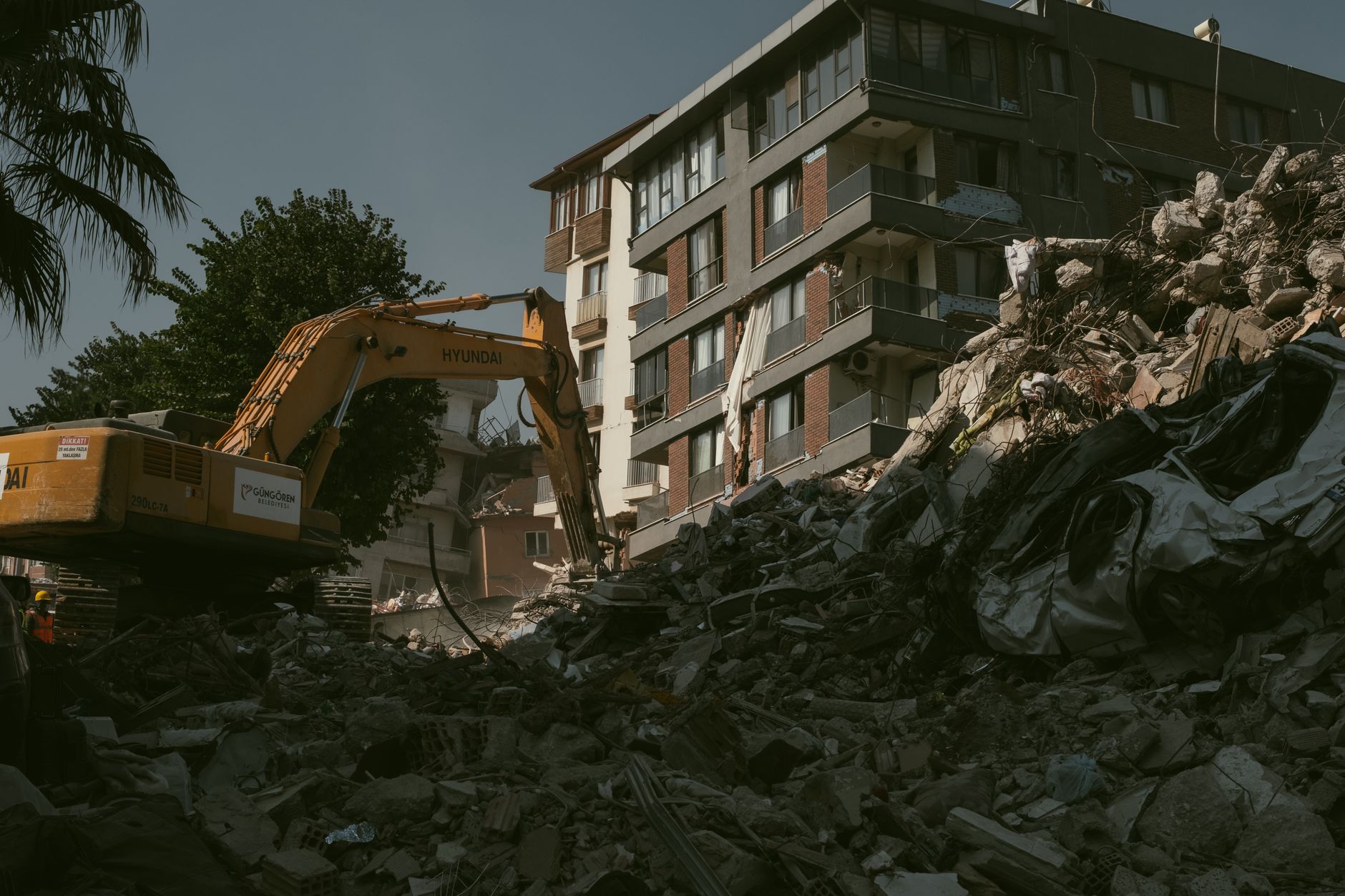
The date became a turning point for Mexico: the country built one of the world's most advanced earthquake early-warning systems (SASMEX) and now holds a national earthquake drill every 19 September. Eerily, a second major quake struck on the very same date in 2017, deepening the day's place in the national memory.

USGS records the mainshock at 13:17:47 UTC off the coast of Michoacán, with a hypocentral depth of about 28 km and a moment magnitude of 8.0 (commonly cited in Mexico as 8.1). It was followed by a major M7.5 aftershock the very next day, 20 September 1985, which triggered fresh collapses among buildings already weakened by the mainshock, and a further M7.0 aftershock on 30 April 1986. The Mexican government's official death toll was around 5,000, though independent estimates citing uncounted casualties in poorer neighbourhoods run several times higher — one of the widest official-versus-independent gaps of any 20th-century urban earthquake.
Frequently asked questions
Why did Mexico City suffer so much damage from an earthquake 350 km away?
The city sits on the soft, water-saturated sediments of the former Lake Texcoco lake bed, which trap and amplify certain seismic wave frequencies — a phenomenon called site amplification. Buildings of 6-15 storeys resonated with those amplified waves and collapsed even though the shaking was far weaker at the actual epicentre.
How many people died in the 1985 Mexico City earthquake?
The Mexican government's official toll was around 5,000, but independent estimates — citing uncounted deaths in poorer, densely populated neighbourhoods — range as high as 10,000 to 40,000.
What magnitude was the 1985 Mexico earthquake?
USGS calculates a moment magnitude of 8.0, though it is commonly cited within Mexico as 8.1. It ranks among the strongest earthquakes ever to hit the country.
Were there aftershocks after the 1985 Mexico City earthquake?
Yes — a major M7.5 aftershock struck the next day, 20 September 1985, collapsing buildings already weakened by the mainshock, and a further M7.0 aftershock followed on 30 April 1986.
What is SASMEX and how does it relate to the 1985 earthquake?
SASMEX is Mexico's Seismic Alert System, built directly in response to the 1985 disaster. It detects strong quakes near the Pacific coast and can give Mexico City up to roughly a minute's warning before shaking arrives, thanks to the same 350 km distance that made the 1985 quake so damaging.
Why does Mexico do an earthquake drill every 19 September?
The date honours the 1985 disaster. Mexico holds a mandatory national earthquake drill (simulacro) every 19 September, a tradition made more poignant after a second major earthquake struck on the exact same date in 2017.
How deep was the 1985 Mexico City earthquake?
USGS places the hypocentre at about 28 km deep, offshore of Michoacán — a typical depth for a subduction-zone earthquake on the Cocos-North American plate boundary.
Advertisement
See the biggest earthquakes →