At 3:42 a.m. local time on 28 July 1976, a magnitude 7.6 earthquake struck directly beneath Tangshan, an industrial city of about one million people in north-eastern China, while almost the entire population was asleep. Its epicentre sat right under the city at a shallow depth of roughly 11 km, giving residents essentially no warning.

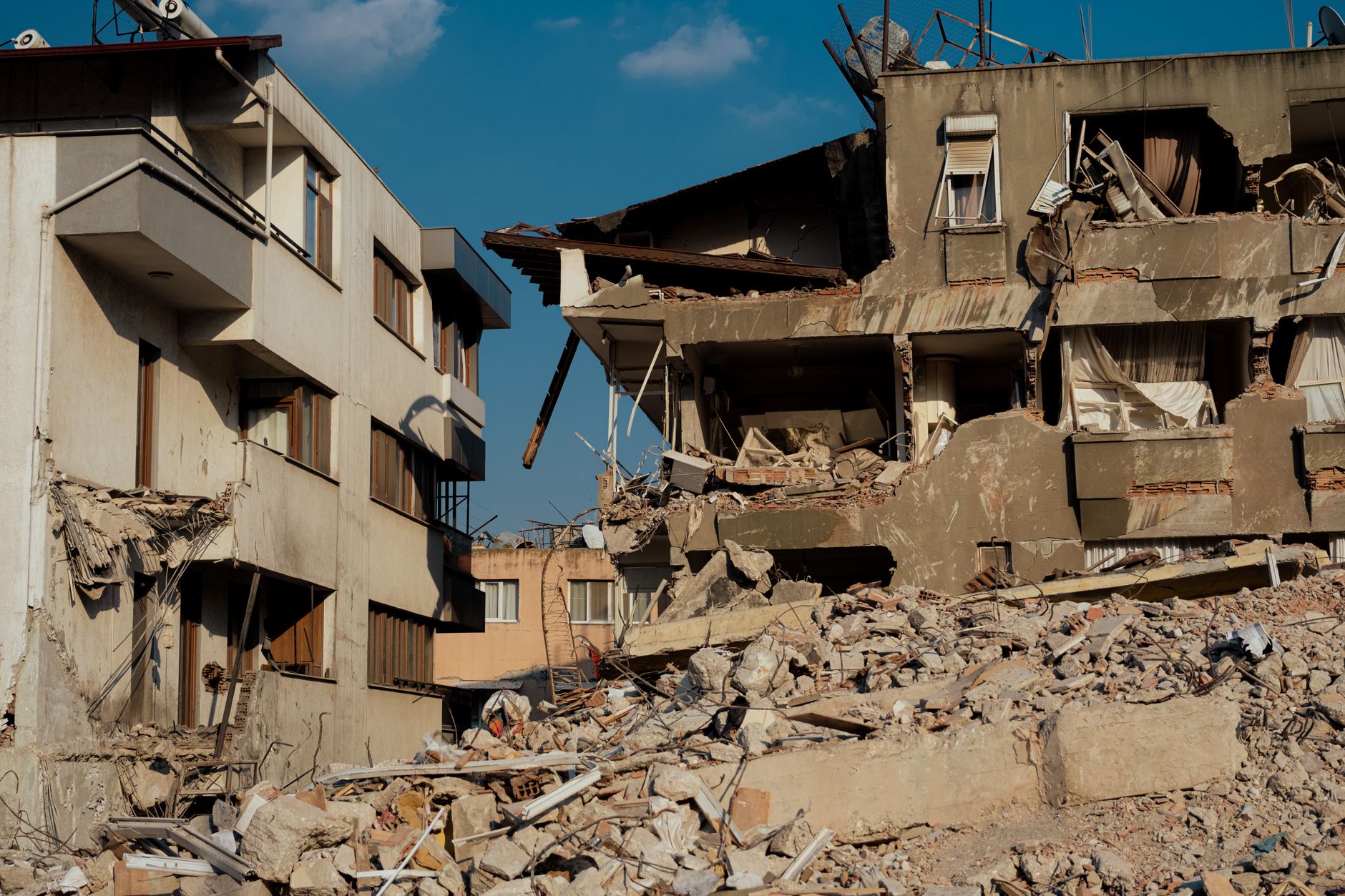
The shaking destroyed about 85% of Tangshan's buildings within seconds. China's government put the official death toll at 242,000 to 242,769, though many historians and later Chinese sources believe the real figure was far higher, with some estimates reaching 655,000 — which would make it the deadliest earthquake ever recorded.
The disaster struck during a politically fraught moment: Chairman Mao Zedong died just weeks later, and for years afterward the scale of the tragedy was downplayed and international aid was refused, leaving much of the true toll undocumented for a generation.
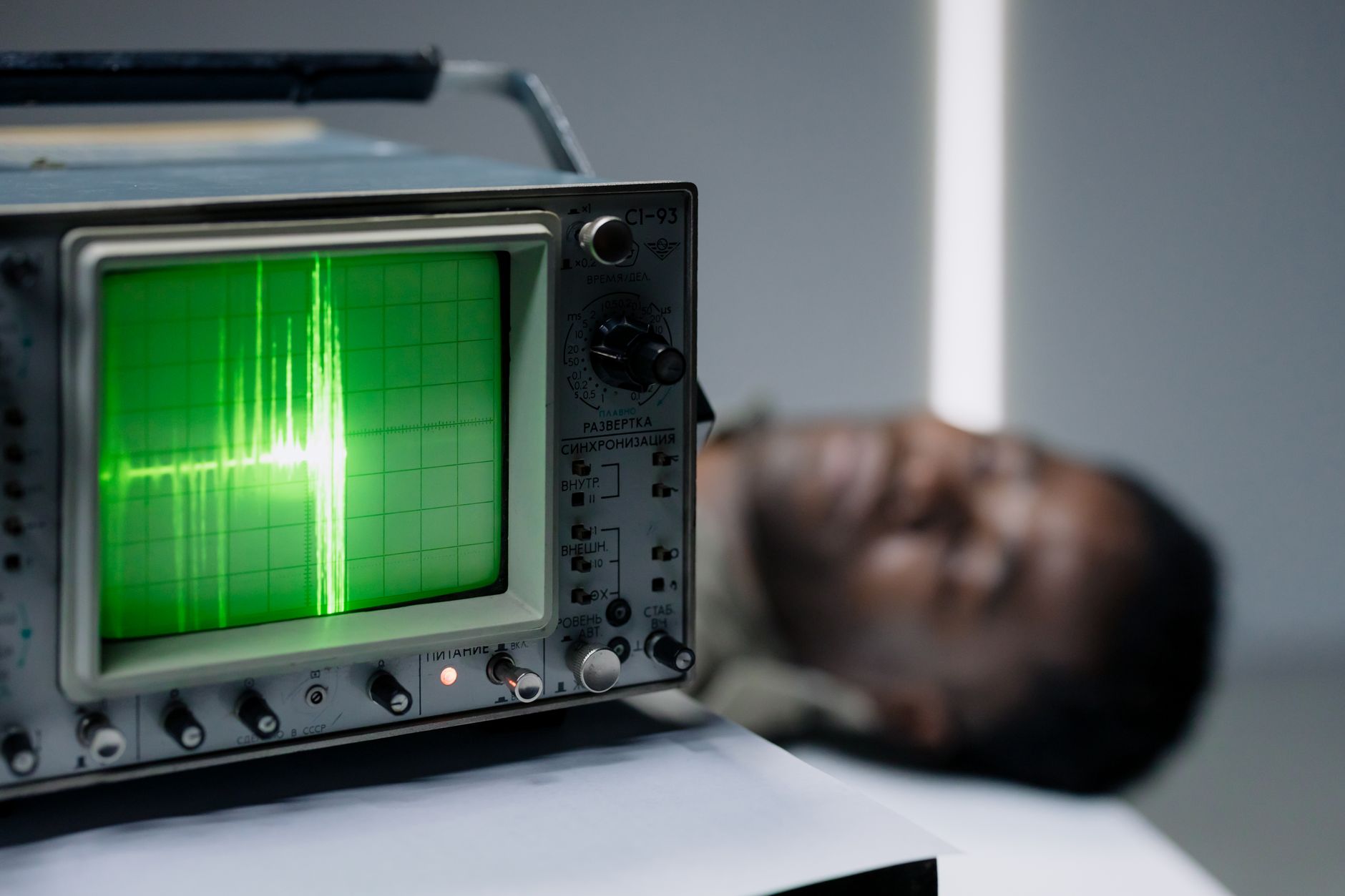
Tangshan was rebuilt from the ground up and now hosts an earthquake memorial and museum. The disaster became the central case study behind China's modern seismic building codes and its investment in the national earthquake monitoring network that followed.