On 31 January 1906 a magnitude 8.8 earthquake ruptured offshore near Esmeraldas, Ecuador, along the boundary where the Nazca and related plates subduct beneath the North Andes — one of the largest earthquakes of the 20th century and still among the ten biggest ever recorded.
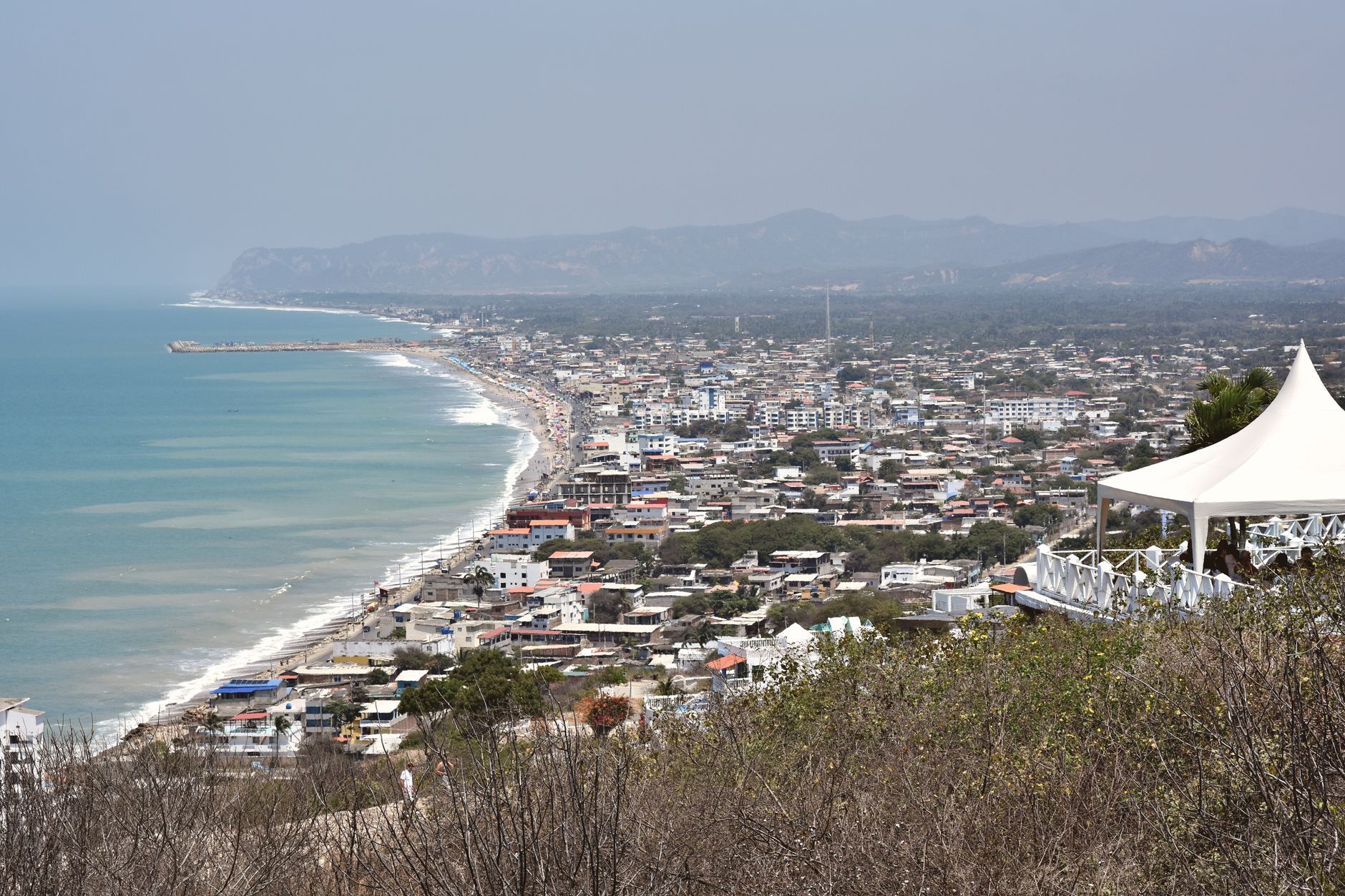
The rupture generated a tsunami with run-up heights of up to 5 metres at Tumaco, on Colombia's Pacific coast, devastating the shoreline between Río Verde in Ecuador and Micay in Colombia. Estimates of the dead range from about 500 to 1,500, almost all from the tsunami rather than the shaking itself.
Tide gauges as far away as San Francisco, Hawaii and Japan recorded the wave, making it one of the first earthquakes whose tsunami was measured and studied across the entire Pacific basin — an early milestone for the science that later became modern tsunami warning.
The fault segment that broke in 1906 lies along the same subduction margin that has since produced several other major Ecuadorian earthquakes, including the 2016 Muisne quake, and remains closely monitored as a source of future tsunami hazard for the region.