Home › Earthquake Port-au-Prince, Haiti
2010 Haiti Earthquake (M7.0) — One of the Deadliest in History
M 7.0Magnitude
12 Jan 2010Date
~100,000–316,000Deaths
Advertisement
The magnitude 7.0 earthquake that struck Haiti on 12 January 2010, just 25 km from the capital Port-au-Prince, is among the deadliest in recorded history. Official estimates of the dead range from around 100,000 to over 300,000.
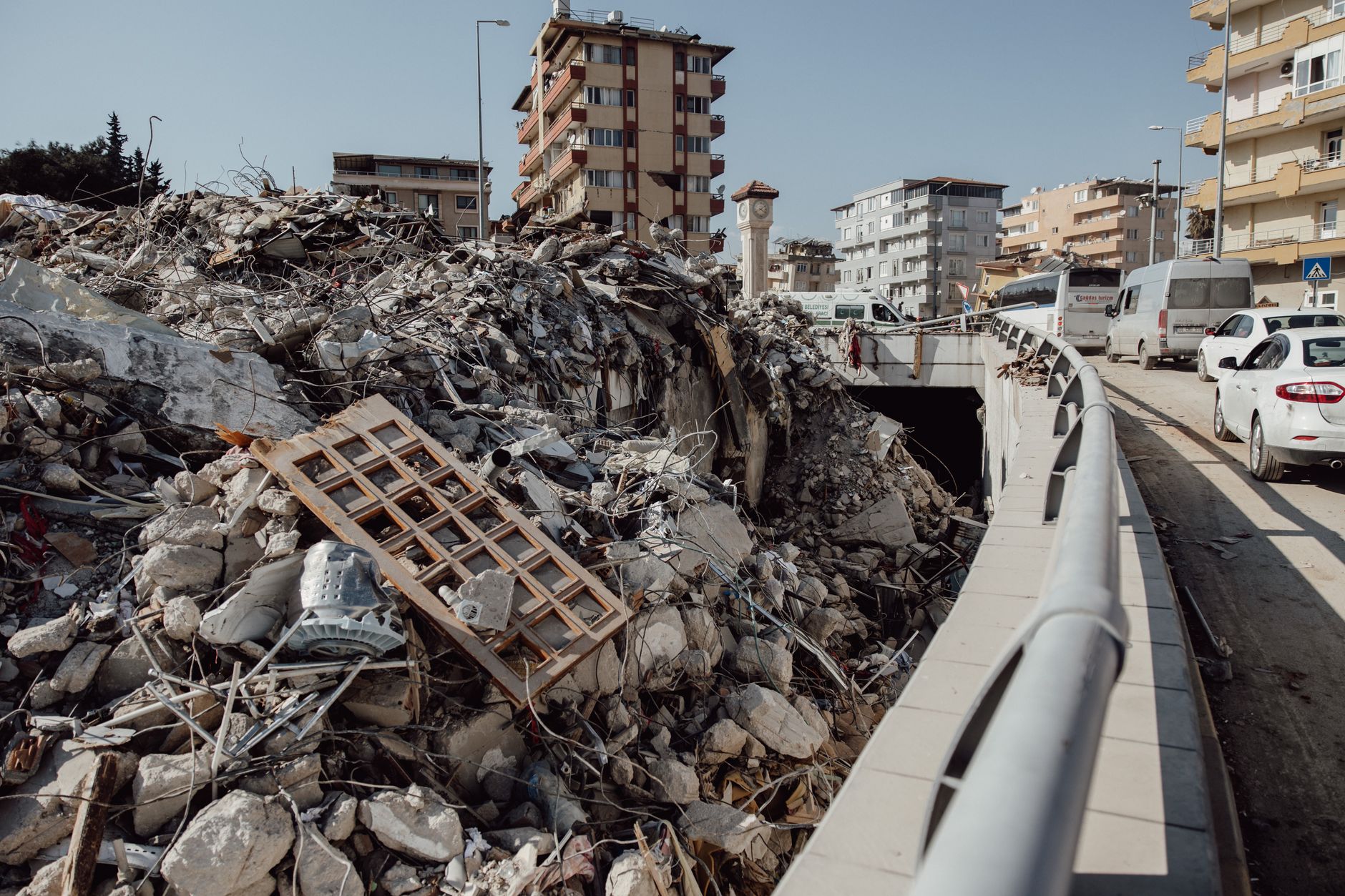
The devastation was driven less by magnitude than by extreme vulnerability: dense, poorly built housing, a shallow epicentre next to a capital city, and almost no seismic building standards. Hospitals, government buildings and the presidential palace collapsed.
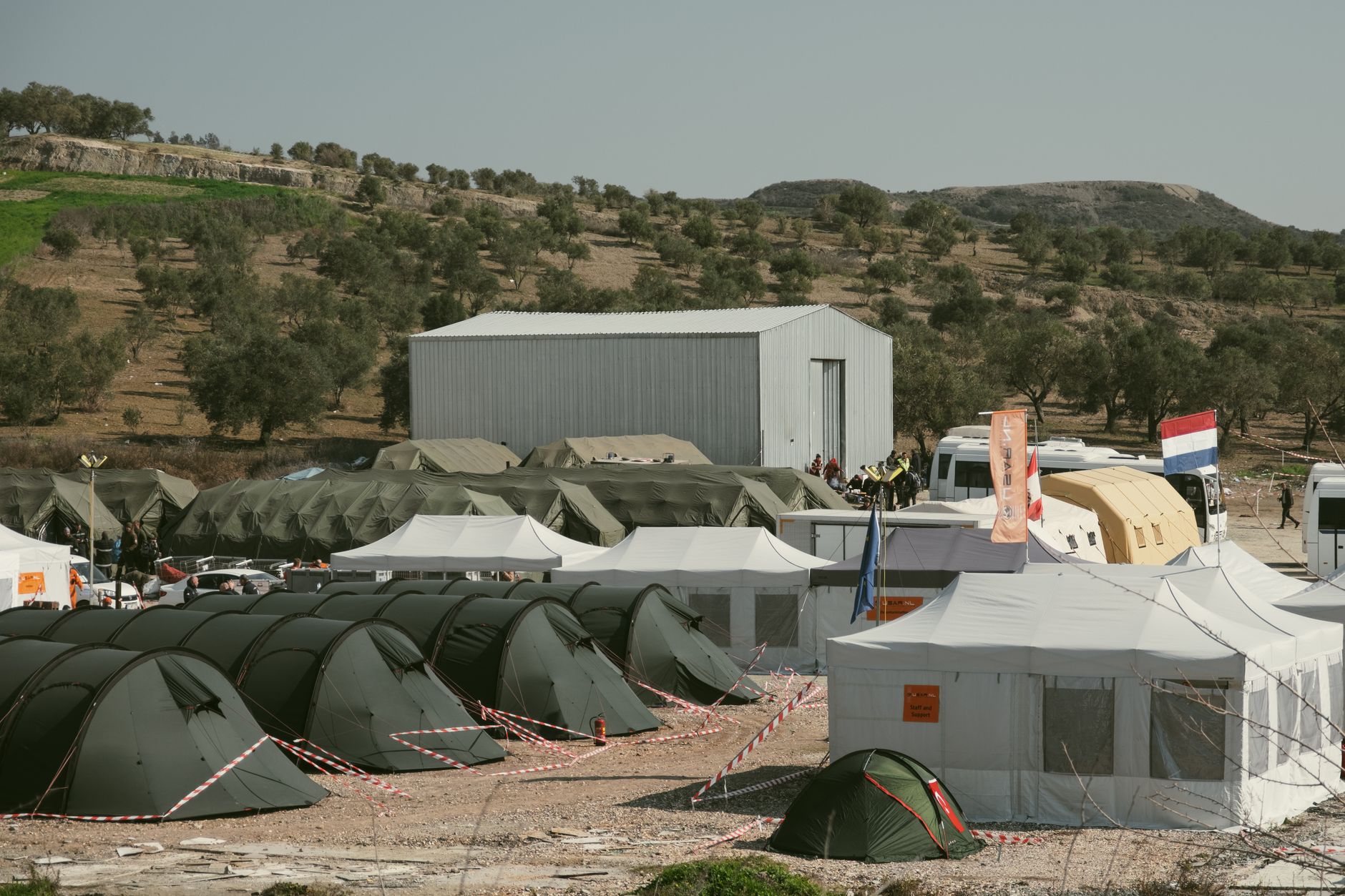
Haiti became the textbook case of how poverty and construction quality turn a moderate-to-strong quake into a mega-disaster. The reconstruction lasted more than a decade and reshaped international discussions about disaster preparedness in developing countries.
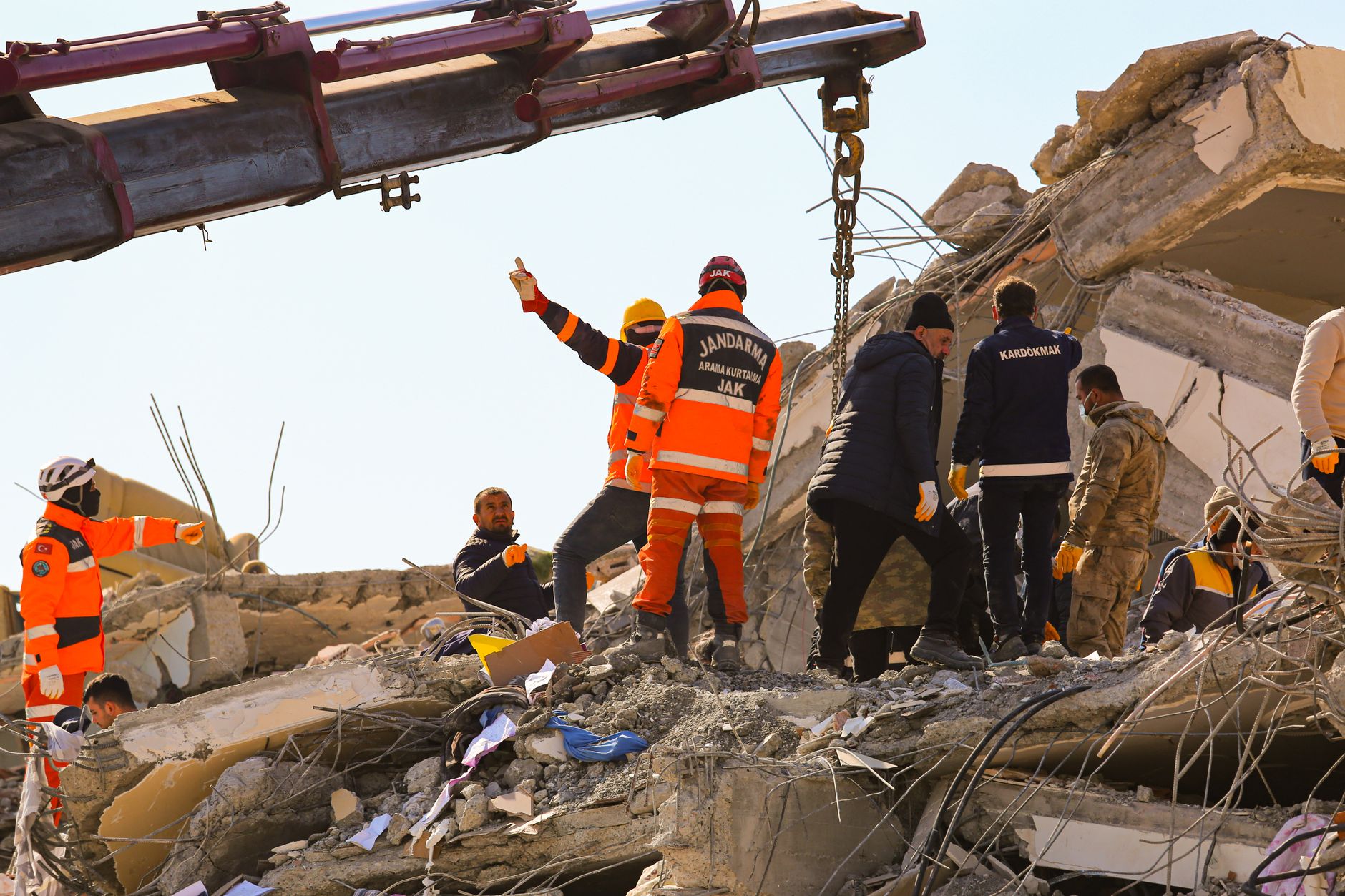
NOAA's National Centers for Environmental Information (NCEI) lists the Haiti quake in its Significant Earthquake Database with an intensity rating of X (Extreme) on the Modified Mercalli scale near the epicentre — among the highest shaking intensities NCEI records for any event this century. NCEI also logs a runup tsunami of roughly 3 metres at Petit Paradis on Haiti's southern coast, generated by an underwater landslide rather than direct fault displacement. USGS aftershock catalogues recorded more than 50 quakes of magnitude 4.5 or greater in the following weeks, hampering rescue and rebuilding efforts.
Frequently asked questions
Why did the Haiti earthquake kill so many people for only a magnitude 7.0?
The epicentre was just 25 km from Port-au-Prince, a dense capital of roughly 2.3 million people with almost no seismic building codes, so shallow shaking hit poorly reinforced concrete structures directly. Vulnerability, not magnitude, drove the death toll.
How many people died in the 2010 Haiti earthquake?
Estimates range widely from about 100,000 to over 300,000, depending on the source; the Haitian government's official figure was around 316,000, while independent academic reviews suggest a lower range near 100,000–160,000.
What fault caused the Haiti earthquake?
The quake ruptured a segment of the Enriquillo–Plantain Garden fault system, a major strike-slip boundary running through southern Haiti that had not produced a large earthquake in over 200 years before 2010.
Was there a tsunami after the Haiti earthquake?
Yes, a localized tsunami up to about 3 metres struck Petit Paradis on Haiti's southern coast, caused by an underwater landslide rather than direct fault motion — smaller in scale than ocean-wide tsunamis like Sumatra 2004.
How deep was the Haiti earthquake?
The hypocentre was unusually shallow, around 13 km deep, which concentrated the shaking's energy near the surface and made it far more destructive than a deeper quake of the same magnitude.
Did Haiti have earthquake building codes in 2010?
No functioning seismic building code was enforced at the time. Most structures, including hospitals and the presidential palace, were unreinforced concrete or masonry built without engineering oversight, which is why collapse rates were so extreme.
How long did the reconstruction after the Haiti earthquake take?
Rebuilding took well over a decade. Cholera outbreaks, funding shortfalls and weak governance repeatedly slowed reconstruction, and parts of Port-au-Prince's housing stock remained unrepaired for years afterward.
Has Haiti had another major earthquake since 2010?
Yes — a magnitude 7.2 earthquake struck Haiti's southern peninsula in August 2021, killing over 2,200 people, showing the same Enriquillo–Plantain Garden fault system remains a major ongoing hazard.
Advertisement
See the biggest earthquakes →
See also