On 27 March 1964, a magnitude 9.2 megathrust earthquake struck Prince William Sound in south-central Alaska. It remains the most powerful earthquake ever recorded in North America and the second most powerful ever measured anywhere, surpassed only by the 1960 Chile earthquake. The ground shook for around four and a half minutes, an exceptionally long duration.
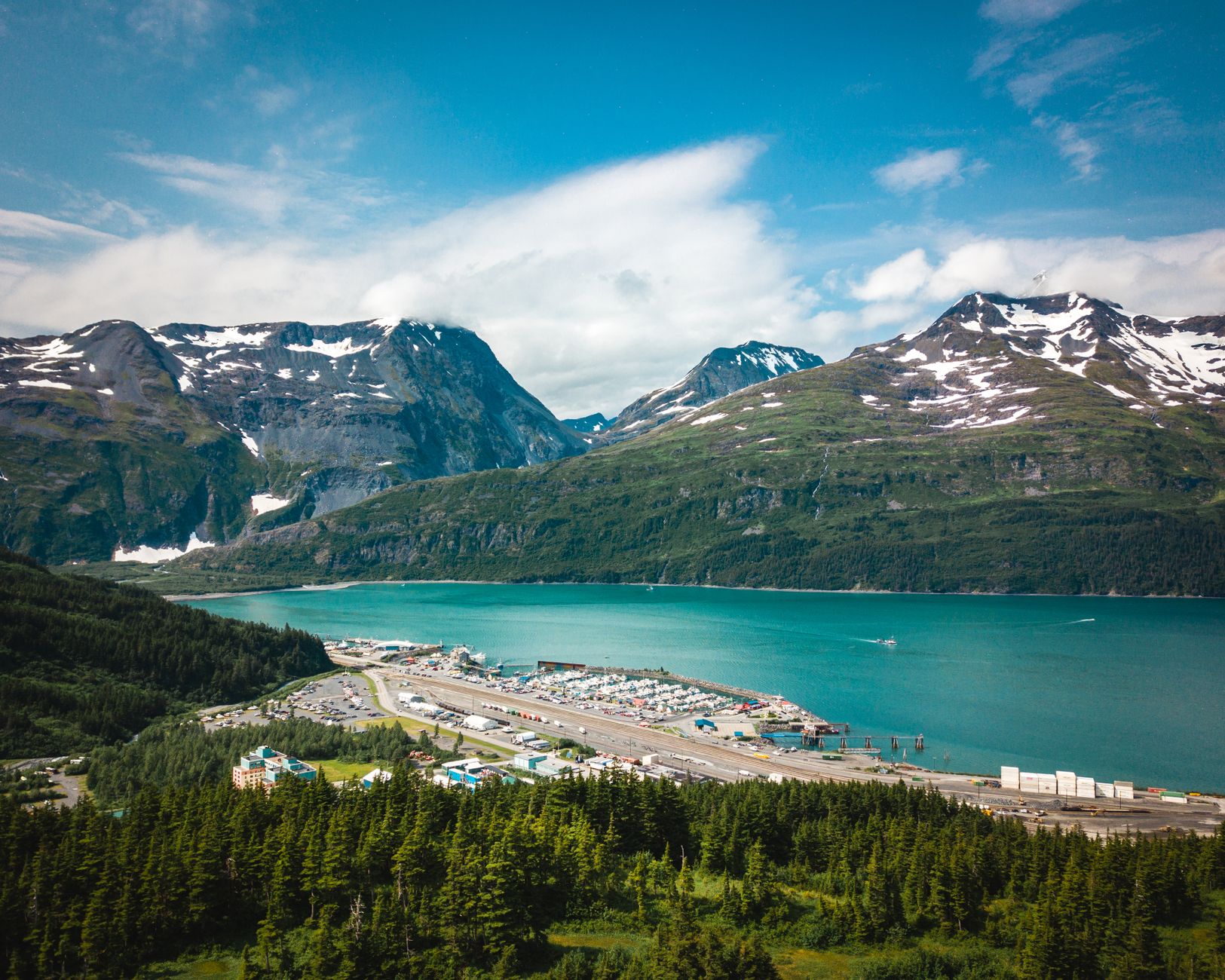
The quake reshaped the landscape on a vast scale, raising and lowering large areas of ground by several metres and triggering numerous landslides. Much of the destruction in Anchorage came from ground failure and slumping soil rather than the shaking alone. Neighbourhoods built on unstable clay slid apart as the ground gave way.
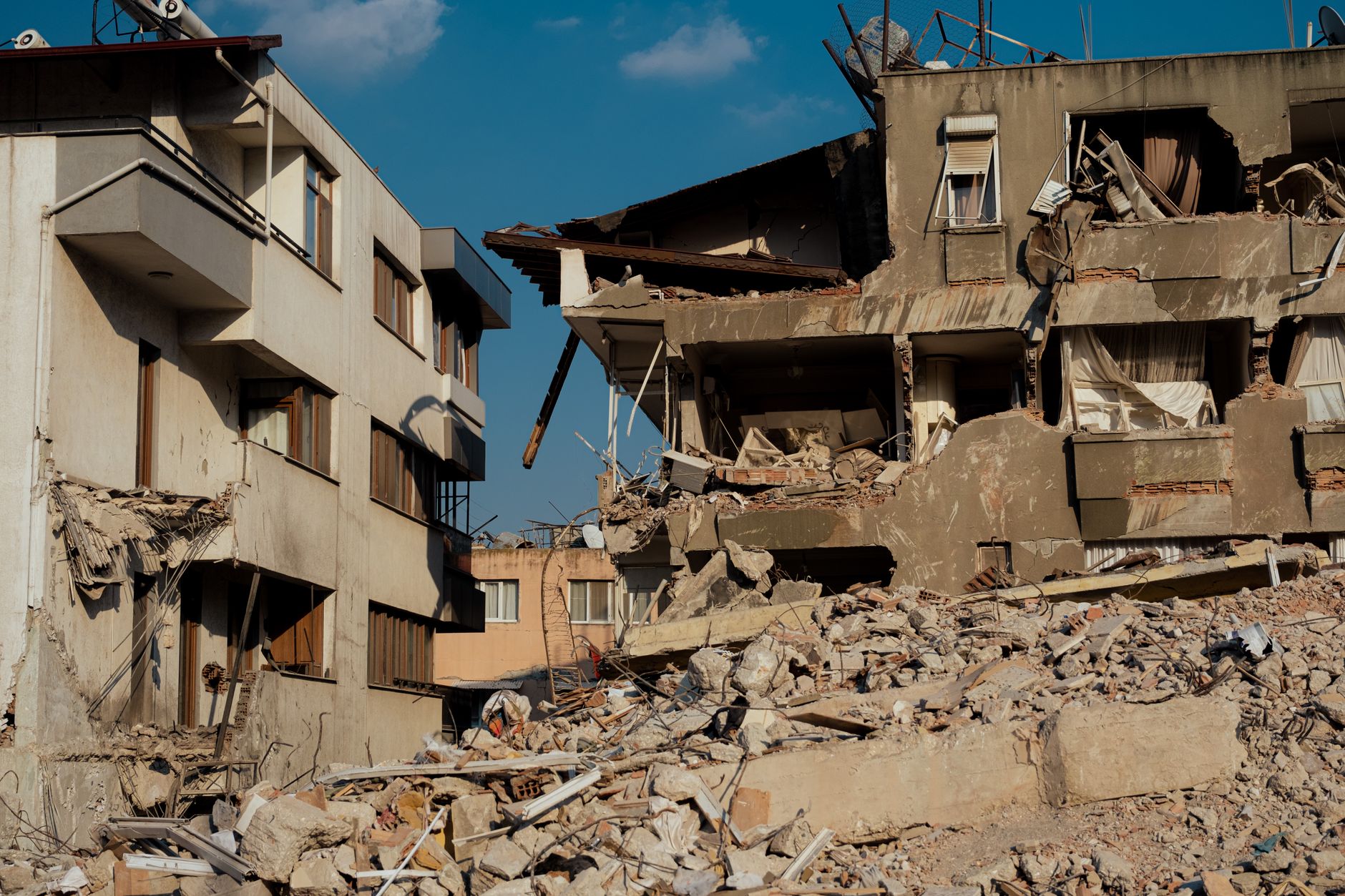
The earthquake generated tsunamis and local waves that accounted for most of the roughly 131 deaths, striking coastal Alaska and reaching as far as California. Because it occurred on Good Friday in a sparsely populated region, the death toll was lower than the immense energy released might suggest. The event became a landmark in the study of plate tectonics and the subduction process.