On 11 March 2011, a magnitude 9.1 megathrust earthquake struck off the Pacific coast of the Tōhoku region of northeastern Japan. It was the most powerful earthquake ever recorded in Japan and one of the five strongest ever measured worldwide. The rupture, along the boundary where the Pacific Plate subducts beneath the plate carrying Honshu, lasted several minutes and shifted the coastline eastward by metres.
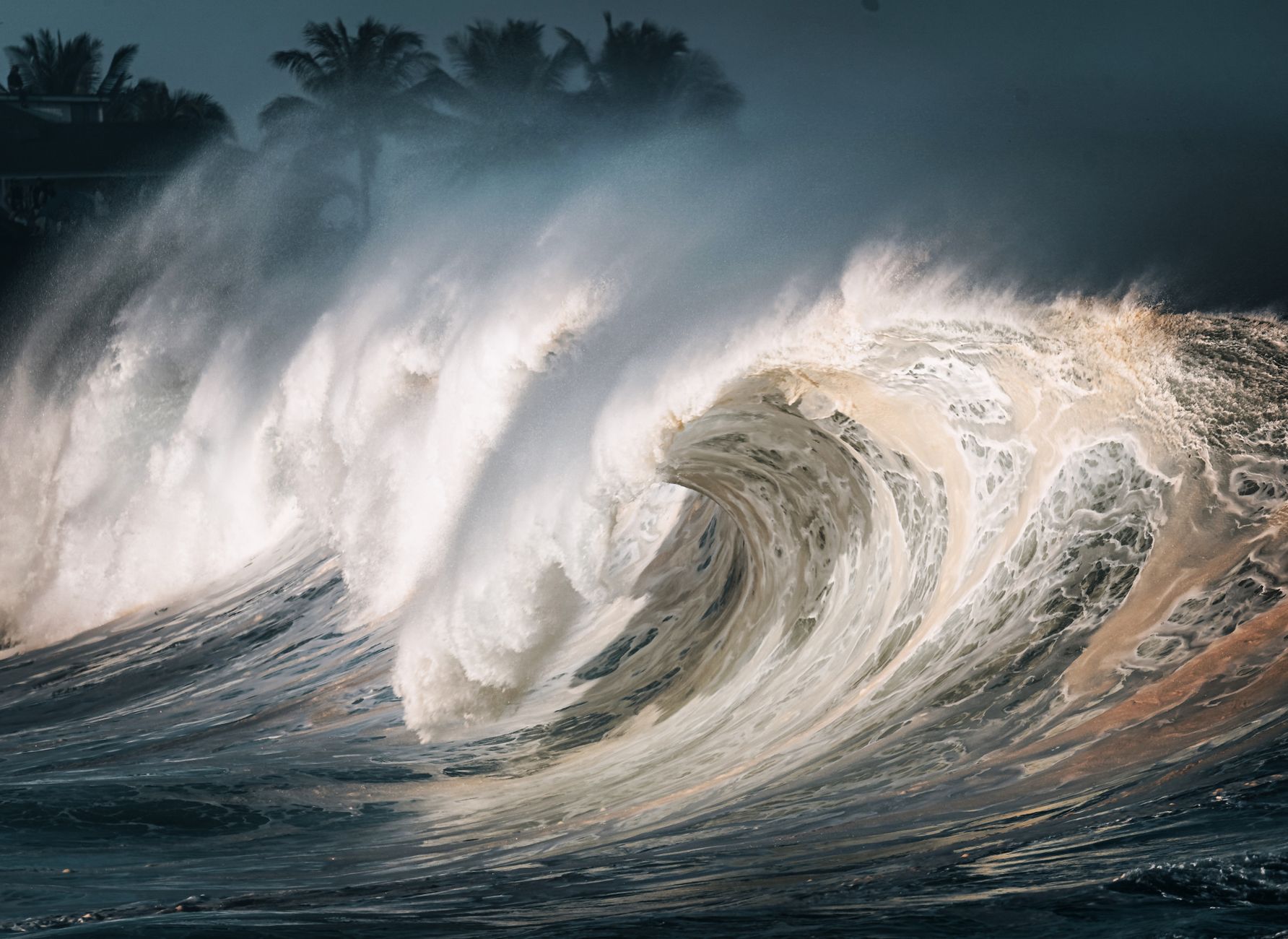
The earthquake generated a devastating tsunami with waves that reached heights of up to about 40 metres in some inlets and surged several kilometres inland across the low-lying Sendai plain. The vast majority of the roughly 18,000 to 19,500 deaths and missing were caused by the tsunami rather than by the shaking itself. Entire towns along the coast were swept away within minutes of the waves arriving.
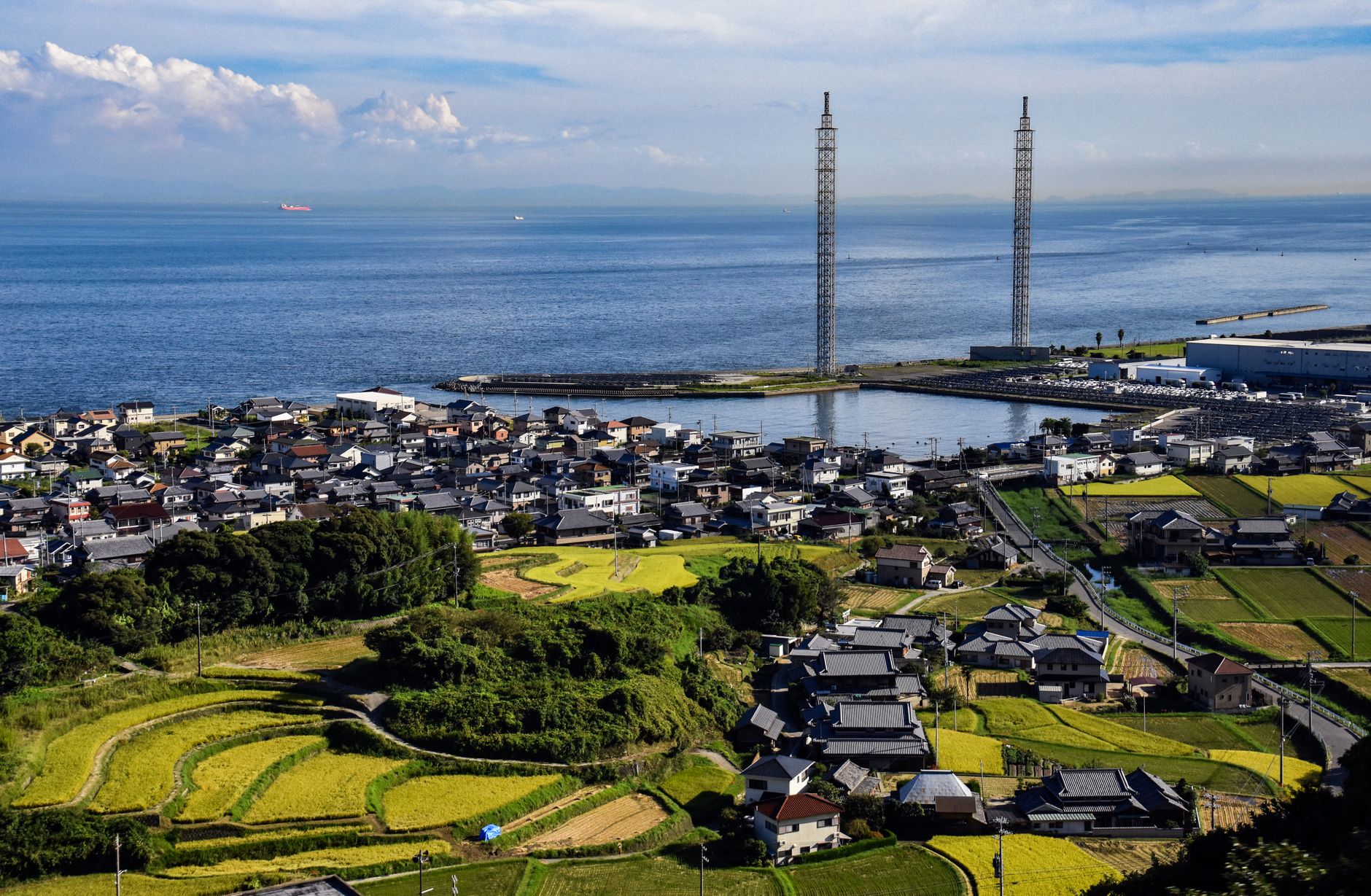
The tsunami crippled the Fukushima Daiichi nuclear power plant, knocking out cooling systems and triggering meltdowns in three reactors — the worst nuclear accident since Chernobyl. Hundreds of thousands of residents were evacuated from the surrounding exclusion zone, some permanently. The disaster reshaped Japanese energy policy and prompted major upgrades to tsunami defences and early-warning systems.
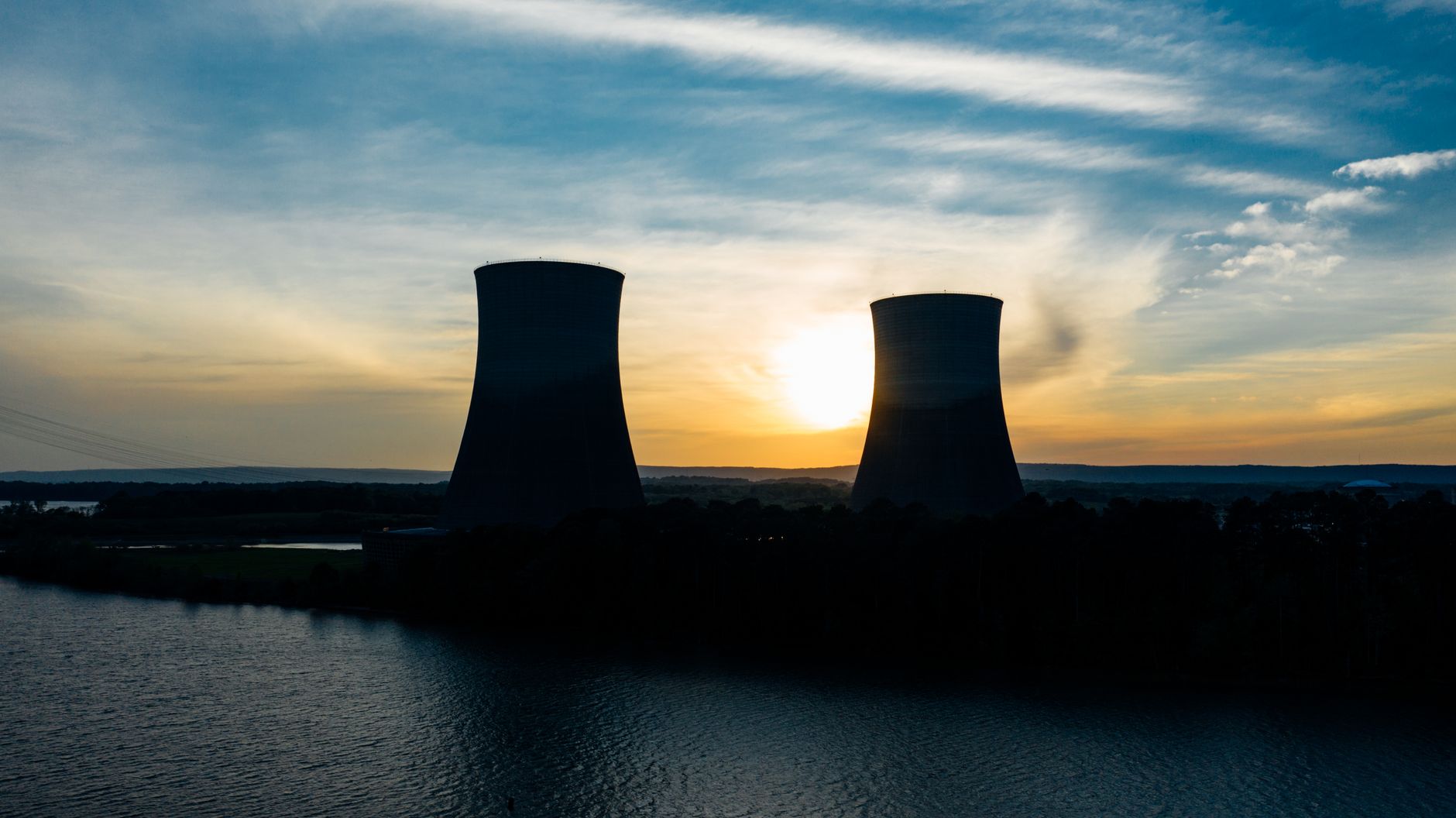
At an estimated $360 billion in damage, the Tōhoku earthquake remains the costliest natural disaster in recorded history. Japan's dense network of seismometers gave residents up to a minute's warning via the Earthquake Early Warning system before the worst shaking arrived, and the event pushed the country to raise tsunami sea walls and revise evacuation planning nationwide. More than a decade later, the Fukushima Daiichi clean-up and decommissioning is still ongoing and is expected to take decades more.