At 3:23 p.m. on 31 May 1970, a magnitude 7.9 earthquake struck off the coast of Ancash, northern Peru, at the subduction boundary where the Nazca Plate dives beneath the South American Plate. The shaking alone caused widespread destruction across the region, but the earthquake's deadliest effect struck minutes later, far from the coast.
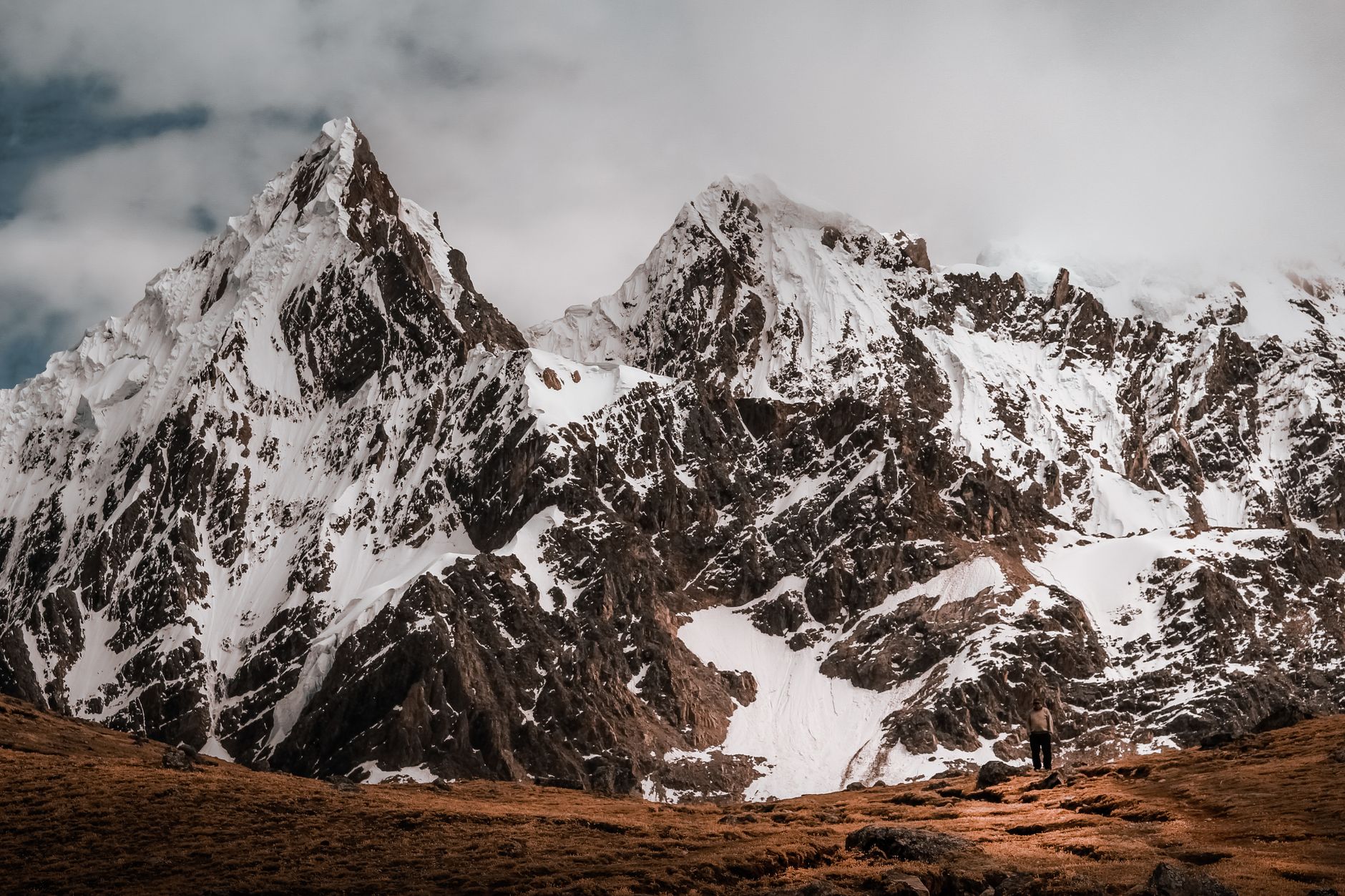
The quake shook loose a massive slab of rock and ice from the north face of Nevado Huascarán, Peru's tallest mountain. The resulting debris avalanche — estimated at 50–100 million cubic metres of material — raced downhill at speeds over 100 km/h, burying the town of Yungay and most of its roughly 20,000 residents in minutes.
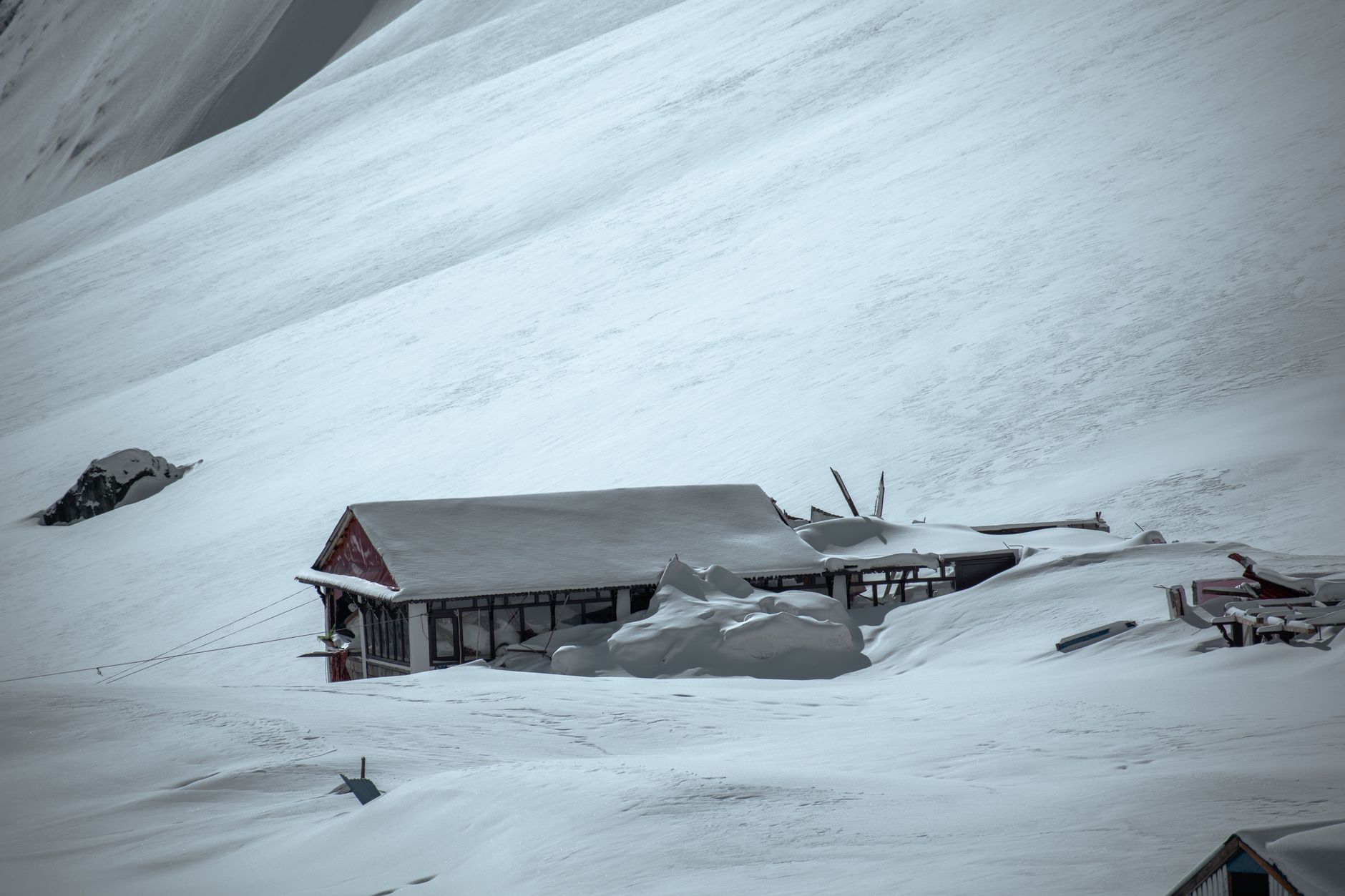
Total fatalities across the region are estimated at 66,000 to 70,000, with around 20,000 more injured and roughly 800,000 left homeless, making it the deadliest natural disaster in Peru's recorded history and one of the worst in the Western Hemisphere. The same fault zone had produced a smaller Huascarán debris avalanche in 1962 that killed around 4,000 people.
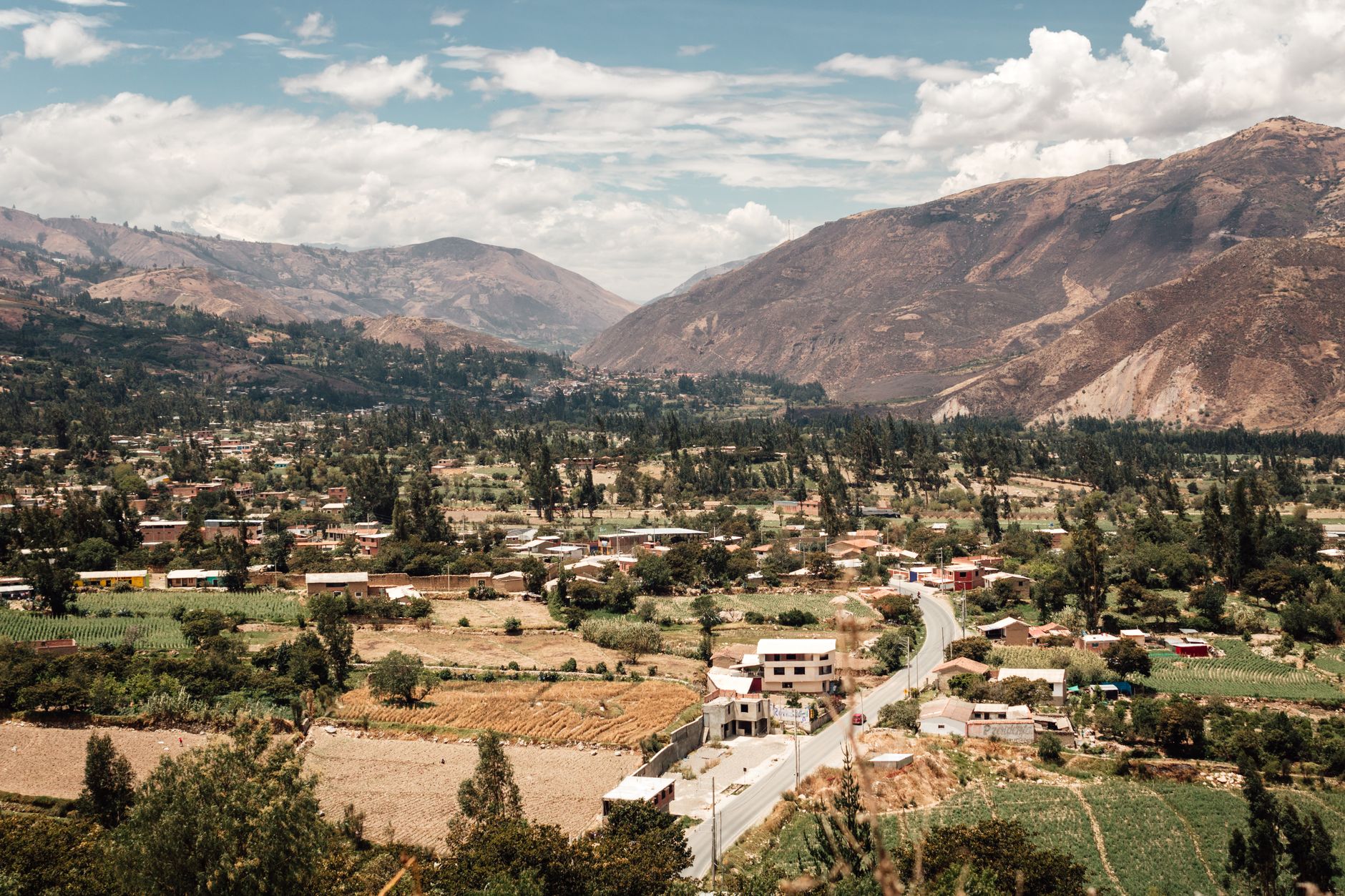
The 1970 disaster reshaped hazard mapping in the Peruvian Andes: Yungay was rebuilt on safer ground nearby, and the buried town site was declared a cemetery and memorial. Peru's National Seismological Network continues to closely monitor the Ancash region and the glaciated peaks above it for renewed landslide risk.