At 5:26 a.m. local time on 26 December 2003, a magnitude 6.6 earthquake struck the historic desert city of Bam in Kerman Province, southeastern Iran. The shallow rupture, on a previously unmapped fault directly beneath the city, gave residents essentially no warning.
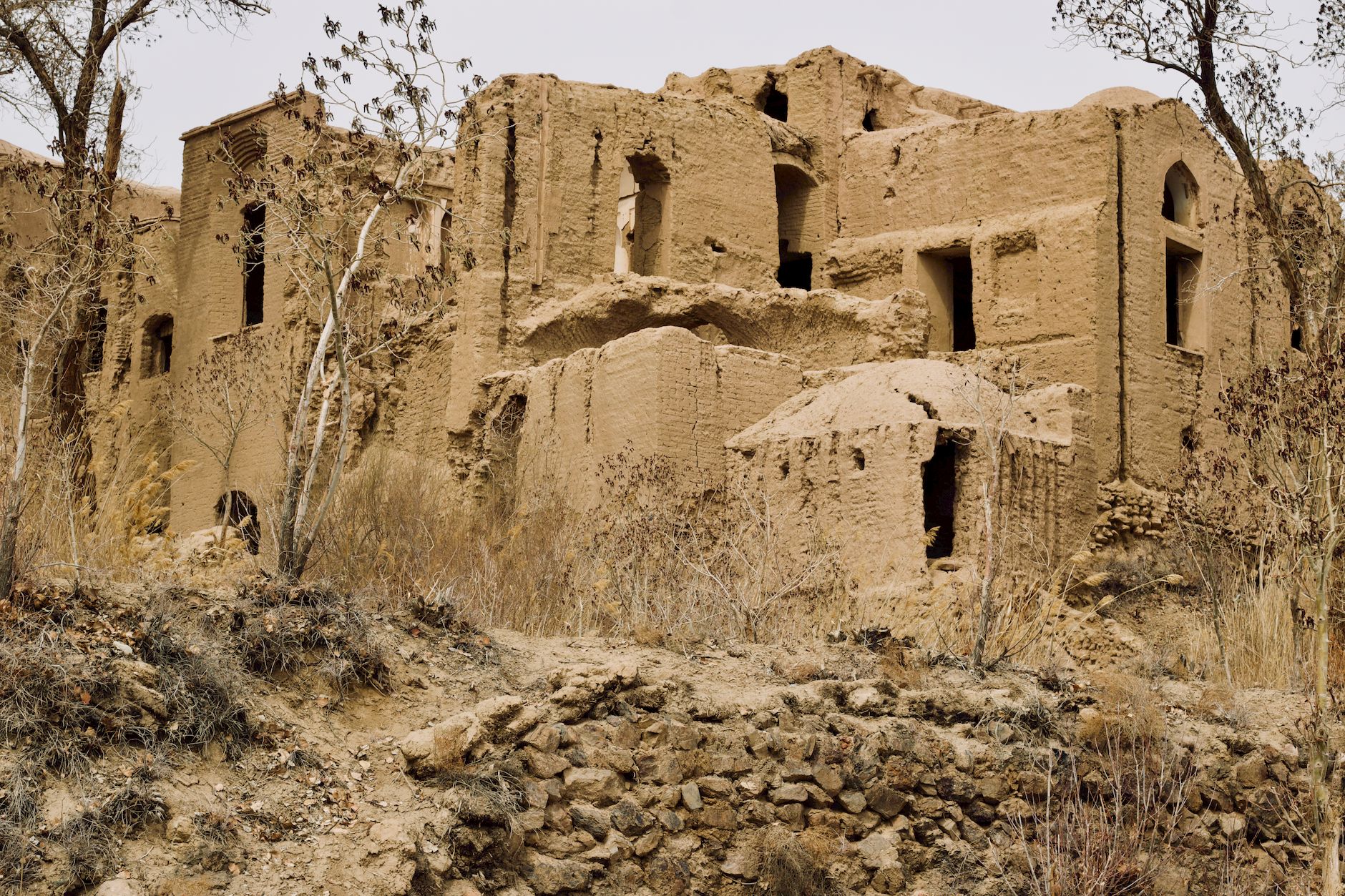
Iran's Statistical Center later put the confirmed death toll at 26,271, though the country's Crisis Management Organization revised the estimate upward to around 34,000 on the earthquake's 17th anniversary in 2020. Roughly 30,000 more were injured and some 75,000 were left homeless out of a city of about 100,000 people — a death toll disproportionate to the quake's moderate magnitude.
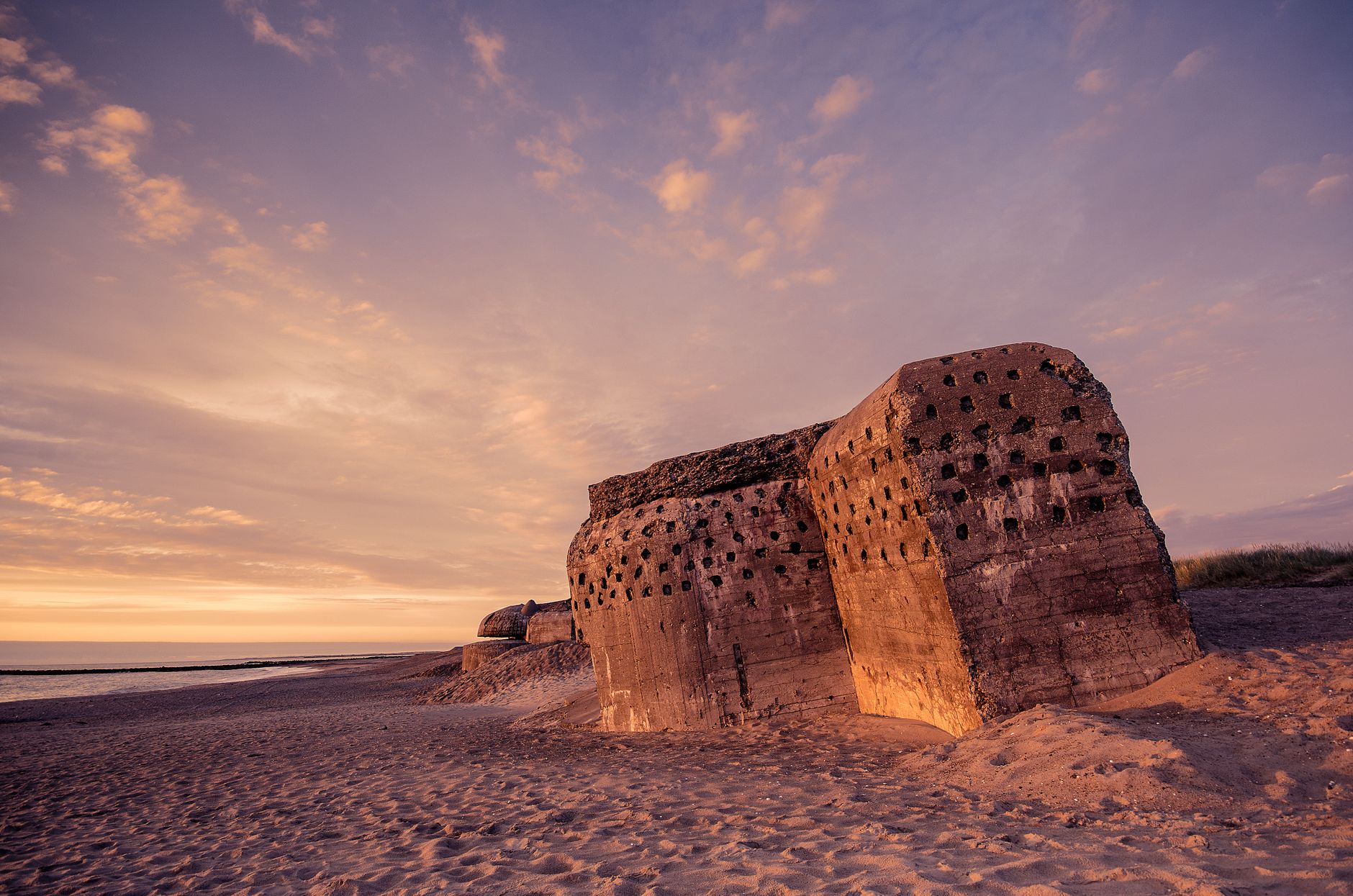
The devastation was so extreme because Bam's traditional buildings, including its ancient core, were built almost entirely of unreinforced mud brick and adobe with no seismic resistance. An estimated 87% of the city's structures were destroyed or badly damaged within seconds, among the highest destruction rates ever recorded for a moderate-magnitude quake.
The earthquake also destroyed the Arg-e Bam, a roughly 2,000-year-old citadel and the largest adobe (mud-brick) building complex in the world, a UNESCO World Heritage Site that had survived millennia of wars and previous quakes. International teams, coordinated with Iranian authorities and UNESCO, later undertook a painstaking reconstruction using traditional materials and techniques, restoring much of the citadel while leaving visible earthquake scars as a memorial.