At 1:47 a.m. on 21 September 1999, a magnitude 7.6 earthquake struck central Taiwan, rupturing roughly 100 km of the Chelungpu Fault, a shallow thrust fault dipping east beneath Nantou County. The quake is known in Taiwan simply as "921," after its date, and remains the strongest to hit the island in the 20th century.
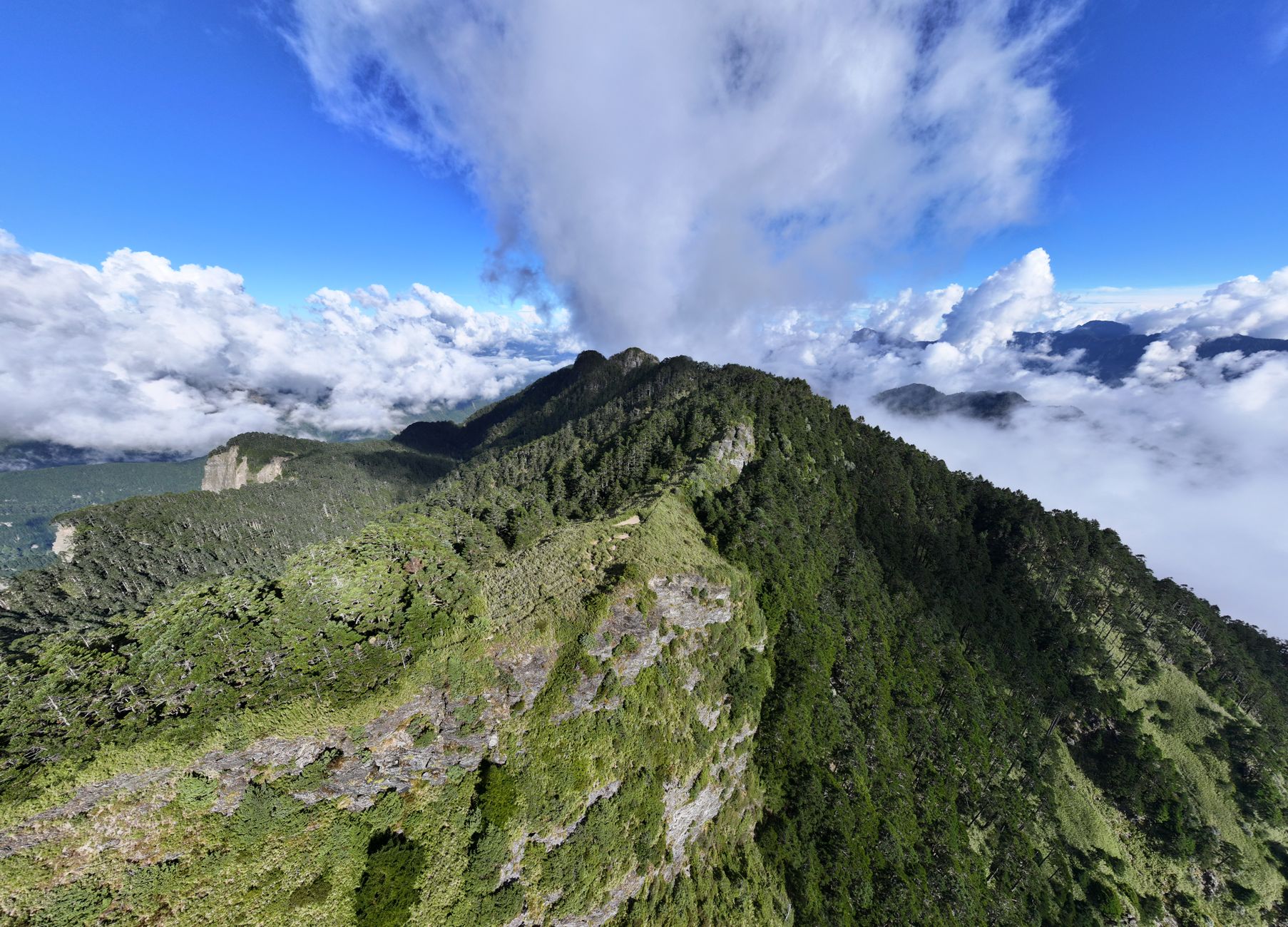
The rupture reached the surface and produced vertical offsets of up to eight metres in places, thrusting up riverbeds, roads and even a school running track that is now preserved as an open-air museum. About 2,415 people were killed and more than 11,000 injured, with over 100,000 people left homeless as roughly 100,000 buildings were damaged or destroyed.
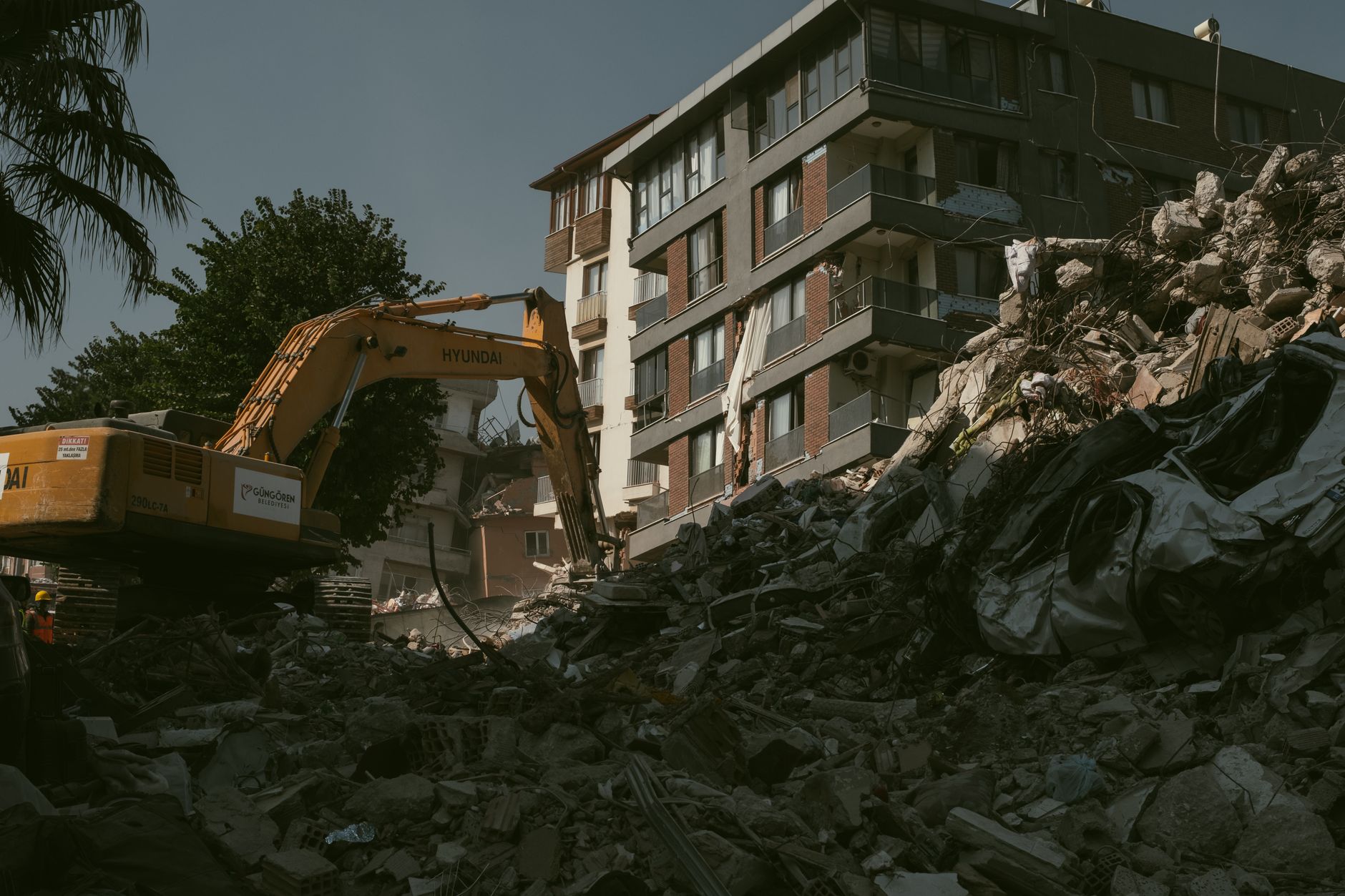
Failures concentrated in mid-rise reinforced-concrete apartment blocks with weak ground floors — often shops with open fronts — a "soft-storey" design flaw that later became a textbook case in seismic engineering worldwide. Taiwan's Central Weather Bureau recorded nearly 13,000 aftershocks in the following month.
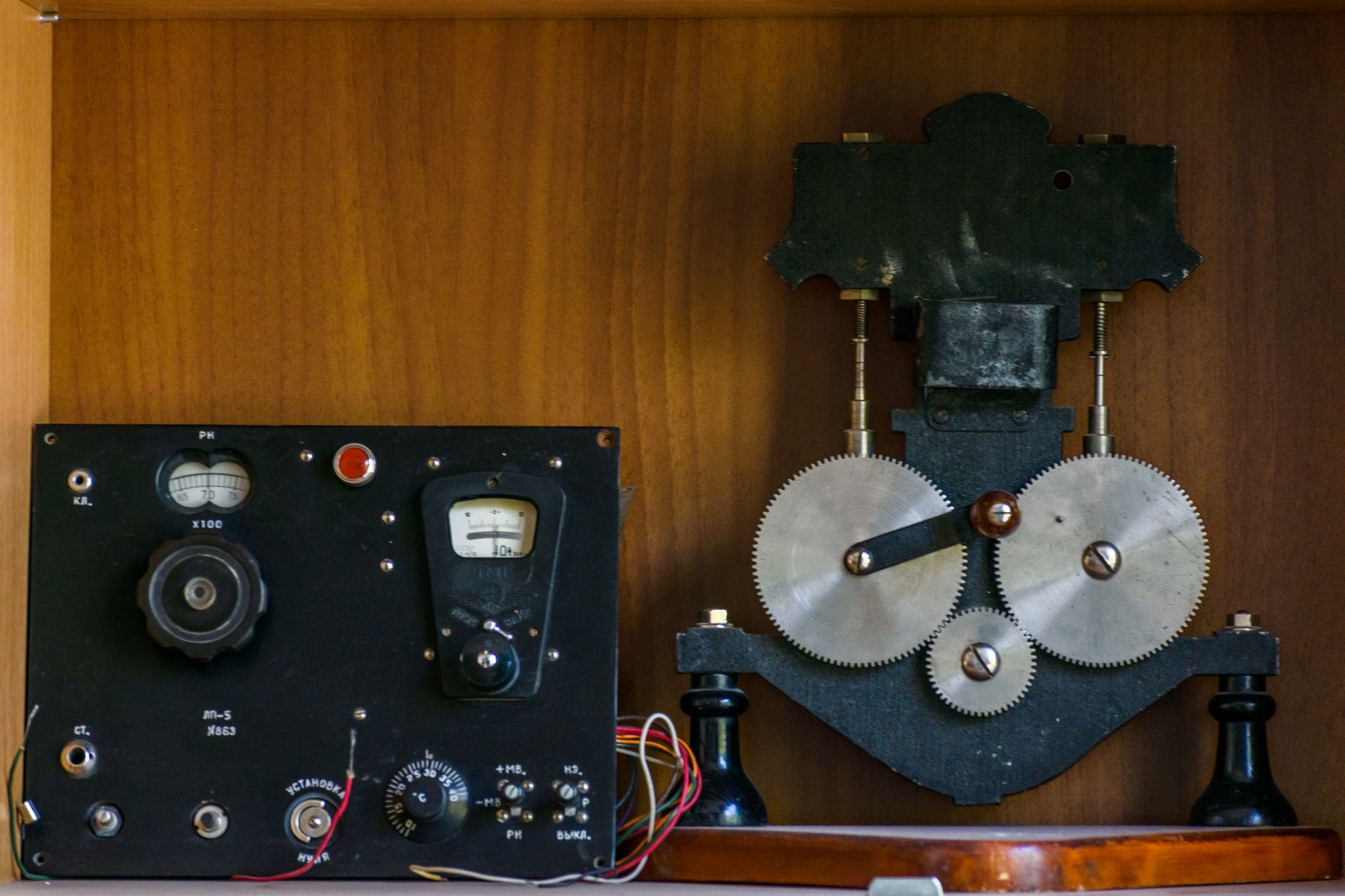
Chi-Chi triggered a sweeping overhaul of Taiwan's building code and led to the creation of its first nationwide earthquake early-warning system. The Chelungpu Fault and the wider collision zone between the Philippine Sea and Eurasian plates remain intensely monitored today, and the 921 Earthquake Museum in Wufeng preserves the ruptured schoolyard as a permanent reminder.