Home › Earthquake Christchurch, New Zealand
2011 Christchurch Earthquake (M6.3) — New Zealand's Deadliest Disaster
M 6.3Magnitude
22 Feb 2011Date
185Deaths
Advertisement
At 12:51 p.m. on 22 February 2011, a magnitude 6.3 earthquake struck almost directly beneath Christchurch, New Zealand's second-largest city, at a shallow depth of only about 5 km. It was an aftershock of the larger magnitude 7.1 Darfield earthquake that had jolted the wider Canterbury region five months earlier, but it ruptured a previously unmapped fault far closer to the city centre, producing some of the most violent ground accelerations ever recorded near a major urban area.
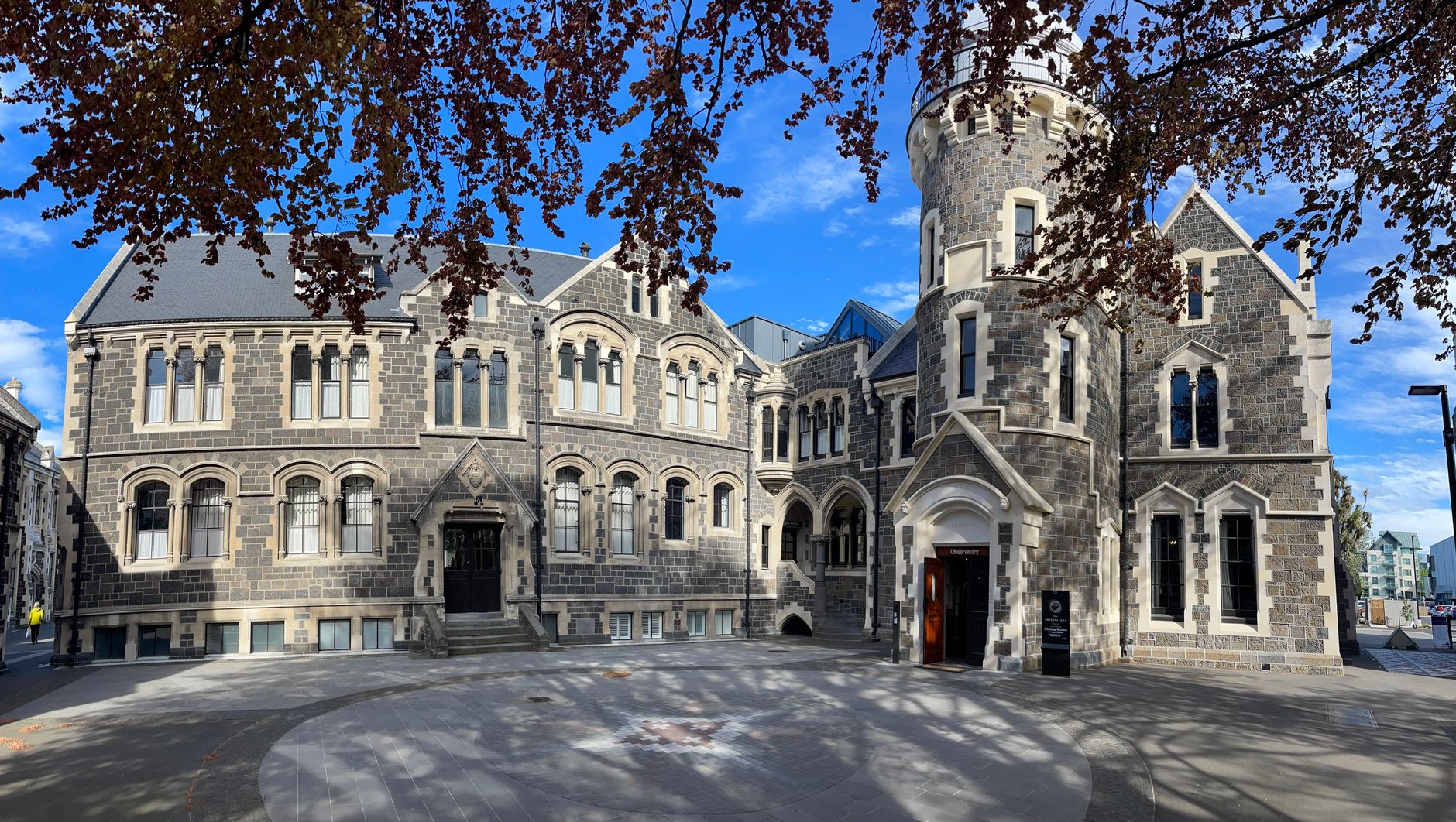
Despite its smaller magnitude, the quake killed 185 people, New Zealand's deadliest disaster since the 1931 Hawke's Bay earthquake. Most deaths came from two building collapses: the six-storey Canterbury Television (CTV) building, which killed 115 people, and the Pyne Gould Corporation (PGC) building, which killed 18 more. Falling masonry and rockfall from the Port Hills claimed further lives across the city.
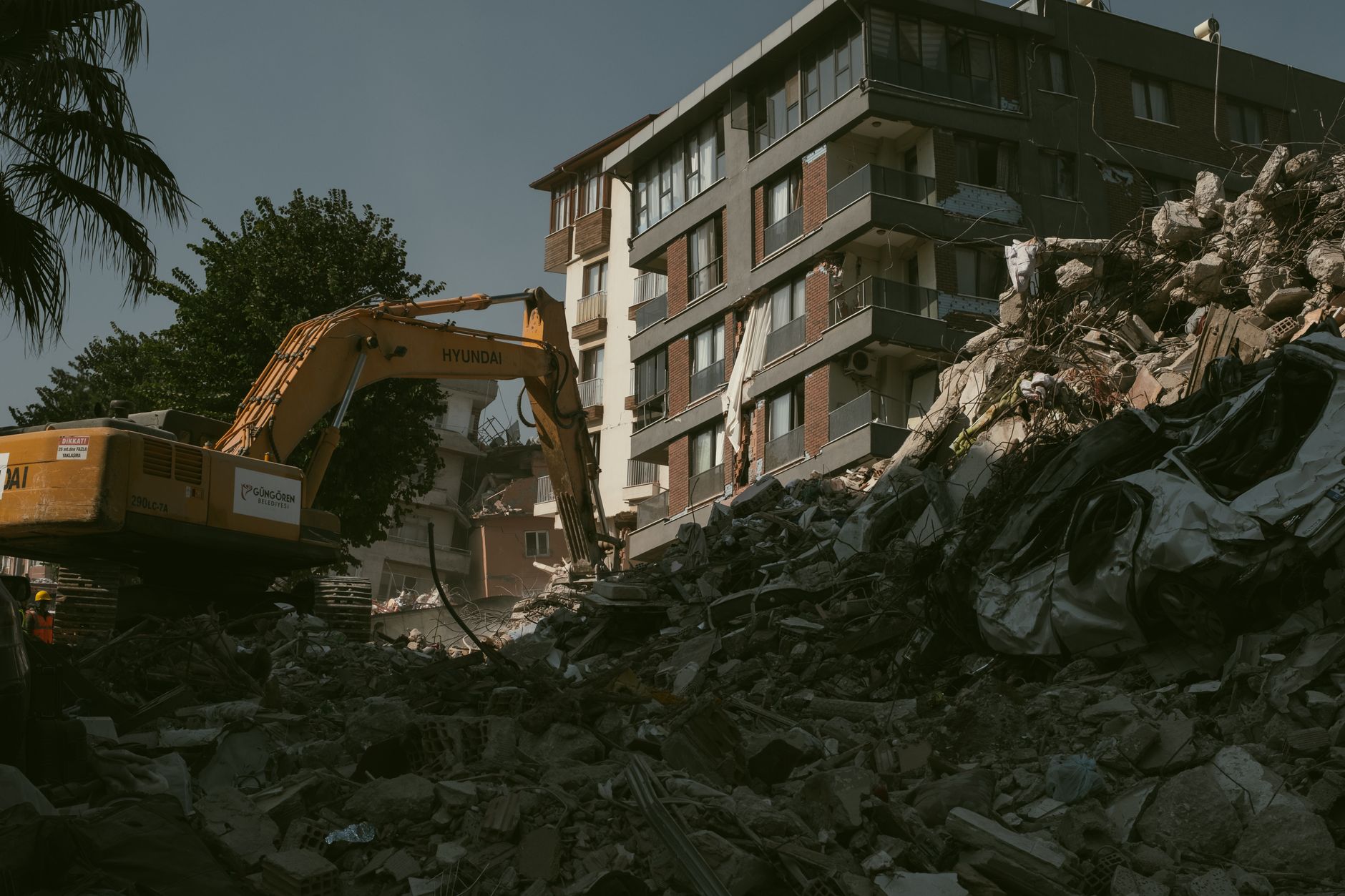
Widespread liquefaction turned soft, water-saturated ground in the eastern suburbs into a shifting slurry, burying streets and homes in silt and leaving thousands of properties too damaged to repair. The historic ChristChurch Cathedral in Cathedral Square lost its spire and suffered severe structural damage, becoming the visual symbol of a central business district that stayed cordoned off for years. Total losses reached roughly NZ$40 billion, New Zealand's costliest natural disaster on record.
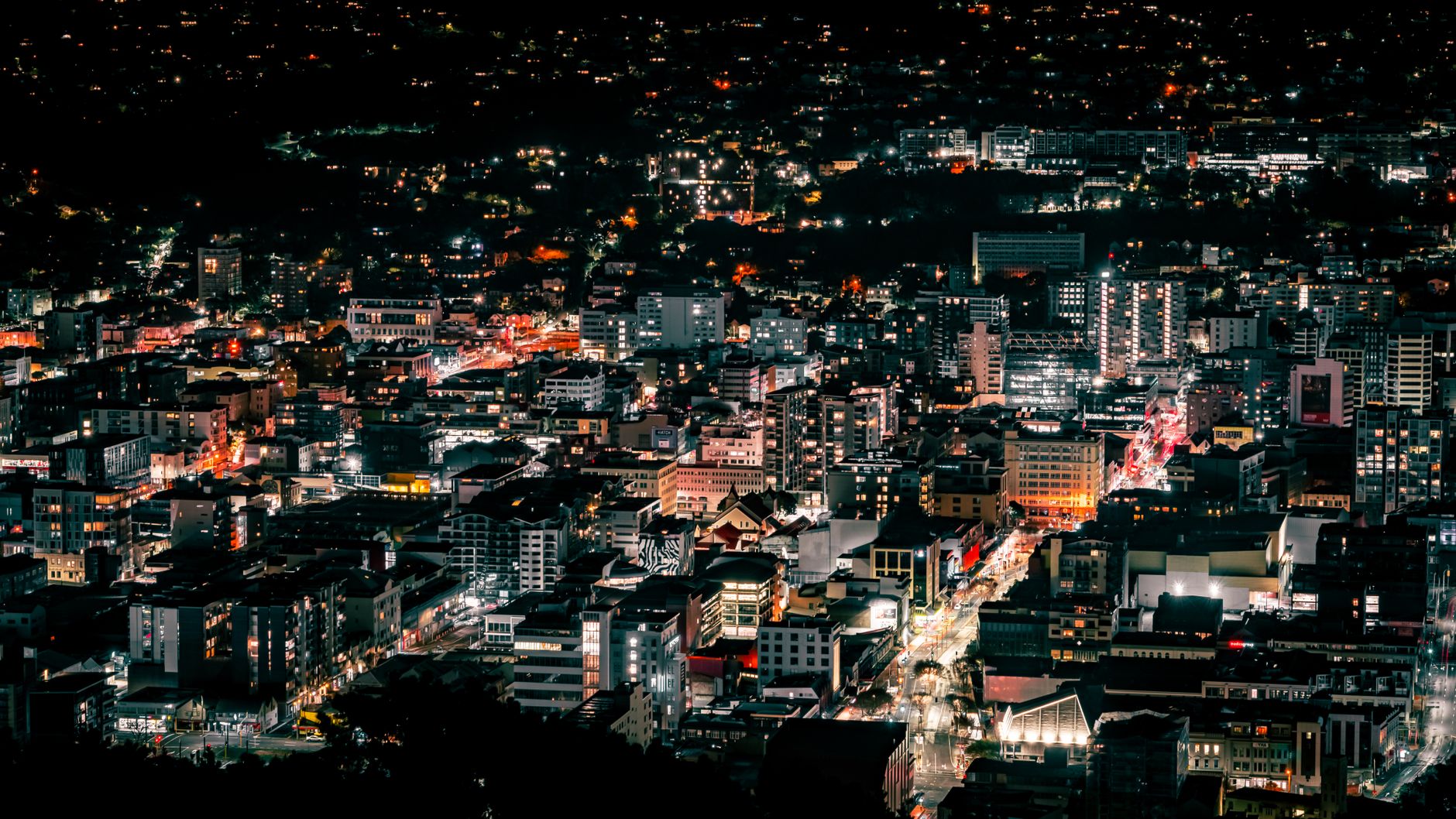
The disaster forced a fundamental rethink of urban seismic risk in New Zealand. A residential red zone permanently retired thousands of the worst-hit eastern-suburb properties, building codes were tightened nationwide, and a years-long central-city rebuild replaced much of the historic CBD. GNS Science continues to closely monitor the Canterbury fault network, which remains active more than a decade on.
Advertisement
Frequently asked questions
When did the Christchurch earthquake happen?
It struck at 12:51 p.m. local time on 22 February 2011, a shallow aftershock of the larger Darfield earthquake that had hit the region the previous September.
What magnitude was the Christchurch earthquake?
Magnitude 6.3 — smaller than the M7.1 Darfield quake of September 2010, but far more destructive because it struck on a shallow, previously unmapped fault almost directly beneath the city.
How many people died in the Christchurch earthquake?
185 people died, making it New Zealand's deadliest disaster since the 1931 Hawke's Bay earthquake.
What caused the most deaths?
The collapse of the six-storey Canterbury Television (CTV) building killed 115 people, and the collapse of the Pyne Gould Corporation (PGC) building killed 18 more.
What is liquefaction and how did it affect Christchurch?
Liquefaction happens when intense shaking causes water-saturated soil to lose strength and behave like a liquid. It buried streets and properties in silt across Christchurch's eastern suburbs, damaging thousands of homes beyond repair.
What happened to Christchurch Cathedral?
The city's landmark Anglican cathedral in Cathedral Square lost its spire and suffered severe structural damage; restoration work stretched on for over a decade afterward.
How much did the earthquake cost New Zealand?
Roughly NZ$40 billion, making it New Zealand's costliest natural disaster and one of the most expensive insured earthquake events in history.
How did Christchurch rebuild after the earthquake?
A years-long rebuild replaced much of the historic central business district with new anchor projects and stricter seismic codes, while a residential red zone saw thousands of badly damaged eastern-suburb properties permanently abandoned.
Is Christchurch still at risk of earthquakes?
Yes. New Zealand sits on the boundary between the Pacific and Australian plates, and GNS Science continues to monitor the Canterbury region and its wider fault network for renewed seismic hazard.
See Christchurch's full seismic risk profile → · New Zealand earthquakes → · See the biggest earthquakes →