On 14 August 2021, a magnitude 7.2 earthquake struck near Petit-Trou-de-Nippes in southwestern Haiti, about 150 km west of the capital Port-au-Prince. The shallow rupture, at roughly 10 km depth, hit a fault segment near — but distinct from — the one responsible for the catastrophic 2010 earthquake just over a decade earlier.
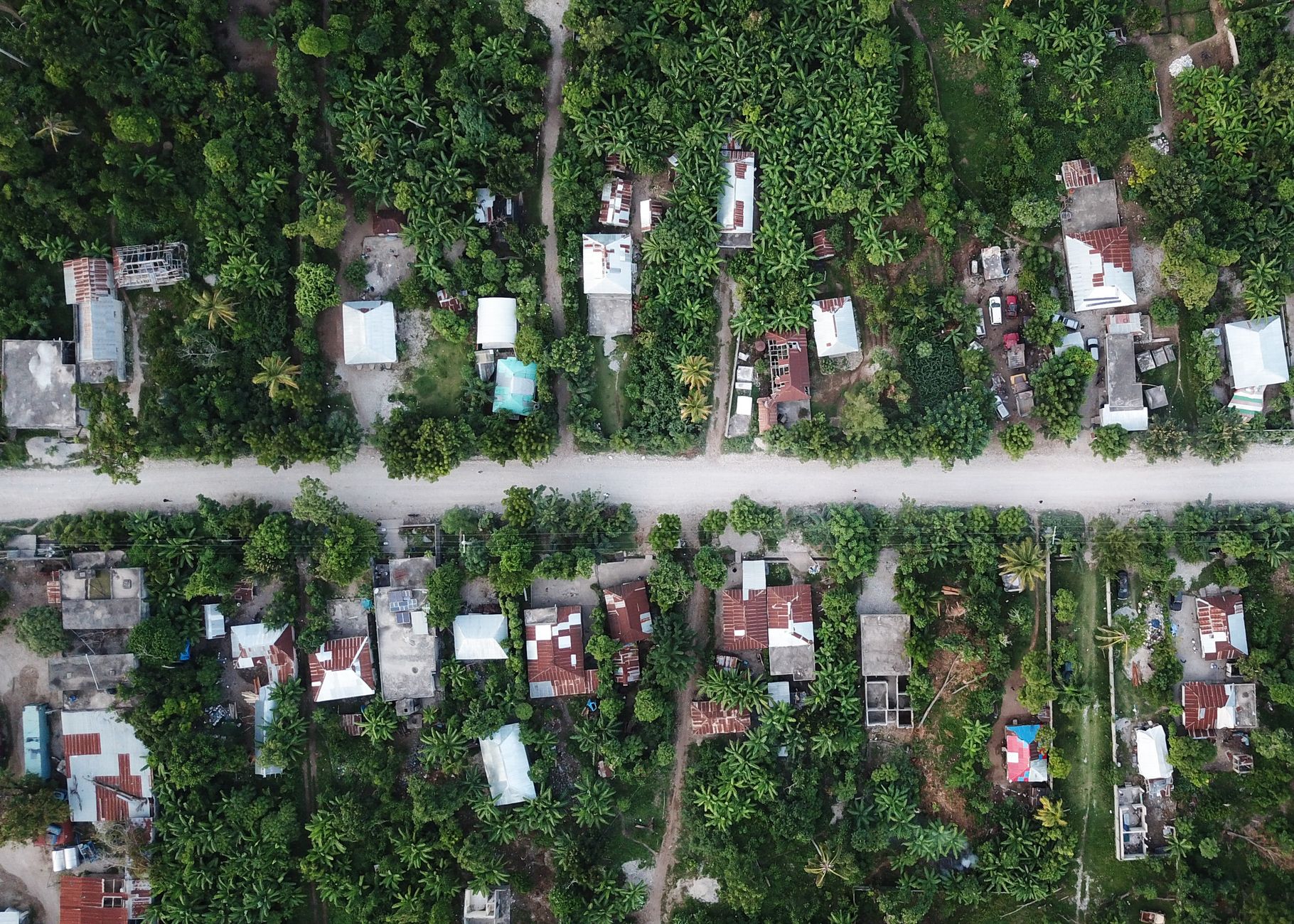
More than 2,200 people were killed and over 12,000 injured. Nearly 53,000 houses were destroyed and another 77,000 damaged, leaving hundreds of thousands of people without shelter across the Grand'Anse, Nippes and South departments, worsened days later by the remnants of Tropical Storm Grace.
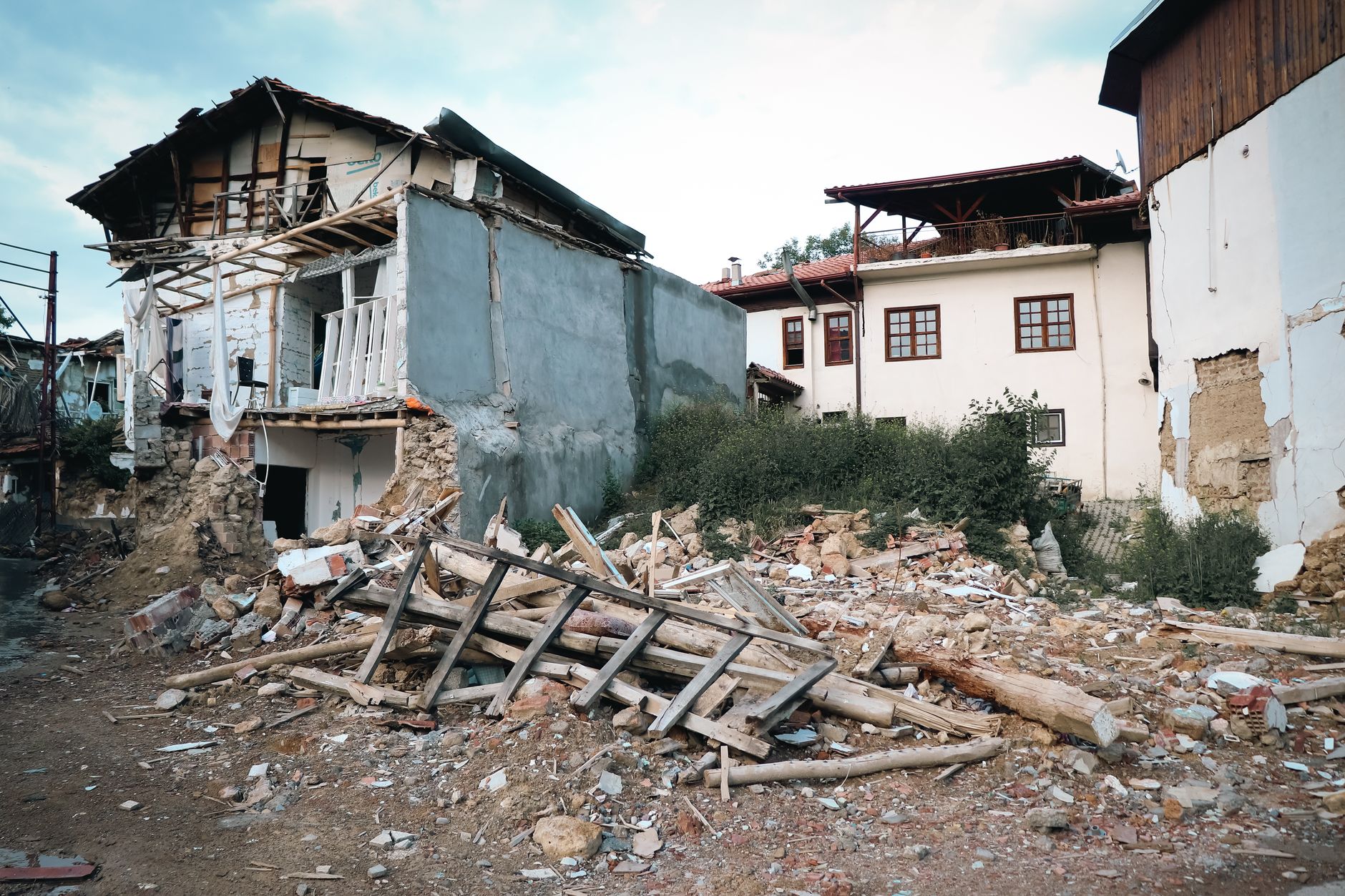
As in 2010, most casualties resulted from the collapse of unreinforced concrete and masonry buildings rather than the ground shaking itself. Haiti's chronic lack of building codes enforcement and limited seismic monitoring left rural communities especially exposed, and damage assessment relied heavily on satellite imagery because roads to the affected departments were cut by landslides.

The disaster renewed international attention on the Enriquillo-Plantain Garden fault system, which seismologists still consider capable of rupturing closer to Port-au-Prince. Reconstruction after 2021 has moved slowly, hampered by the political instability and gang violence that gripped Haiti in the following years.