At 7:34 pm on 23 November 1980, a magnitude 6.9 earthquake struck the Irpinia area of Campania, spreading destruction across Basilicata and parts of Puglia in southern Italy. The rupture actually involved several fault segments breaking in sequence over about 40 seconds, which amplified the shaking across a wide area.
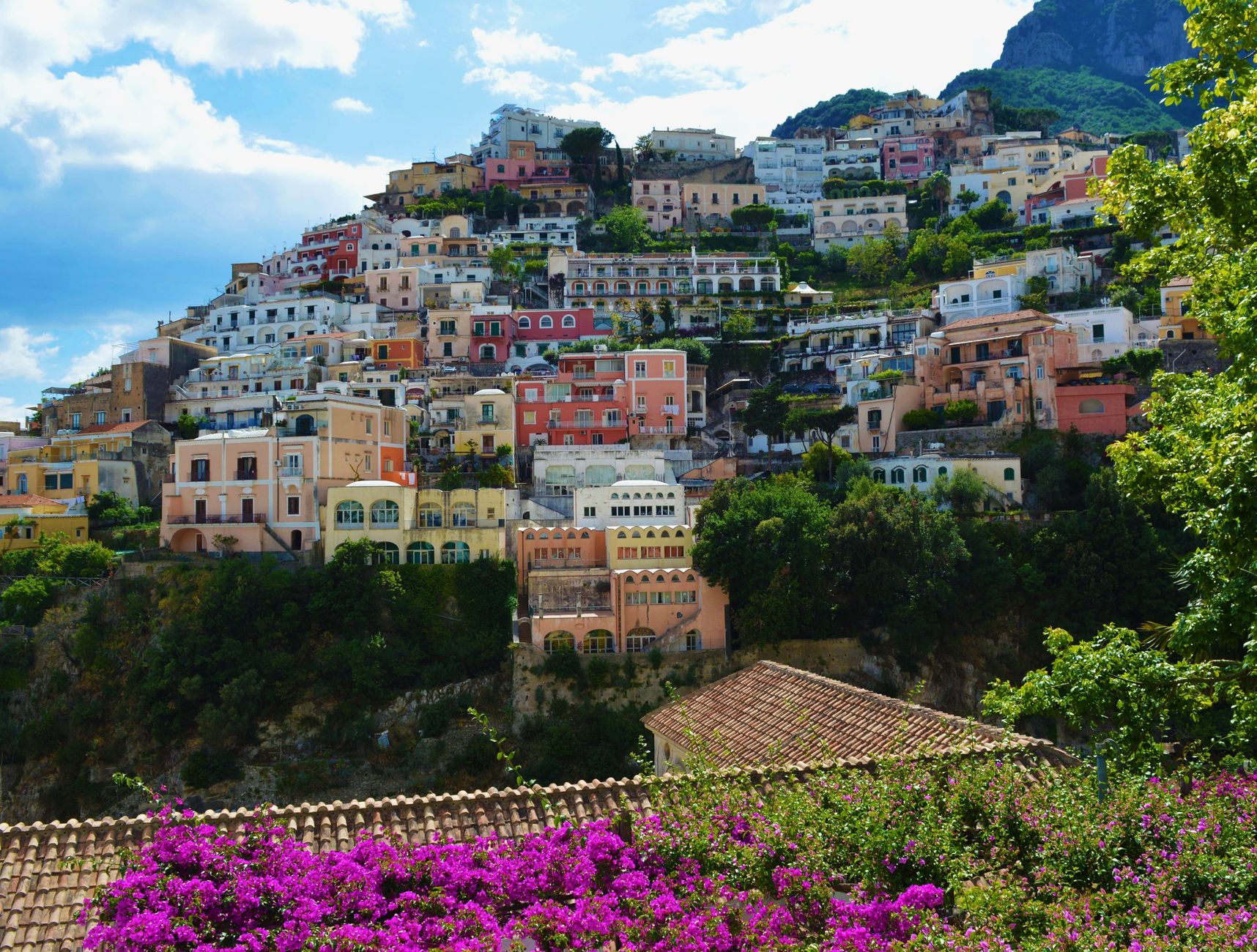
Around 2,900 people were killed, roughly 9,000 injured, and an estimated 280,000 left homeless. Some 688 municipalities suffered serious damage, and in dozens of small hill towns, entire historic centres — many built centuries earlier from unreinforced stone — collapsed almost completely.
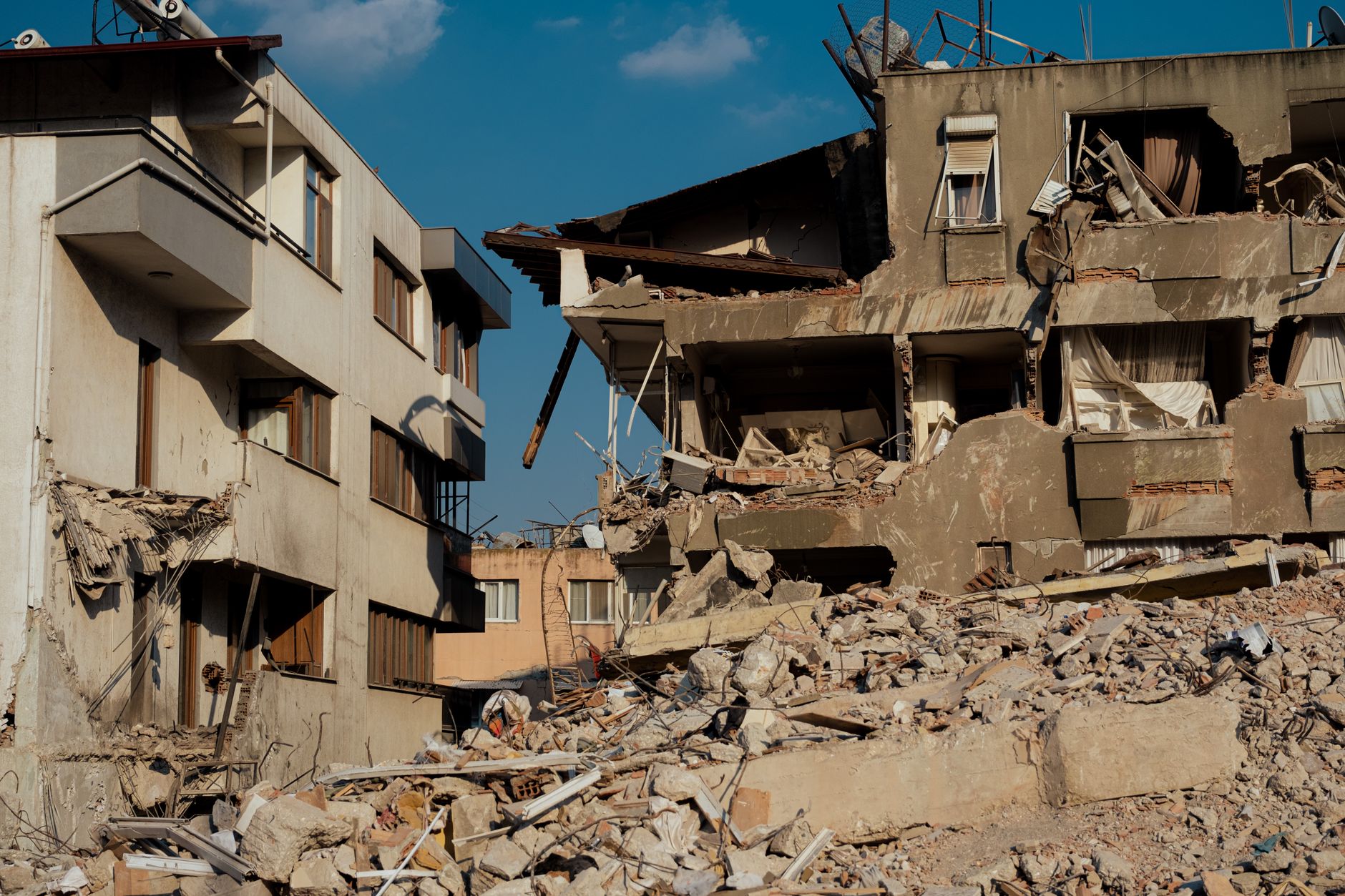
The response was hampered by chaotic early coordination: reports reached Rome slowly from the isolated hill towns of Irpinia, delaying rescue teams for critical hours in a country later criticised for its disaster-response failures. Landslides triggered by the shaking, notably at Calitri, Caposele, Calabritto and Senerchia, compounded the destruction.

The Irpinia earthquake reshaped Italian disaster policy: it led directly to the creation of the modern Protezione Civile national civil-protection system and to Italy's first serious nationwide push for seismic building codes. It remains the deadliest earthquake in Italy since the catastrophic 1908 Messina quake.