At 11:58 a.m. on 1 September 1923, a magnitude 7.9 earthquake struck the Kanto plain of central Japan, rupturing a section of the Sagami Trough where the Philippine Sea Plate dives beneath the Okhotsk Plate. The epicentre lay in Sagami Bay, close enough to Tokyo and the port city of Yokohama that both were devastated within seconds.
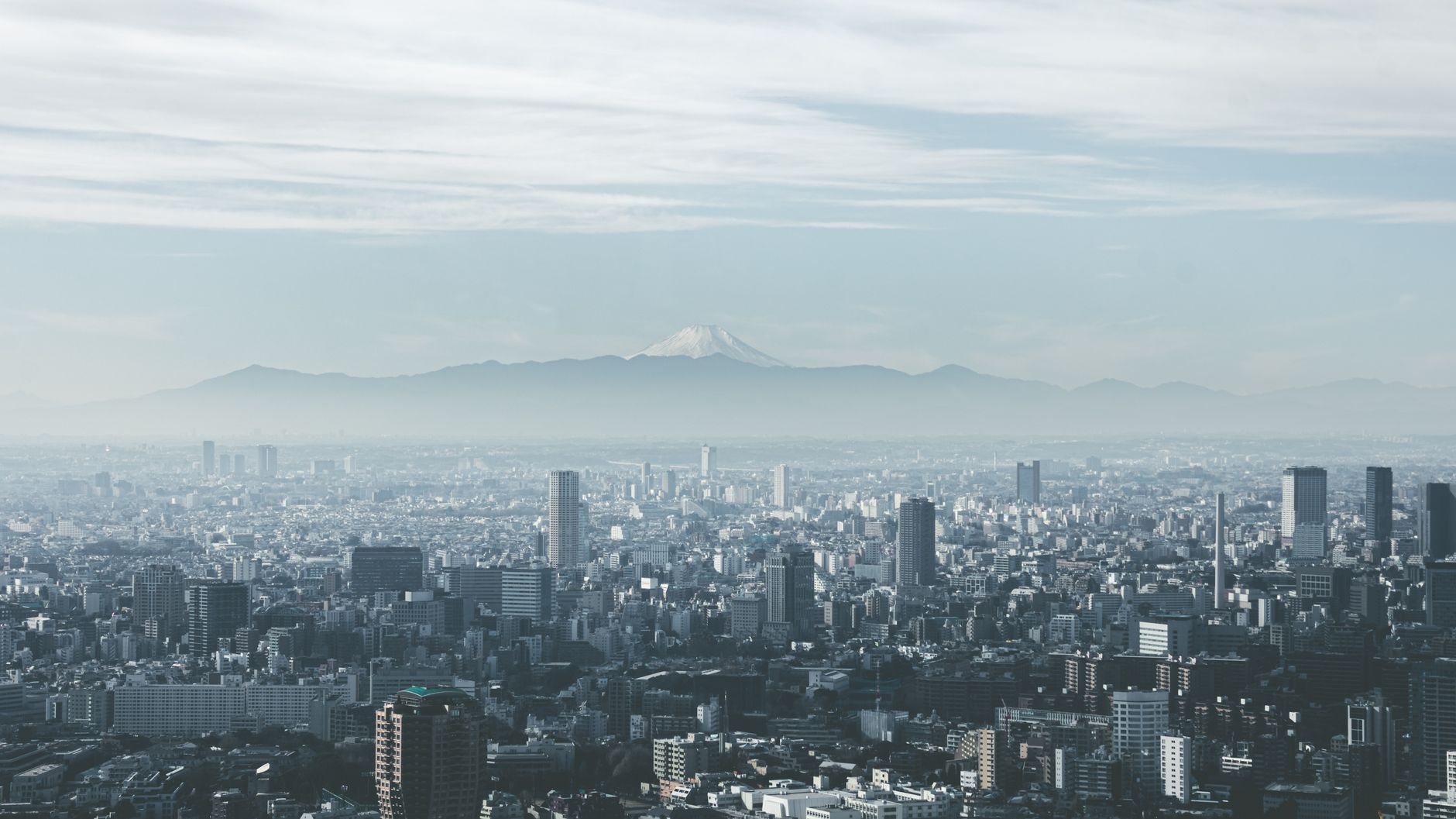
The timing made it uniquely lethal: it struck right as millions of households were lighting charcoal stoves for the midday meal. Toppled stoves ignited fires across the densely built wooden city, and shifting winds from an approaching typhoon fanned the flames into firestorms. One firestorm engulfed an open lot in Tokyo where roughly 38,000 people had gathered for safety, killing nearly all of them in a single event.
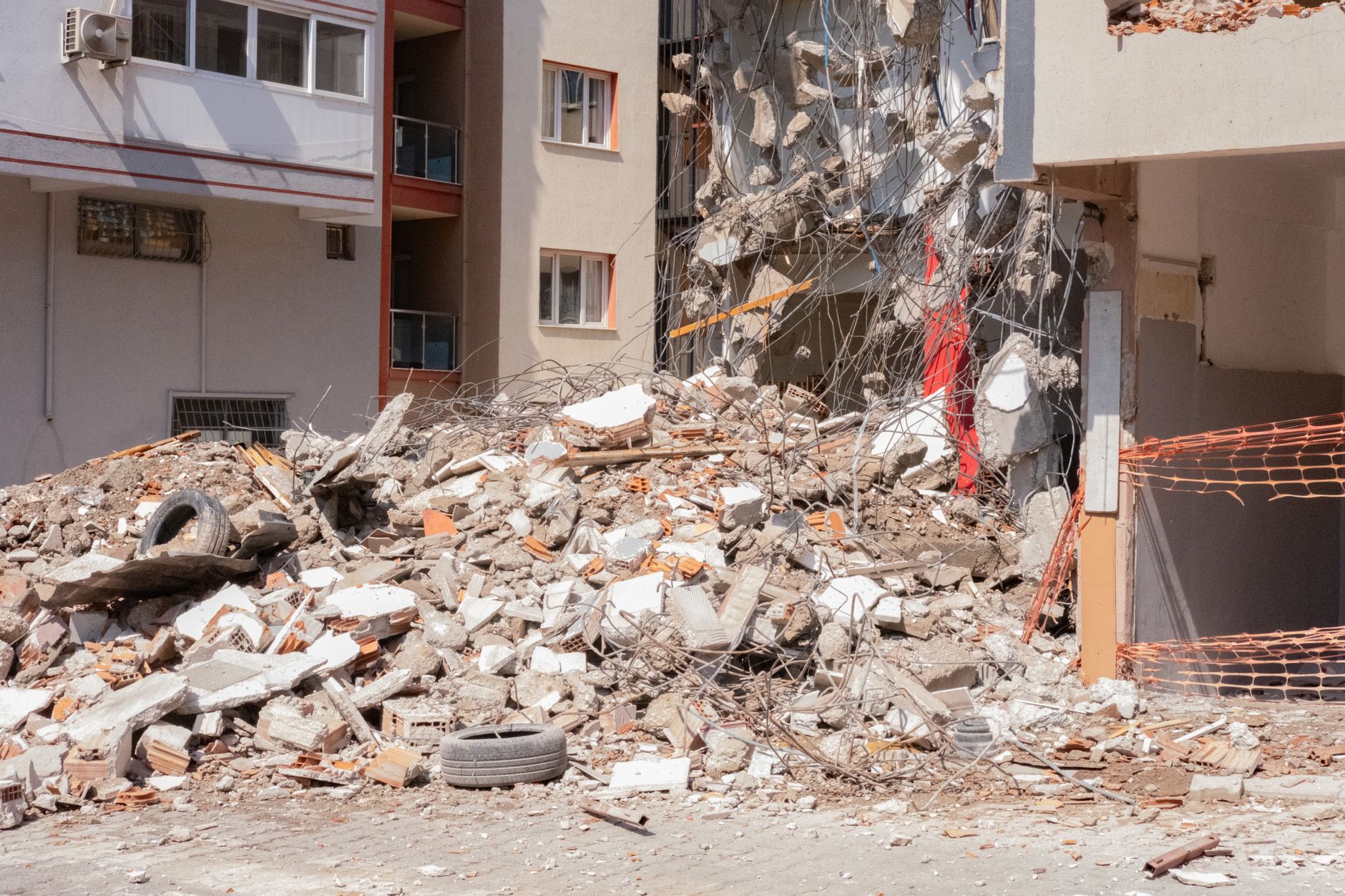
Later research based on Japan's official 1923 disaster report puts the death toll at about 105,385, with fire responsible for close to 87% of deaths versus roughly 10% from collapsing buildings — a near-inverse of most earthquake disasters, where structural collapse usually dominates. Early contemporary estimates ran as high as 140,000.
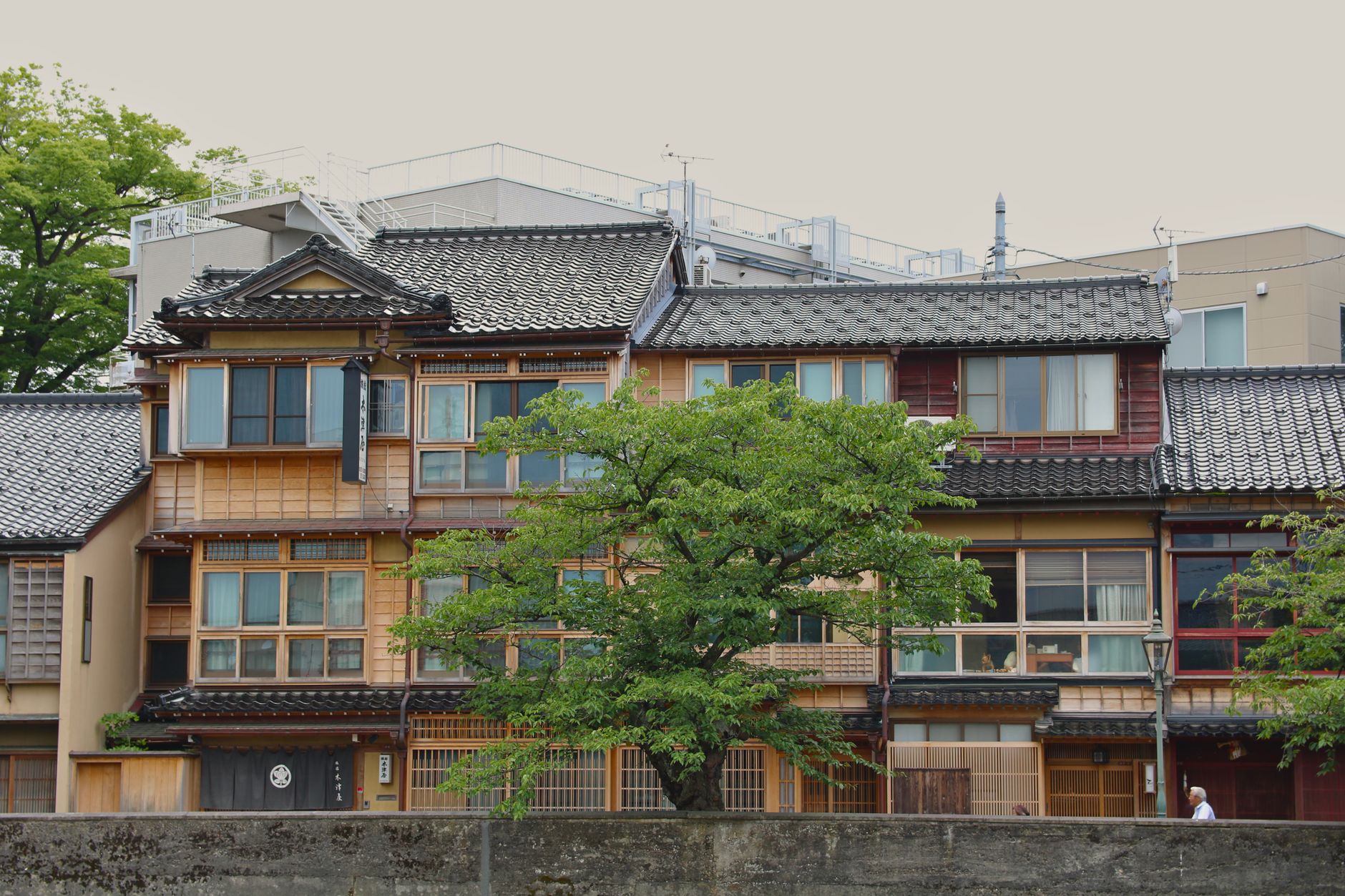
The catastrophe reshaped Japan's approach to urban planning and fire-resistant construction, and 1 September is still observed nationwide as Disaster Prevention Day, with earthquake and fire drills held across the country every year on the anniversary.