On 8 October 2005 at 8:50 a.m. local time, a magnitude 7.6 earthquake struck the Kashmir region of northern Pakistan, centred about 19 km northeast of Muzaffarabad. The rupture occurred on a shallow thrust fault within the collision zone where the Indian Plate pushes beneath the Eurasian Plate under the Himalayas, at a depth of roughly 26 km.
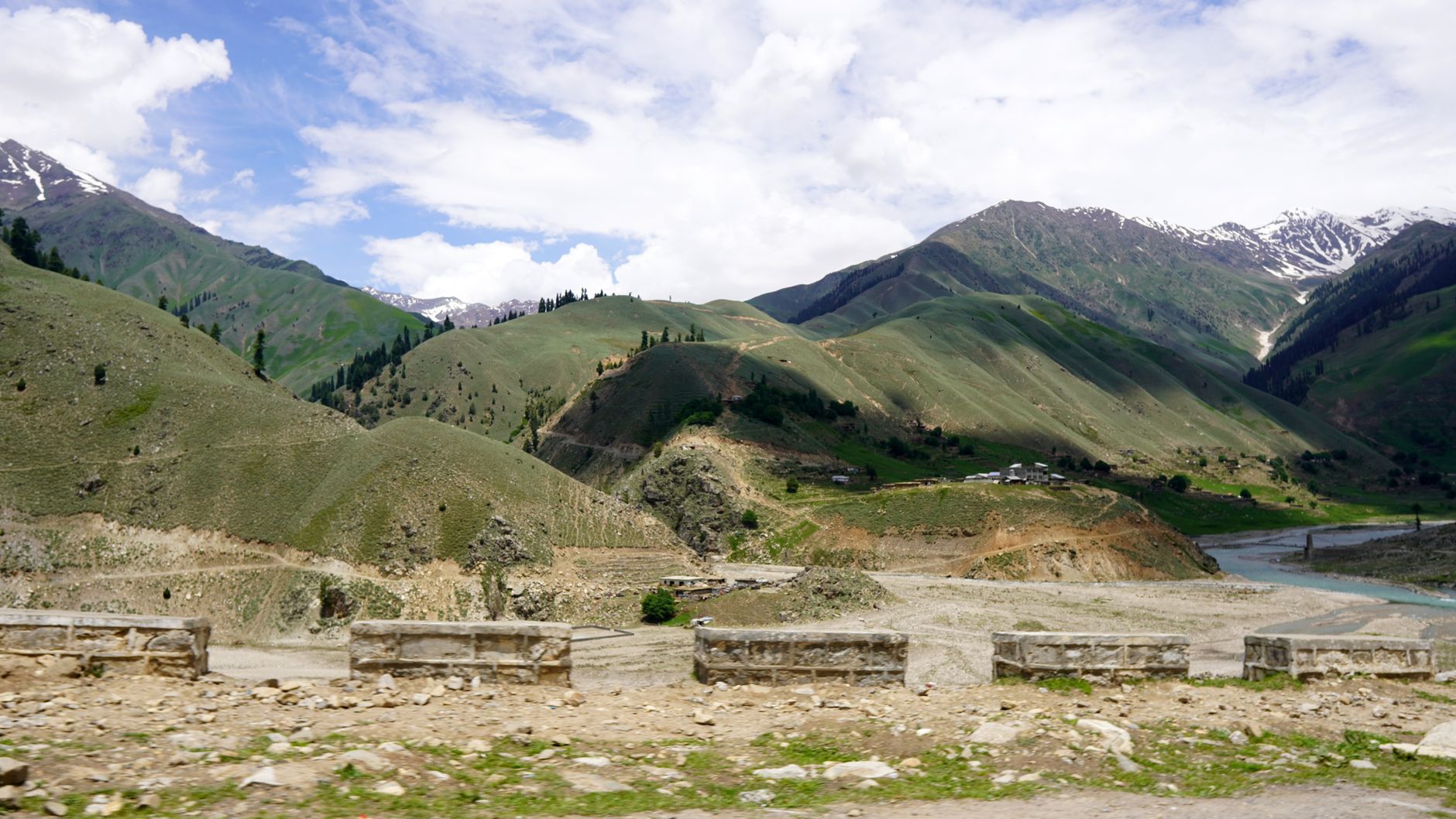
The Pakistani government's official toll stood at 87,350 dead, though independent estimates put the true figure above 100,000, with more than 100,000 people injured and roughly 3.5 million left homeless across Pakistan-administered Kashmir and Khyber Pakhtunkhwa. Entire mountain towns and villages were levelled, and the steep, remote terrain triggered thousands of landslides that buried roads and complicated the rescue.
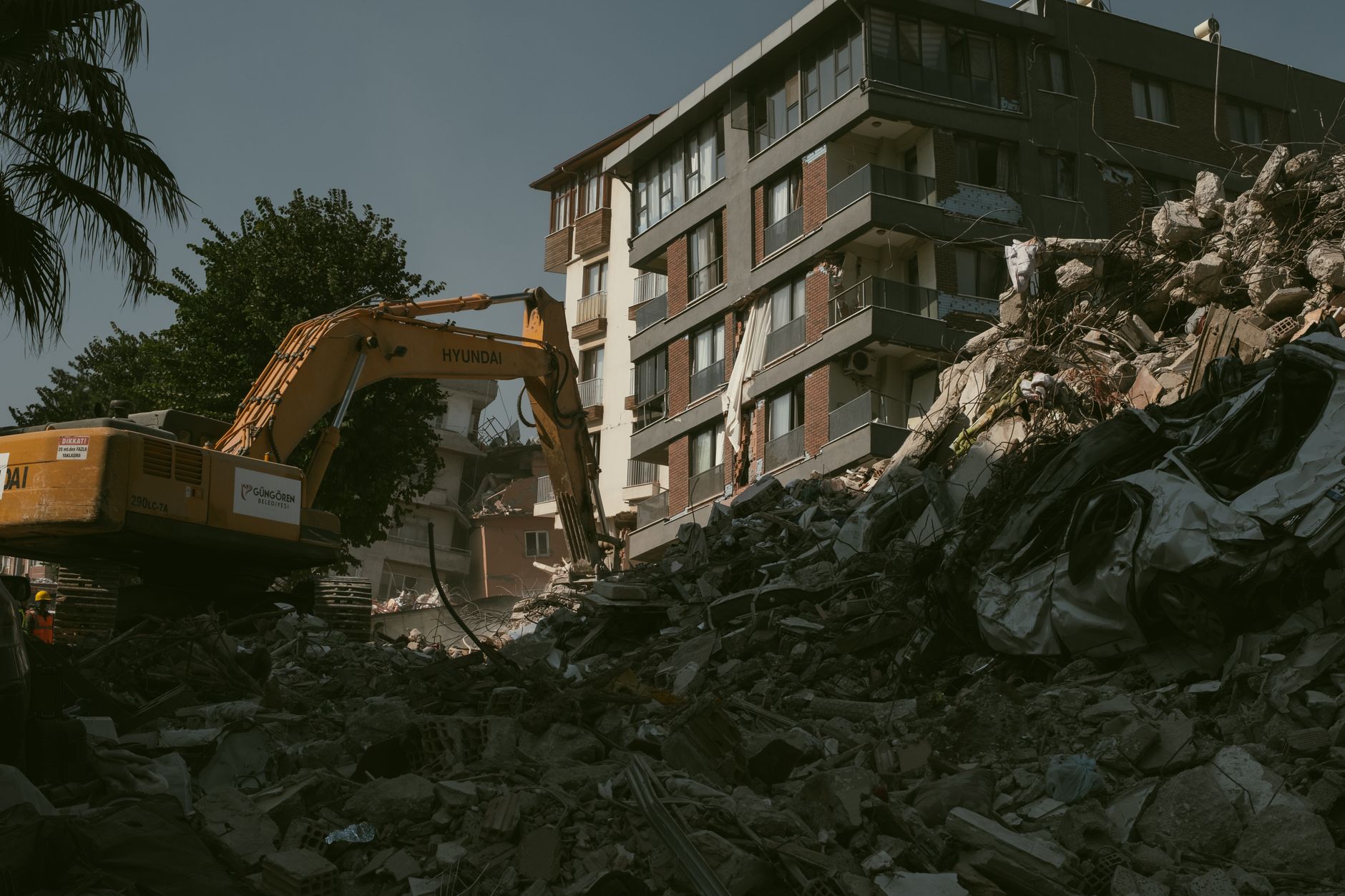
Because the earthquake struck during school hours, thousands of children were killed when poorly built school buildings collapsed on top of them, making it one of the deadliest disasters for children in modern history and prompting international scrutiny of school construction standards across the region.
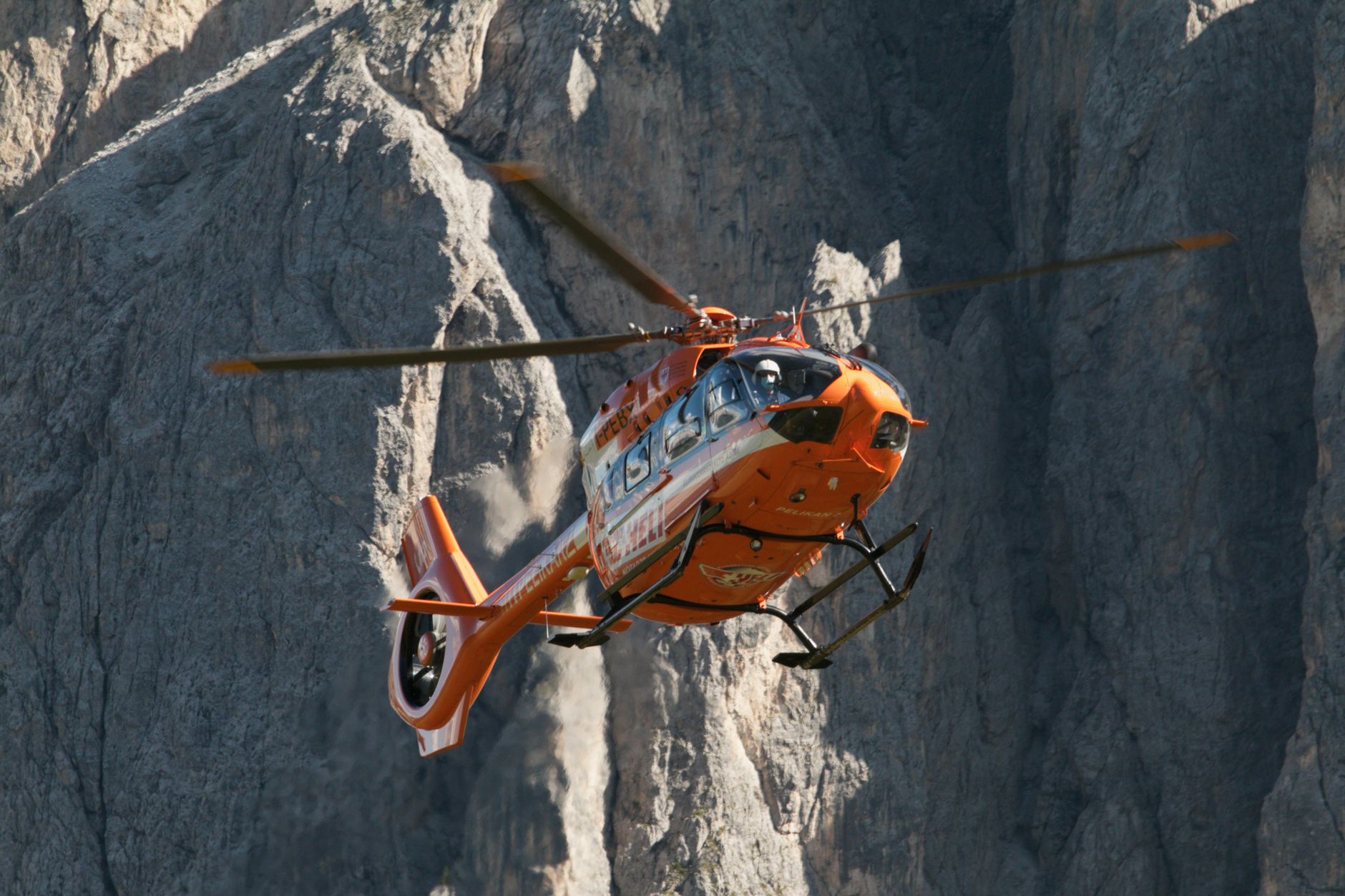
The remoteness and mountainous terrain forced one of the largest helicopter relief operations ever mounted, led by Pakistan's military with support from NATO, the US and other countries. It remains Pakistan's deadliest natural disaster on record and led to reforms in the country's building codes, though implementation in rural areas has stayed inconsistent.
The quake also drew attention to the seismic hazard of the wider Himalayan collision zone, where the Indian Plate continues to converge with Eurasia at several centimetres a year, storing up strain that seismologists warn could eventually release in an even larger 'great' earthquake along the range. Reconstruction in the affected districts took more than a decade and remains a benchmark case study in disaster-risk reduction for mountainous, hard-to-reach regions. International donors pledged more than five billion dollars in aid, and the response helped establish Pakistan's National Disaster Management Authority, created the following year to coordinate future emergencies.