Home › Earthquake Kobe, Hyōgo, Japan
1995 Kobe Earthquake (M6.9) — Japan's Costliest Modern Disaster
M 6.9Magnitude
17 Jan 1995Date
6,434Deaths
| Field | Data |
|---|
| Magnitude | 6.9 Mw (7.3 MJMA) |
| Date & time | 17 Jan 1995, 5:46 a.m. local |
| Depth | ~16 km |
| Fault | Nojima Fault, right-lateral strike-slip, ~40 km rupture |
| Location | Akashi Strait, near Kobe, Hyōgo Prefecture, Japan |
| Deaths | 6,434 |
| Injured | 40,000+ |
| Buildings damaged/destroyed | 200,000+ |
| Economic cost | ~$100bn (1995); reassessed up to $150-200bn |
| Legacy | K-NET seismograph network, stricter retrofit codes |
| Source | USGS, Japan Meteorological Agency |
Advertisement
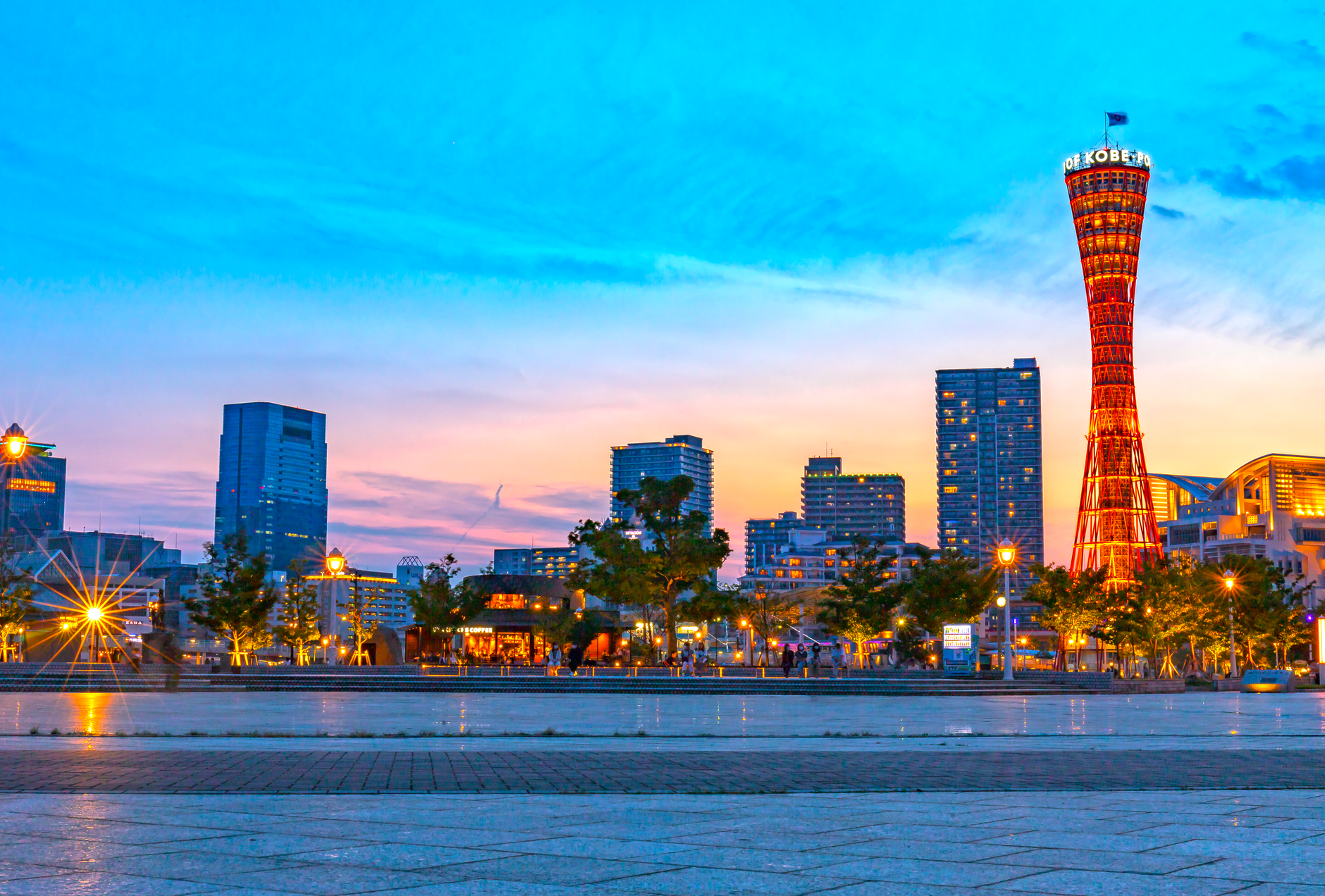
At 5:46 a.m. on 17 January 1995, a magnitude 6.9 earthquake struck southern Hyōgo Prefecture, Japan, centred on the Akashi Strait near the port city of Kobe. Known as the Great Hanshin-Awaji earthquake, it hit a densely built urban region while most residents were still asleep, at a shallow depth of around 16 km.
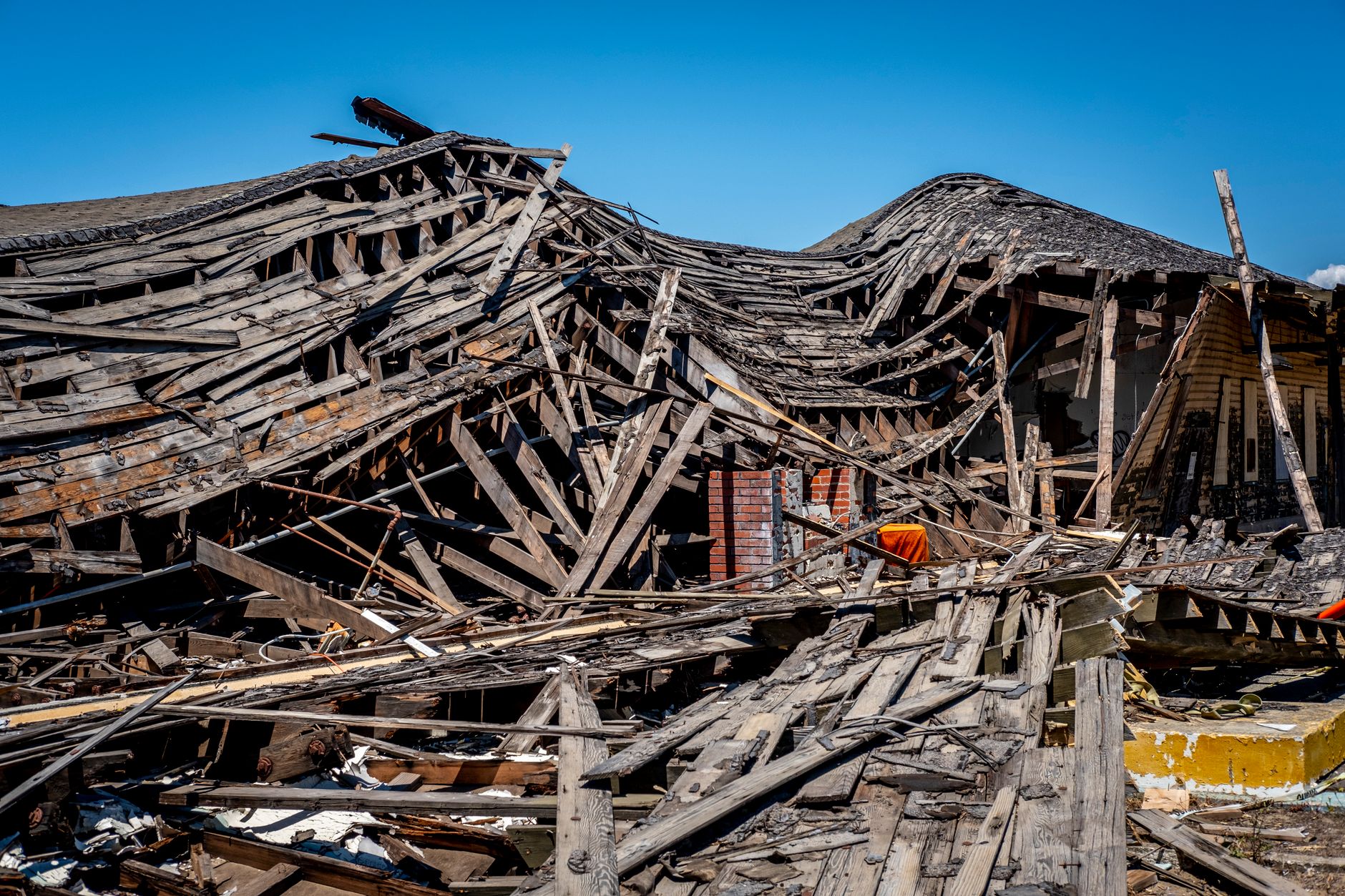
The quake killed 6,434 people and injured more than 40,000, making it Japan's deadliest earthquake since the 1923 Great Kanto disaster. More than 200,000 buildings were damaged or destroyed, elevated expressways famously toppled onto their sides, and fires — fed by ruptured gas lines — burned through wooden neighbourhoods for days, echoing the 1923 firestorms.
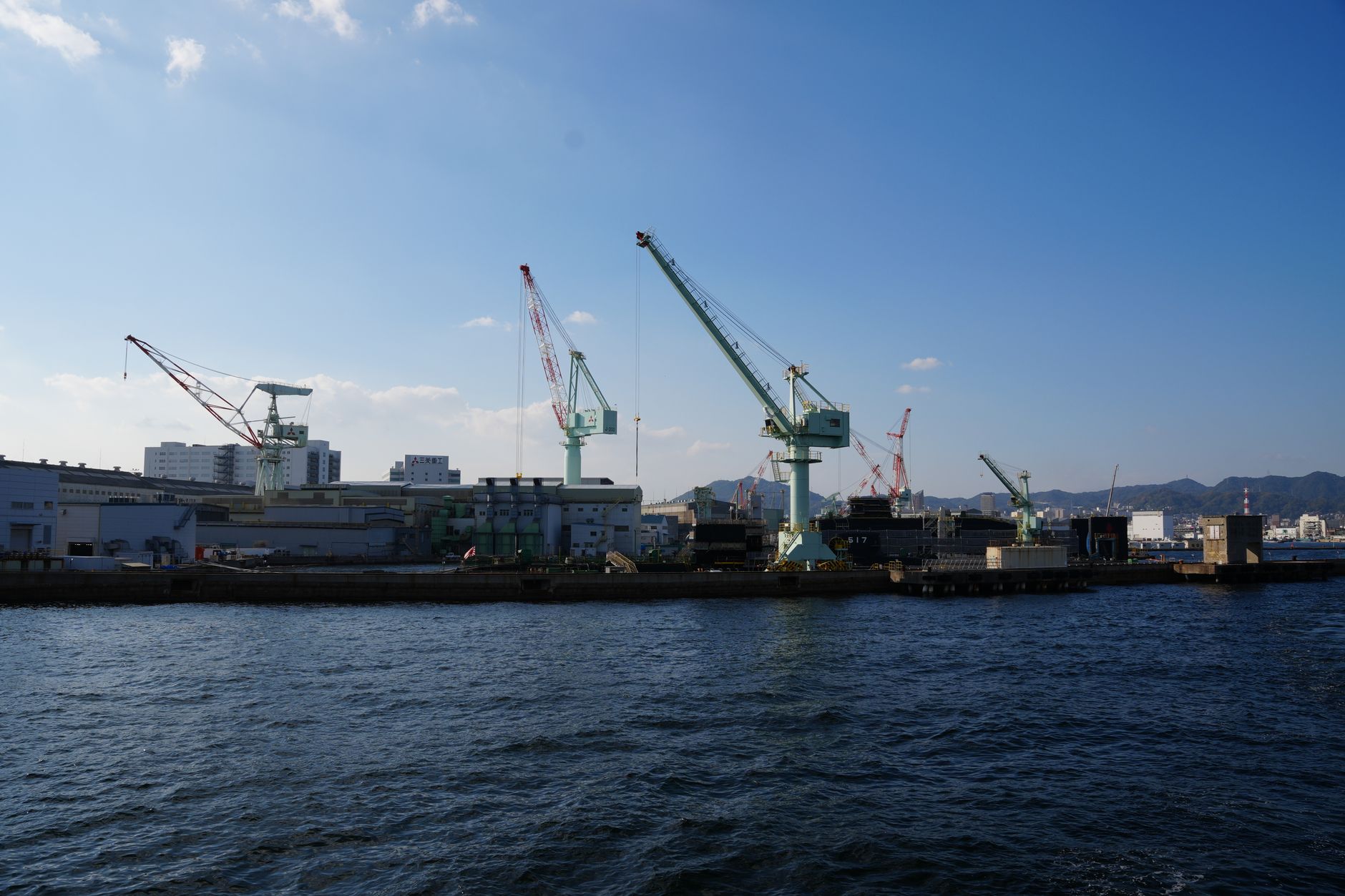
The economic cost was staggering for the time: estimates put total damage at roughly $100 billion (around 10 trillion yen), equivalent to about 2.5% of Japan's entire GDP that year, making it briefly the costliest natural disaster in recorded history until later events surpassed it. The Kobe port, then one of the world's busiest, took years to fully recover its shipping volumes.
The disaster exposed serious gaps in Japan's disaster response and building codes despite the country's reputation for earthquake preparedness, prompting sweeping reforms: stricter seismic retrofitting requirements for existing buildings, an overhaul of emergency-response coordination between national and local government, and the eventual creation of Japan's dense strong-motion seismograph network, K-NET, which now underpins the country's earthquake early-warning system.
The rupture occurred on the Nojima Fault, a shallow inland right-lateral strike-slip fault that broke roughly 40 km from the northern tip of Awaji Island through to Kobe itself — the surface trace on Awaji is preserved on-site as a fault museum. Because the source was so shallow and so close to a major city, later re-analyses put total economic losses even higher than the original ~$100 billion estimate, with some assessments in the $150–200 billion range once indirect and long-term costs are included, underlining why Kobe is still used as the benchmark case for urban earthquake risk modelling worldwide.
Frequently asked questions
Why was the Kobe earthquake so costly despite a moderate magnitude?
At M6.9 it was not exceptionally large, but its shallow ~16 km depth and epicentre right next to a dense industrial port city concentrated the shaking directly under Kobe, causing catastrophic building and infrastructure failure and roughly $100 billion in 1995-dollar losses — briefly the costliest natural disaster on record.
What fault caused the 1995 Kobe earthquake?
The Nojima Fault, a shallow right-lateral strike-slip fault that ruptured about 40 km from the northern end of Awaji Island through to Kobe. The surface rupture on Awaji is preserved as an on-site fault museum today.
How many people died in the Kobe earthquake?
Official figures list 6,434 deaths and more than 40,000 injured, making it Japan's deadliest earthquake since the 1923 Great Kanto earthquake.
Why did elevated highways collapse in the Kobe earthquake?
Many of Kobe's elevated expressways and rail viaducts, built before Japan tightened seismic codes, had support columns that failed under the shallow, high-intensity shaking, causing entire sections to topple onto their sides — images that became iconic of the disaster.
What building-code changes followed the Kobe earthquake?
Japan introduced far stricter seismic retrofitting requirements for existing structures, overhauled coordination between national and local emergency response, and built the dense K-NET strong-motion seismograph network that now underpins the country's earthquake early-warning system.
How deep was the Kobe earthquake?
USGS and Japanese seismic networks place the hypocentre at around 16 km deep — shallow enough that the energy reached the densely built surface above with little attenuation.
Is Kobe still at risk from the Nojima Fault today?
The Nojima Fault segment that ruptured in 1995 is considered to have released most of its accumulated stress, but the wider Hyōgo region sits within Japan's dense network of active faults and remains under continuous seismic monitoring.
Advertisement
See the biggest earthquakes →