At 3:32 a.m. local time on 6 April 2009, a magnitude 6.3 earthquake struck the city of L'Aquila and the surrounding Abruzzo region of central Italy, at a shallow depth of about 9.5 km. The quake followed weeks of smaller tremors that had already unsettled residents, some of whom were sleeping outdoors or in cars on the night it struck.
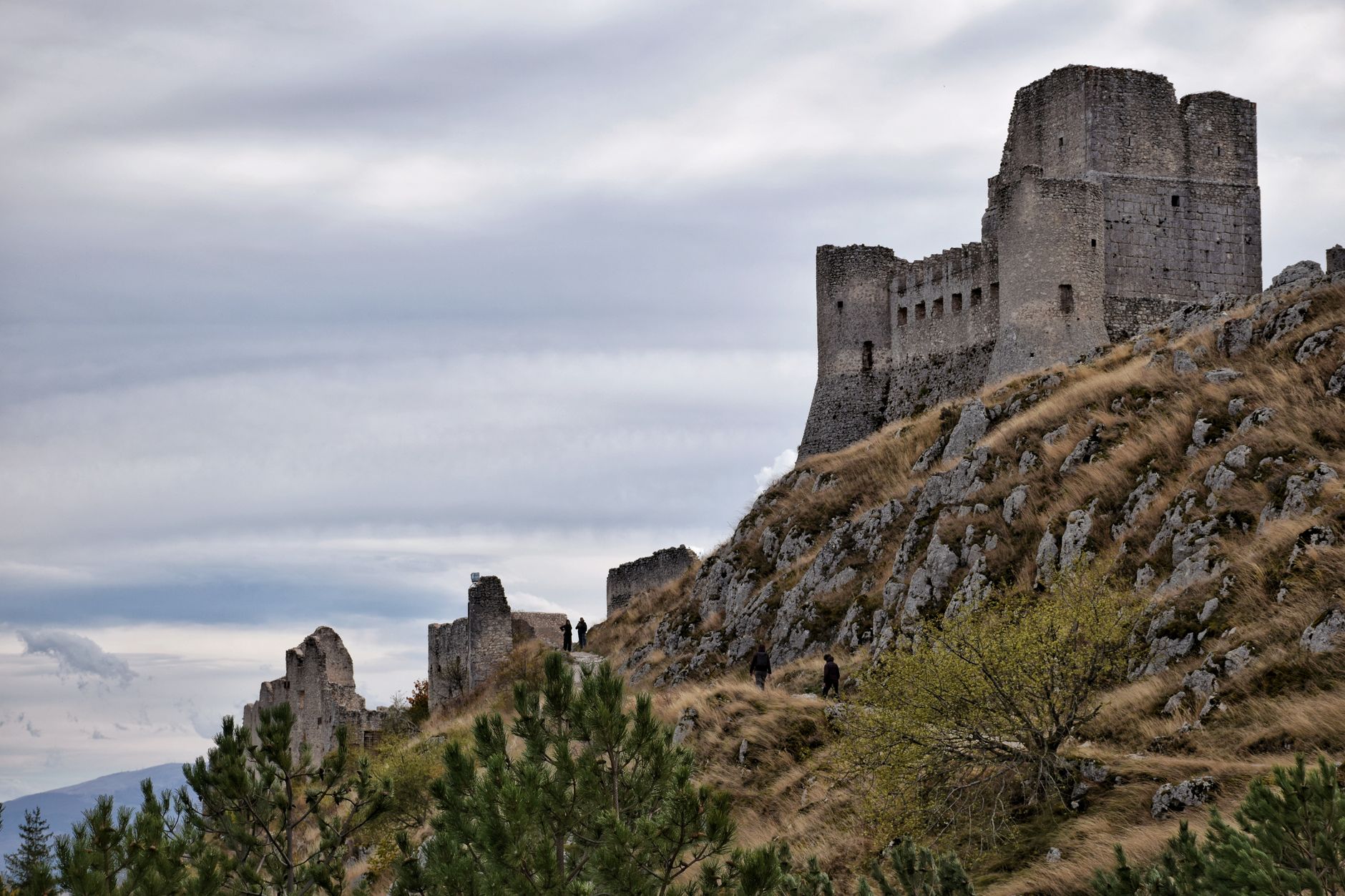
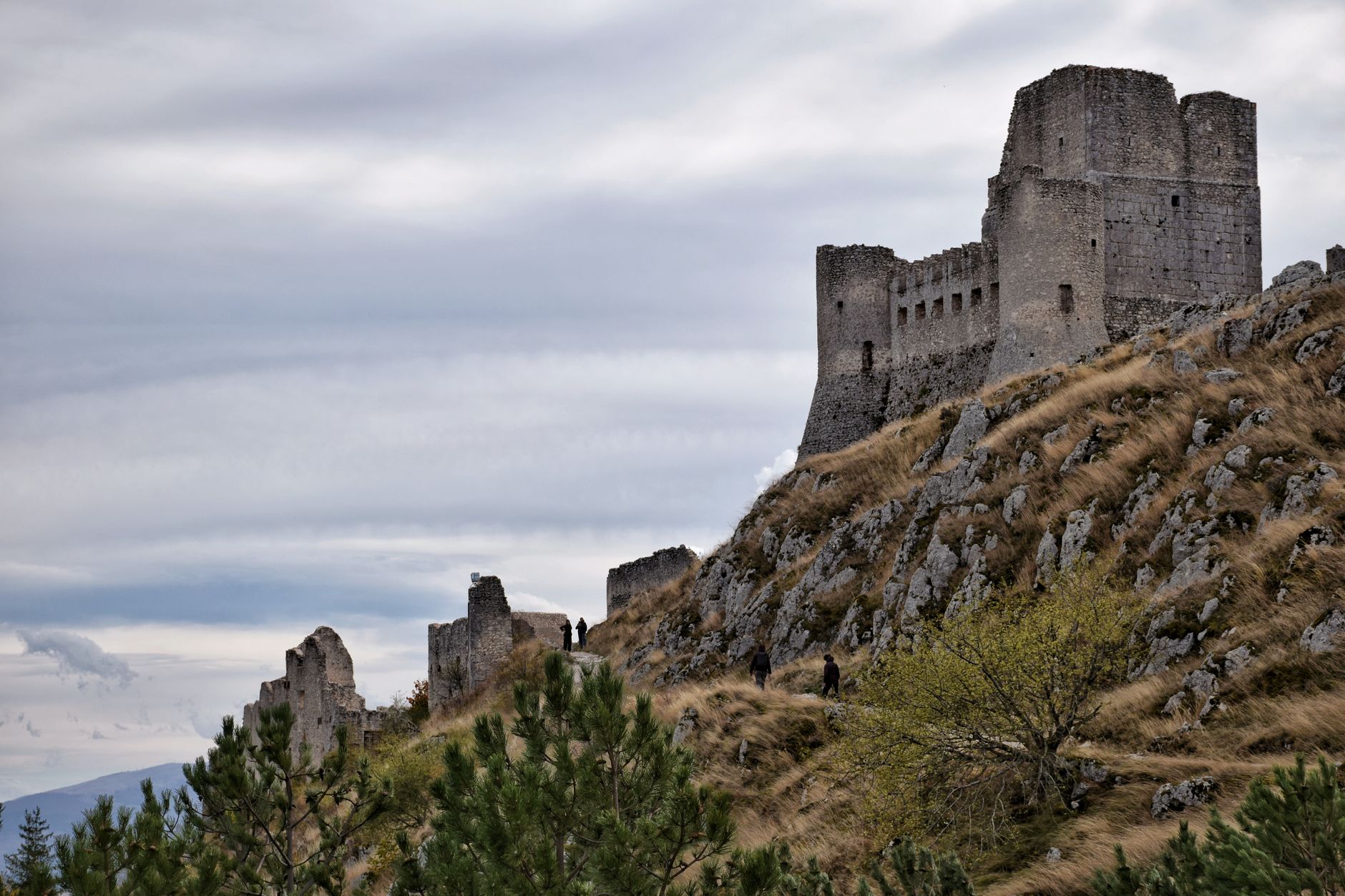
The earthquake killed 309 people across 19 towns and villages, injured around 1,500, and left roughly 65,000–67,000 people homeless. L'Aquila's historic centre, built largely of older masonry, suffered the heaviest damage — landmark buildings including the Basilica of Santa Maria di Collemaggio and the city's medieval castle were badly damaged, and about 100,000 buildings across the region were affected.
The disaster became internationally notorious for what followed: seven members of Italy's national risk-assessment commission were convicted of manslaughter in 2012 for downplaying the risk of a major quake at a meeting held days before it struck, a verdict that was mostly overturned on appeal in 2014 but that sparked a global debate over how scientists should communicate uncertainty to the public.
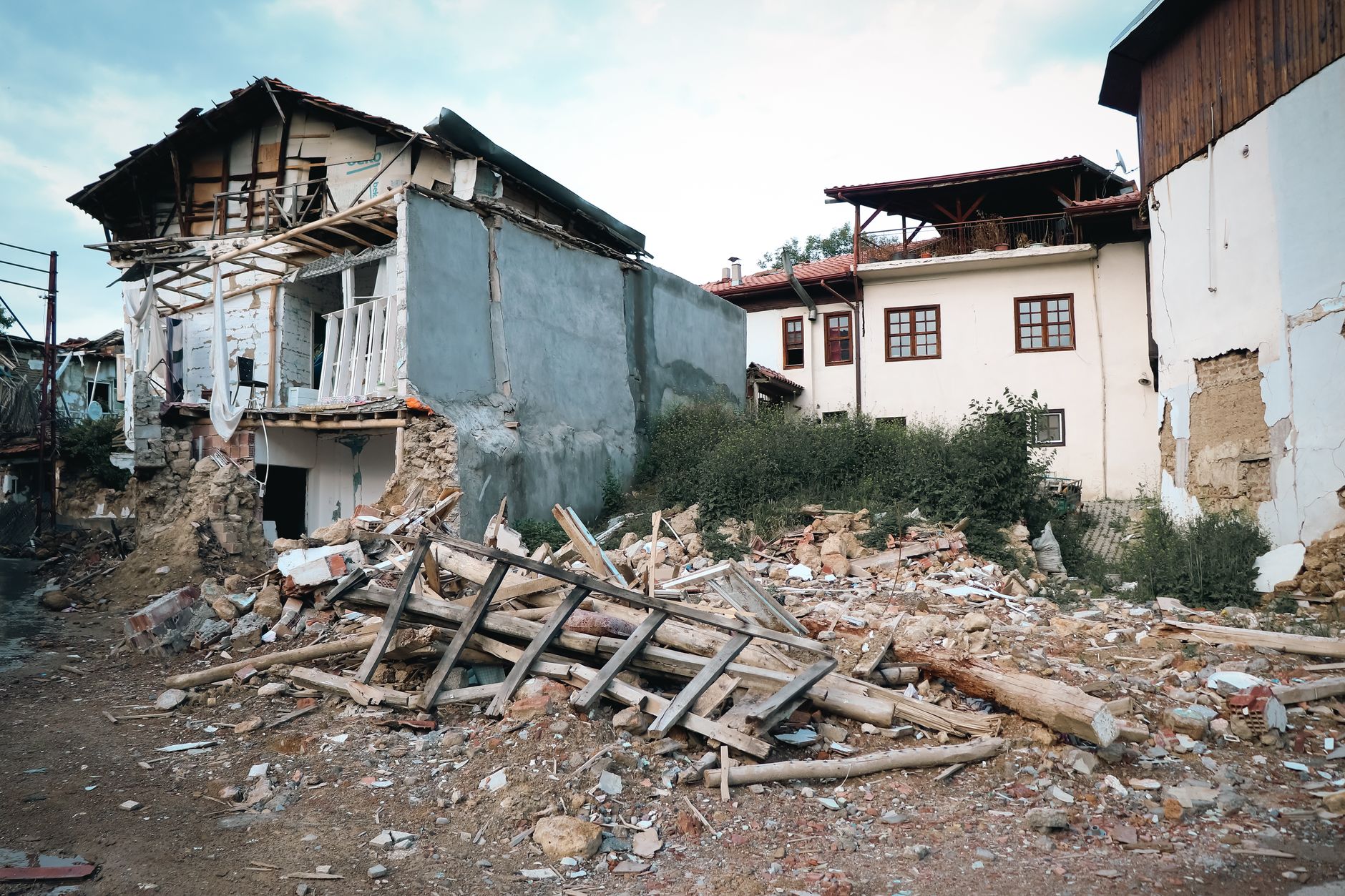
L'Aquila's reconstruction dragged on for well over a decade, with much of the historic centre closed off behind scaffolding for years. The earthquake remains Italy's deadliest since the 1980 Irpinia quake and a defining case study — both in seismic engineering and in the ethics of hazard communication — for the Istituto Nazionale di Geofisica e Vulcanologia (INGV), which continues to monitor the central Apennines' active fault systems.