On the morning of 1 November 1755 — All Saints' Day — a colossal earthquake estimated at magnitude 8.5 or higher struck off the coast of Portugal, destroying Lisbon. A tsunami and days-long fires followed, and estimates of the dead range from 12,000 to 50,000.
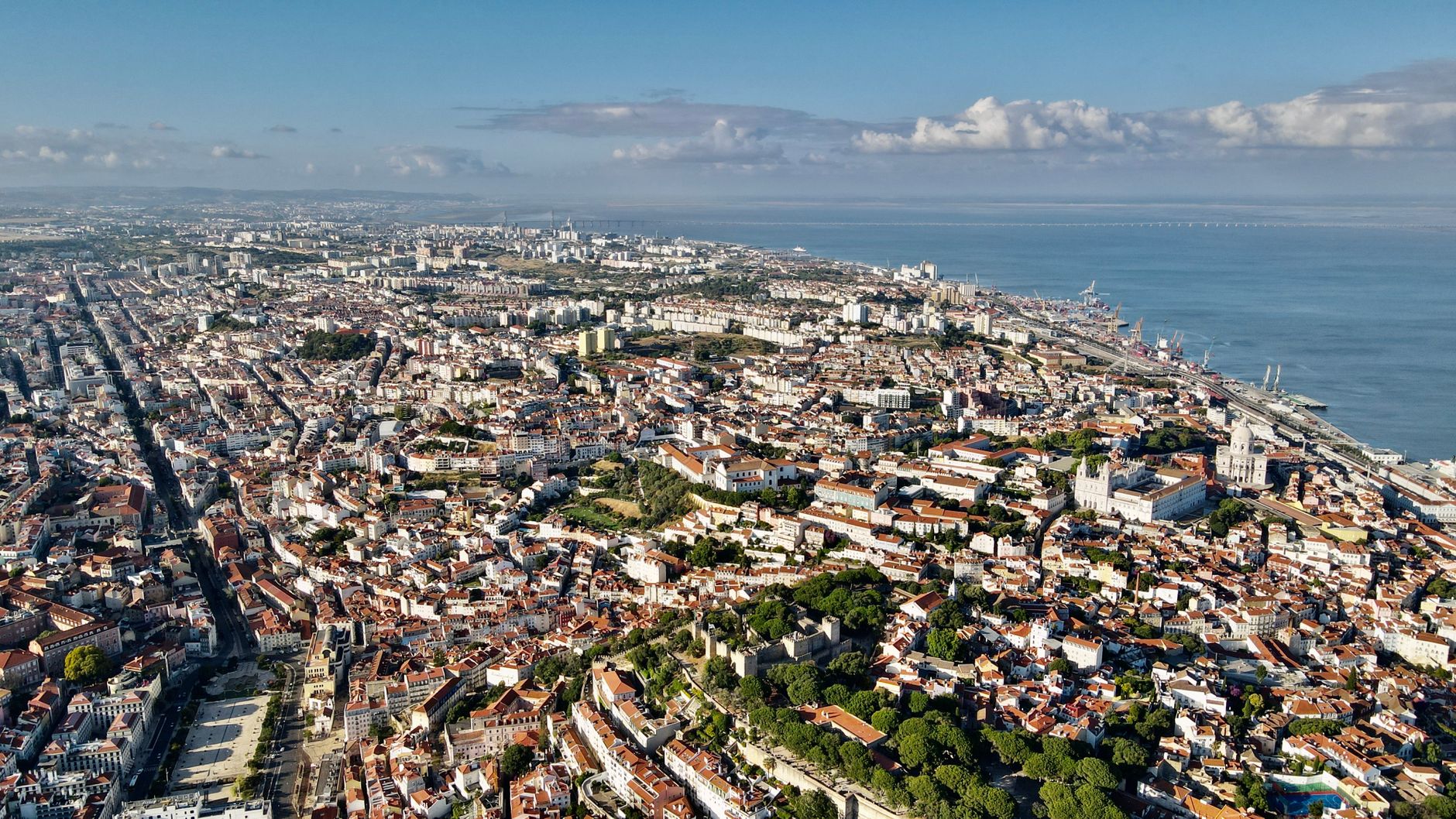
Because it fell on a major religious holiday, churches full of worshippers collapsed, and the disaster shook Enlightenment Europe philosophically as much as physically. It prompted some of the first scientific and state-led responses to a natural catastrophe.

The Lisbon earthquake is often called the birth of modern seismology and disaster management. Portugal's minister Pombal famously ordered a systematic survey of the damage — an early attempt to study an earthquake scientifically rather than see it purely as divine punishment.
