At 12:29 a.m. local time on 23 December 1972, a magnitude 6.3 earthquake struck just north of Managua, Nicaragua's capital, at a shallow depth of about 10 km on a fault running directly beneath the city. Two strong aftershocks, magnitude 5.0 and 5.2, followed within the hour, deepening the panic and damage.
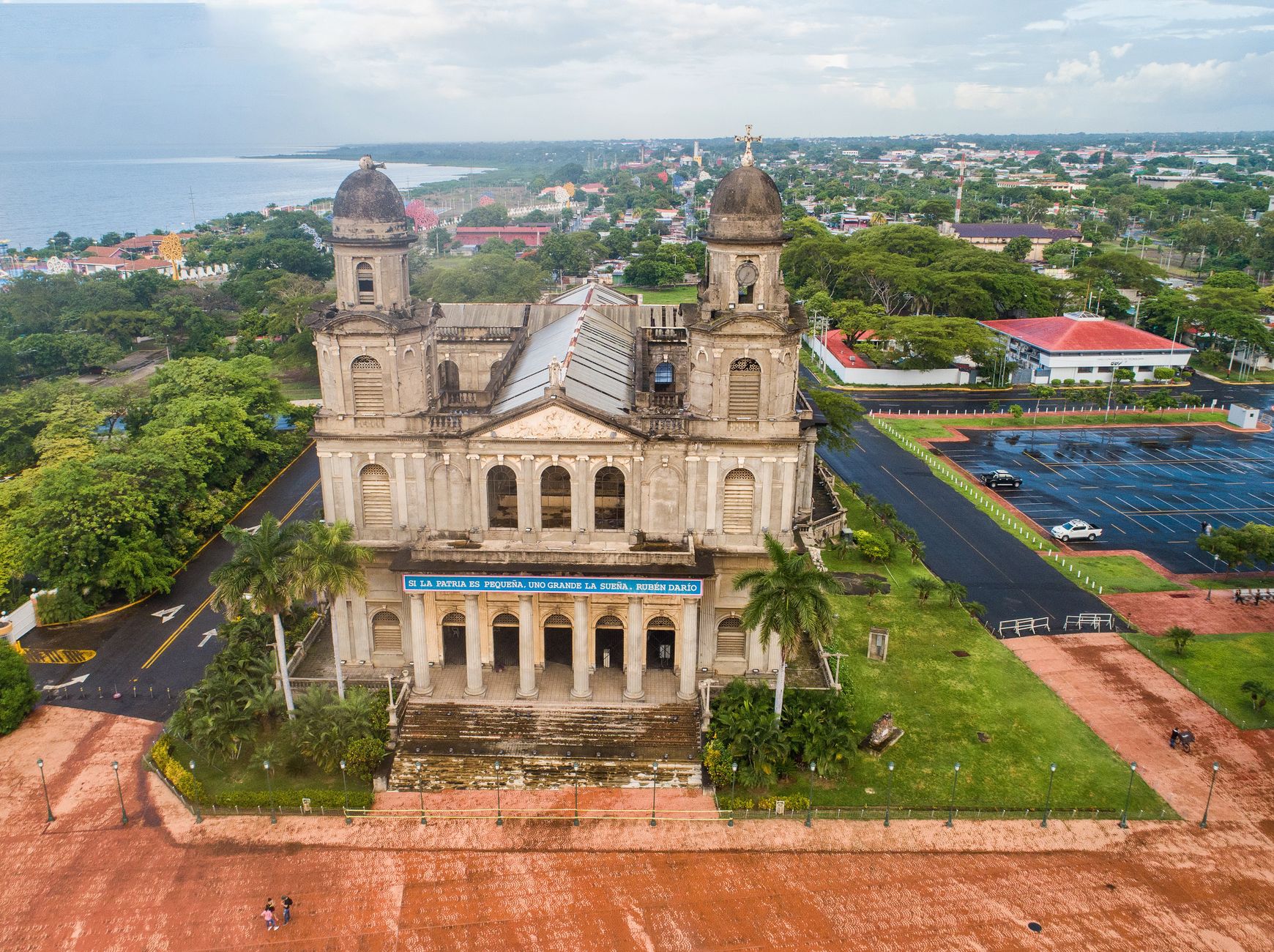
Despite its moderate magnitude, the shallow, near-urban rupture devastated the city centre. Estimates of the dead range from about 4,000 to 11,000, with roughly 5,000 of Managua's 400,000 residents killed, another 20,000 injured, and some 250,000 left homeless — over half the population displaced.
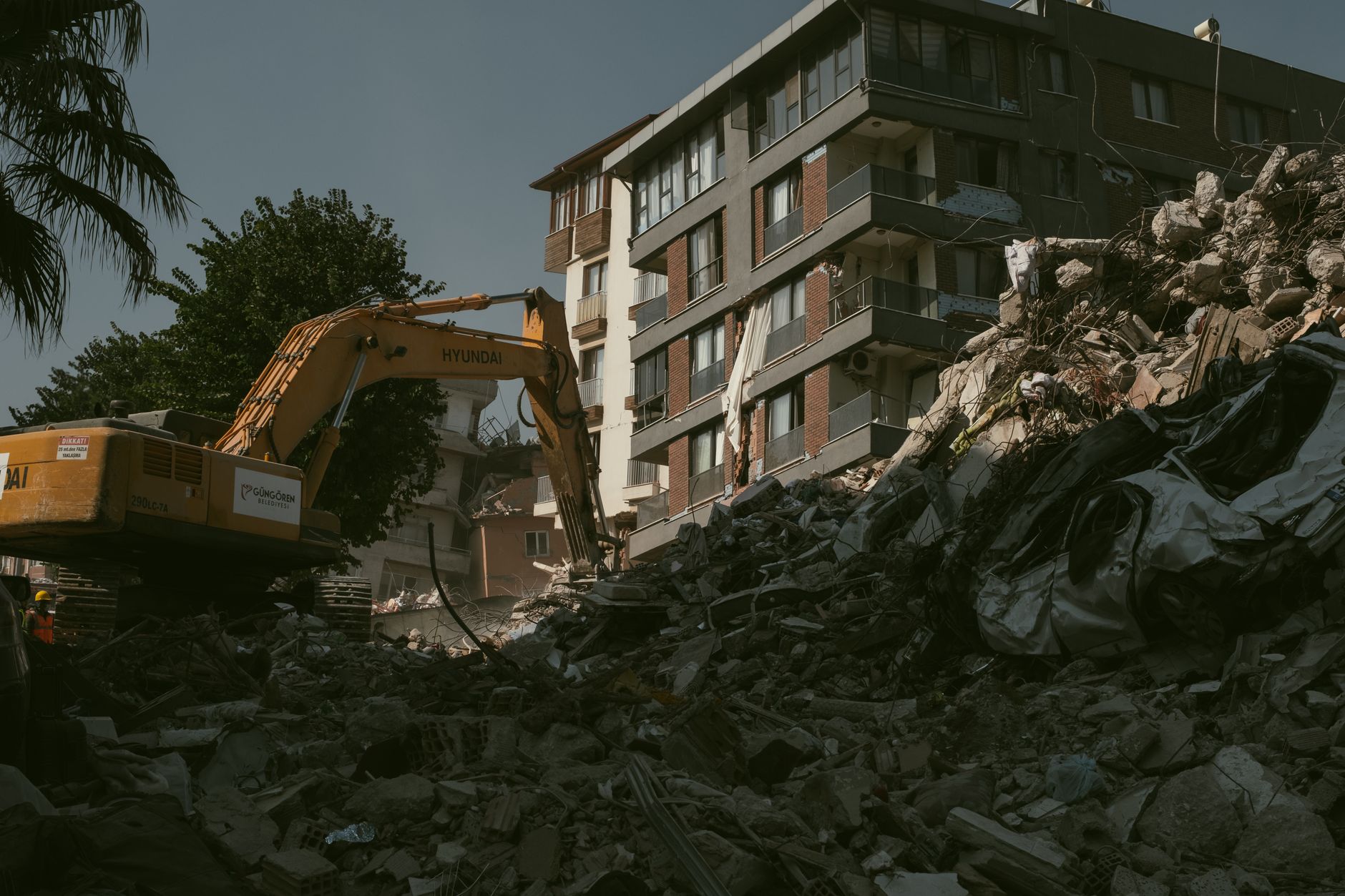
USGS studies found the quake ruptured several short faults threading directly under downtown Managua, an area not previously recognised as high-hazard. Around 90% of the commercial core was destroyed or unusable, including the National Palace and cathedral, and fires that followed the shaking burned for days after water mains also failed.
Reconstruction stalled for years amid political turmoil, and much of downtown Managua was never rebuilt on its original street plan — decades later, large areas of the historic centre remained empty lots. The disaster is still cited by USGS and Central American seismologists as a case study in the outsized damage a moderate, shallow, near-city earthquake can cause compared with a larger but more distant one.