At 5:20 a.m. on 28 December 1908, a magnitude 7.1 earthquake struck the Strait of Messina, the narrow channel separating Sicily from mainland Calabria in southern Italy. The shaking lasted around 30 to 40 seconds but was catastrophic because both Messina and Reggio Calabria, on opposite shores, were built largely of unreinforced masonry with no seismic design.
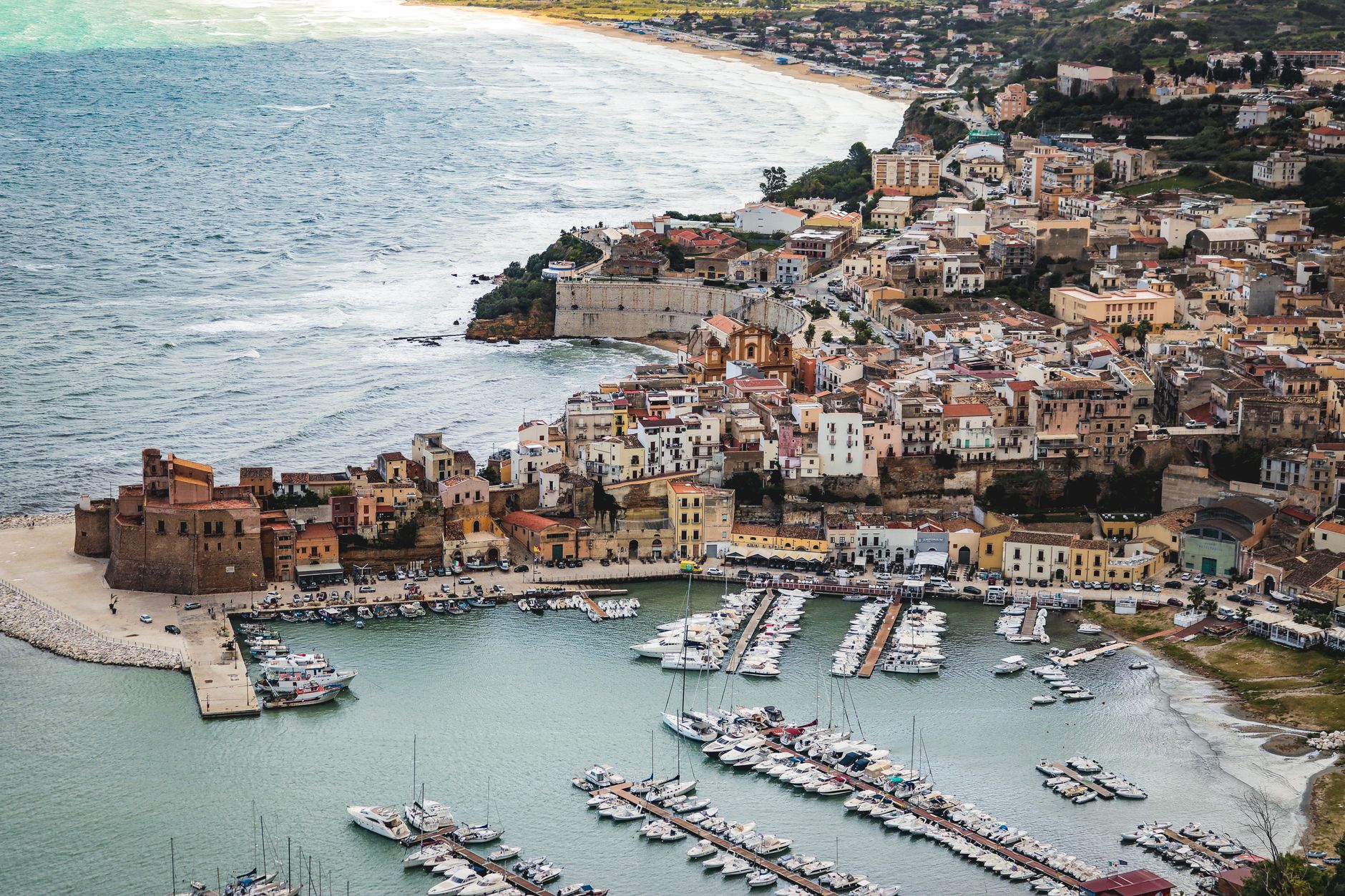
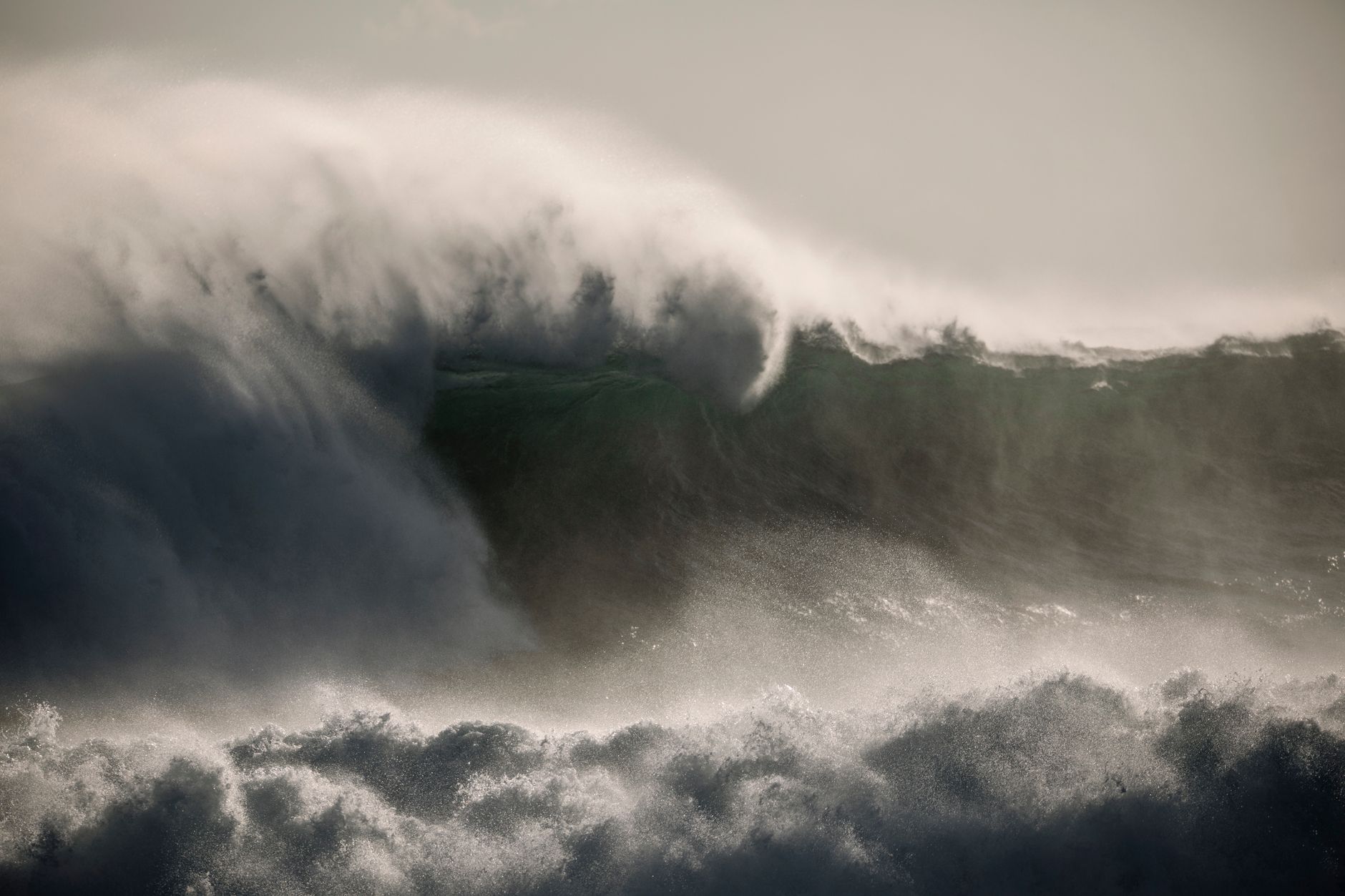
About ten minutes after the shaking stopped, the sea abruptly withdrew from the coast before surging back as a tsunami with waves up to about 12 metres, striking both sides of the strait in three successive waves and drowning many survivors who had fled to the waterfront.
Roughly 75,000 people died in Messina and its suburbs alone, with a further 25,000 or more killed in Reggio Calabria and surrounding towns — estimates for the combined death toll across the region range from about 75,000 up to 100,000 or more, making it the deadliest earthquake in recorded European history.
Ships from the Russian and Italian navies happened to be nearby and led the first rescue efforts before international aid arrived, in one of the earliest large-scale multinational disaster responses. The catastrophe forced Italy to adopt its first genuine anti-seismic building regulations in 1909 and remains the reference disaster for seismic risk in southern Italy today.
The Strait of Messina sits at the boundary between the Eurasian and African plates, one of the most seismically active corners of the Mediterranean, and the region has produced other major earthquakes both before and since 1908. The 1908 disaster remains the standard against which Italian and European seismic-risk planning is measured, and the ruined city of Messina was largely rebuilt on a new grid plan with lower, earthquake-resistant buildings. The catastrophe also spurred the founding of Italy's first dedicated seismological research institutes, laying groundwork that shaped how the country studies and prepares for earthquakes to this day.