At 6:40 p.m. local time on 15 August 2007, a magnitude 8.0 earthquake struck off the coast of central Peru, roughly 145 km south-southeast of Lima, at a depth of about 39 km. The rupture occurred on the subduction interface where the Nazca Plate dives beneath the South American Plate at roughly 77 mm per year.
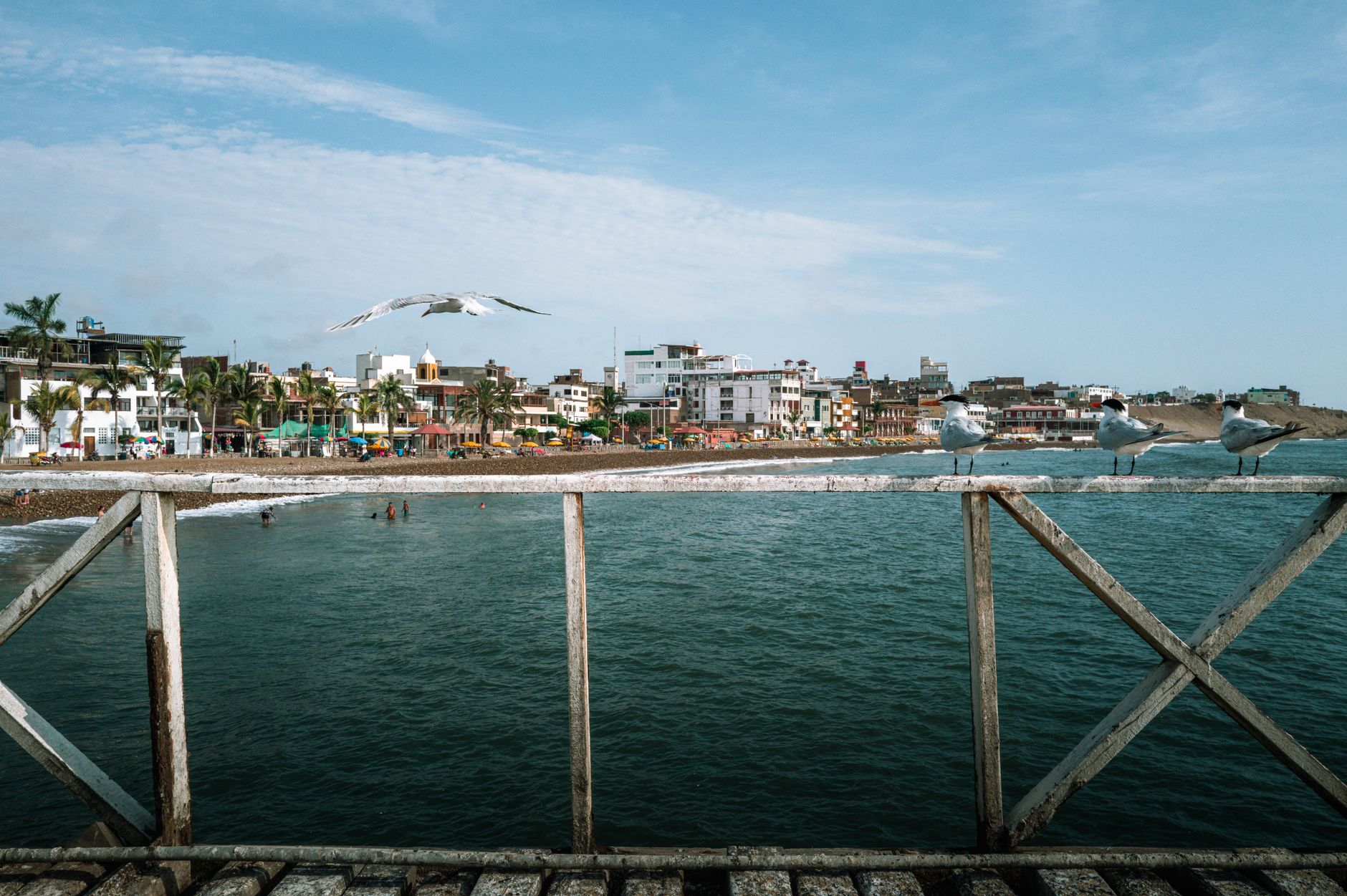
USGS and Peruvian civil-defence figures put the death toll at 519, with more than 1,300 injured; some later tallies cite up to 595 dead. The coastal city of Pisco, about 260 km southeast of Lima, suffered the worst destruction — an estimated 85% of its buildings collapsed or were badly damaged, including the historic San Clemente church, which fell during evening Mass and killed dozens of worshippers.
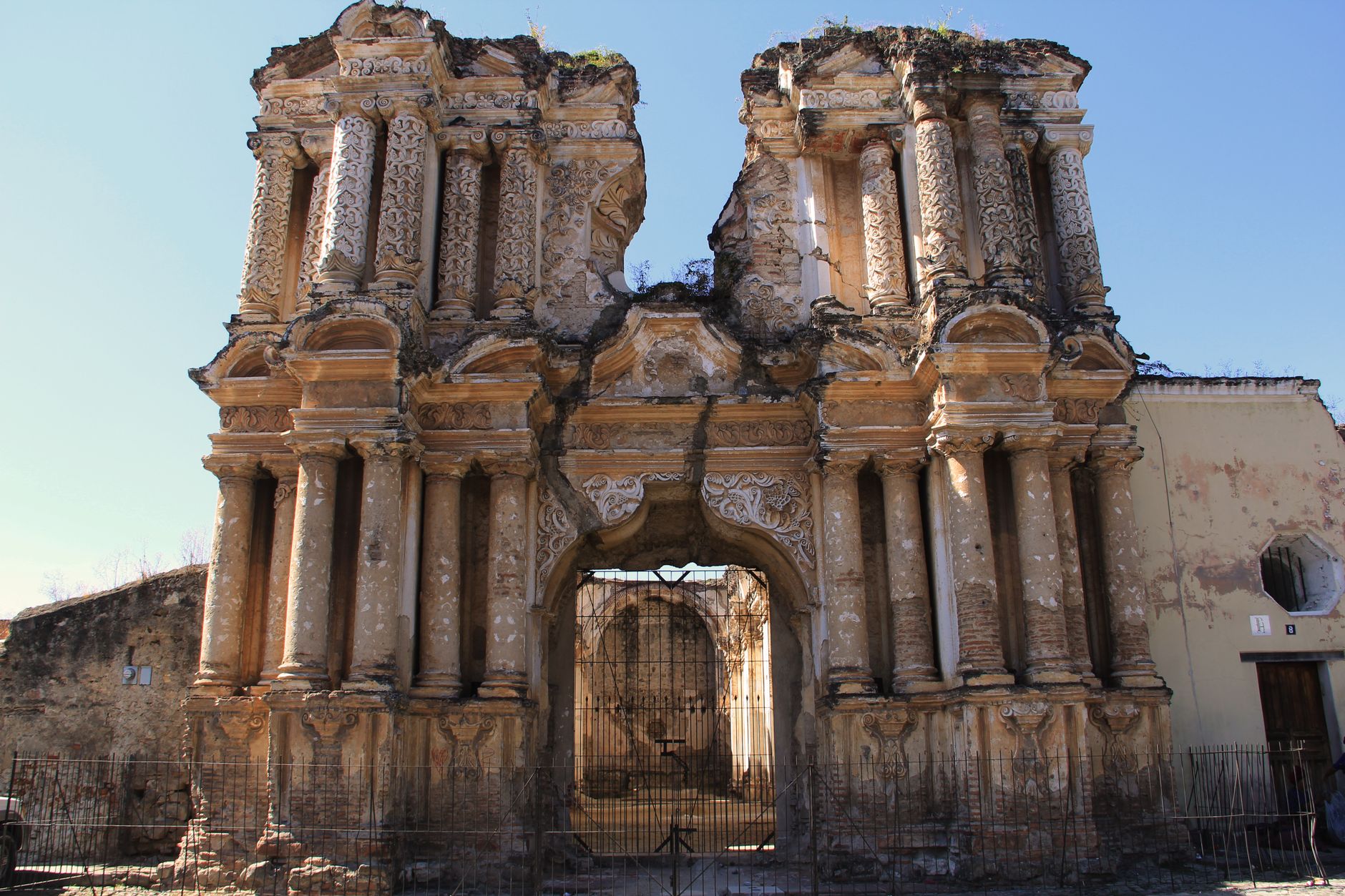
Tens of thousands of adobe and unreinforced masonry homes across the Ica region collapsed, and the quake triggered a localised tsunami with run-up of several metres along the nearby coast. Total economic losses were estimated at around $300 million, and the ports and airport serving the region were damaged, slowing the initial emergency response.
The Pisco earthquake filled a long-recognised seismic gap on Peru's central coast that scientists had flagged years earlier as overdue for a major rupture. It prompted Peru to tighten enforcement of building codes for adobe construction in coastal towns and remains a reference event for the Instituto Geofísico del Perú in assessing the hazard of the Nazca–South America subduction zone.