At 5:12 a.m. on 18 April 1906, a magnitude 7.9 earthquake ruptured roughly 477 km (296 miles) of the San Andreas Fault, from San Juan Bautista in the south to Cape Mendocino in the north. The rupture passed directly beneath San Francisco, then a city of about 400,000 people, and produced some of the strongest ground shaking ever recorded in a US city.
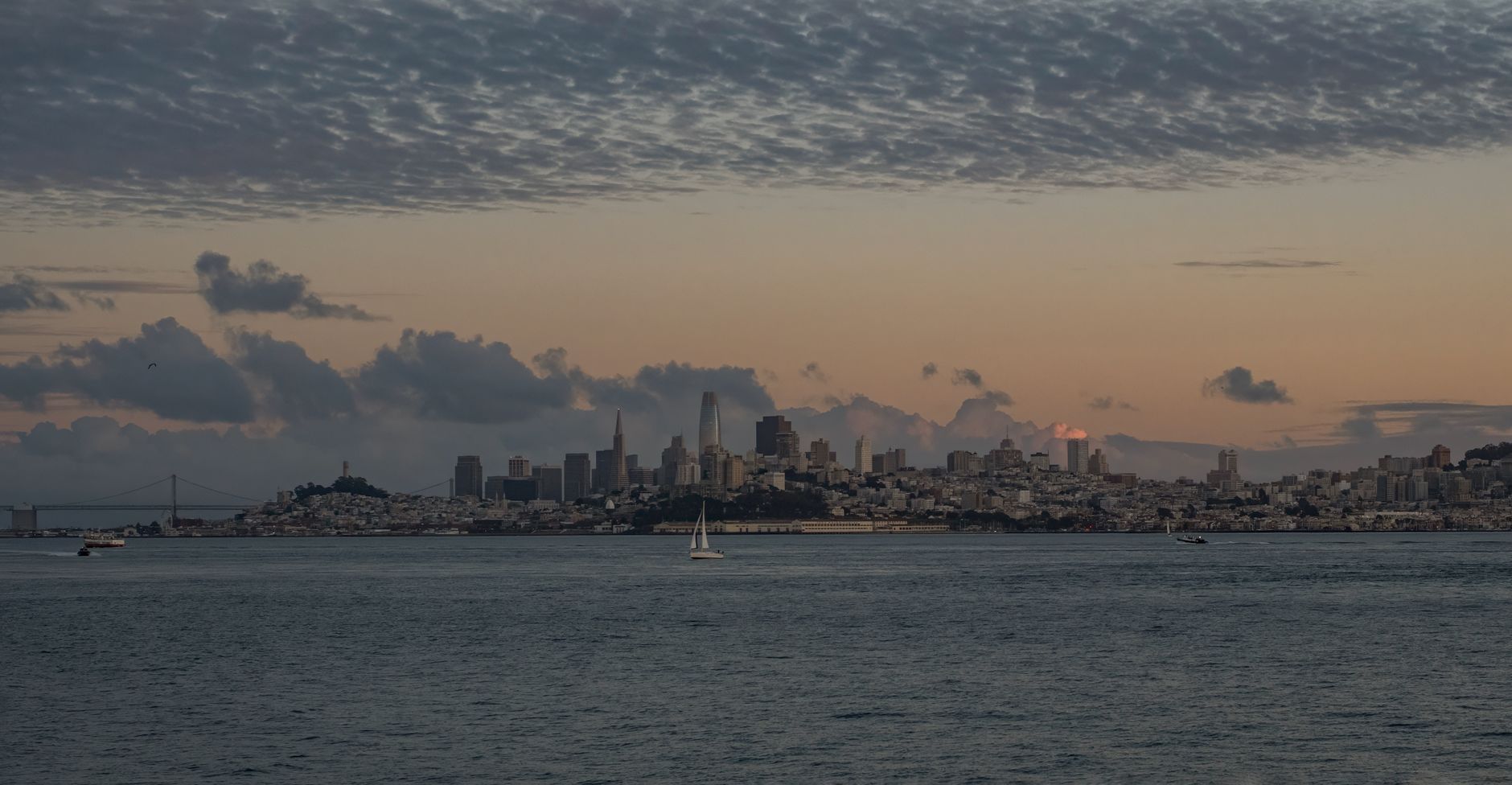
The earthquake itself lasted less than a minute, but it broke water mains across the city and ignited dozens of fires that firefighters, lacking water pressure, could not control. The fires burned for four days and destroyed far more of San Francisco — an estimated 80% of the city — than the shaking alone, razing some 28,000 buildings across nearly 500 city blocks.
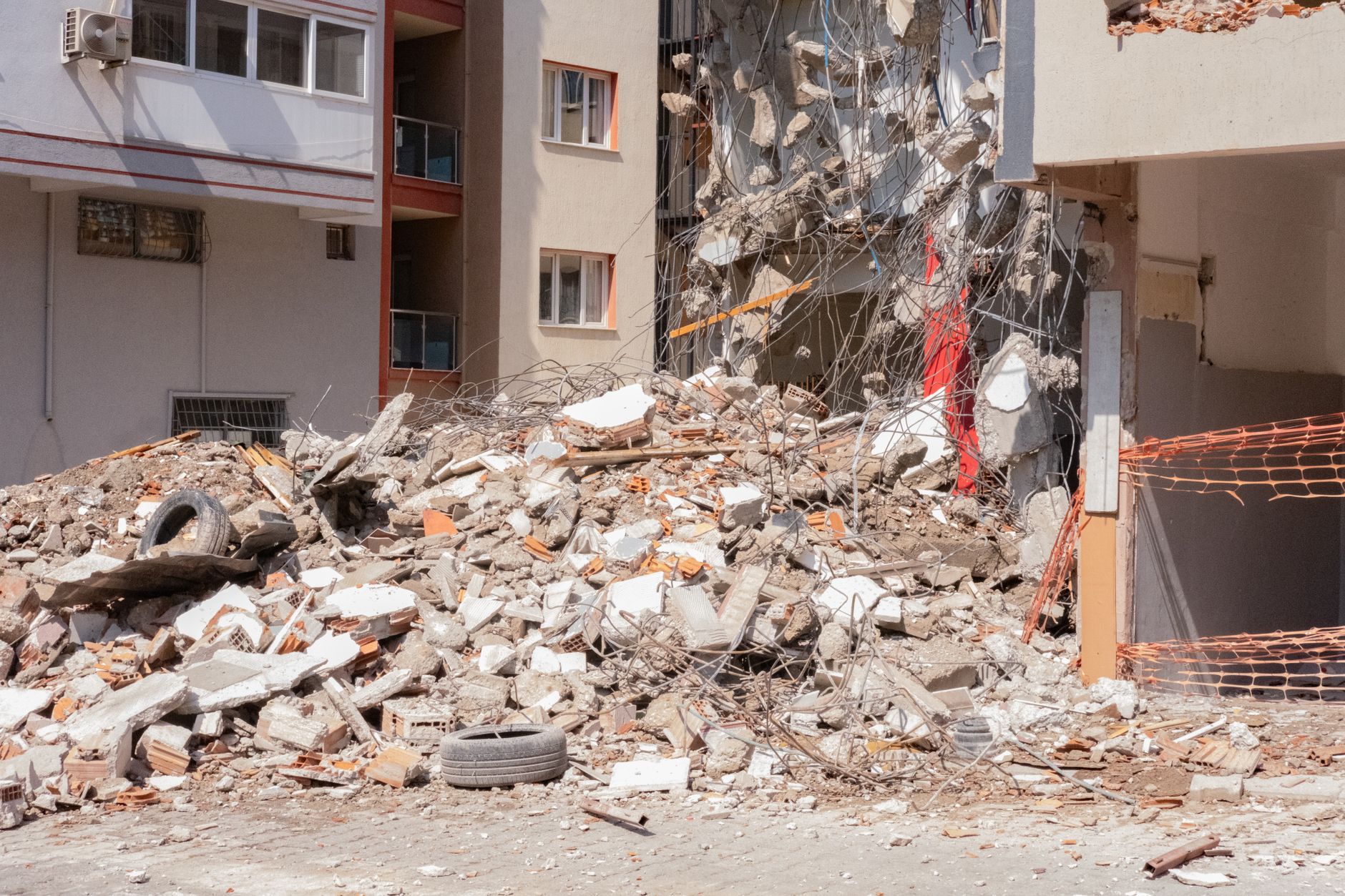
Officials at the time reported roughly 700 deaths, a figure repeated for decades. Modern historical research, led by archivist Gladys Hansen, later identified over 3,000 victims, concluding the original count had drastically undercounted deaths in Chinatown and other immigrant neighbourhoods that authorities largely ignored.
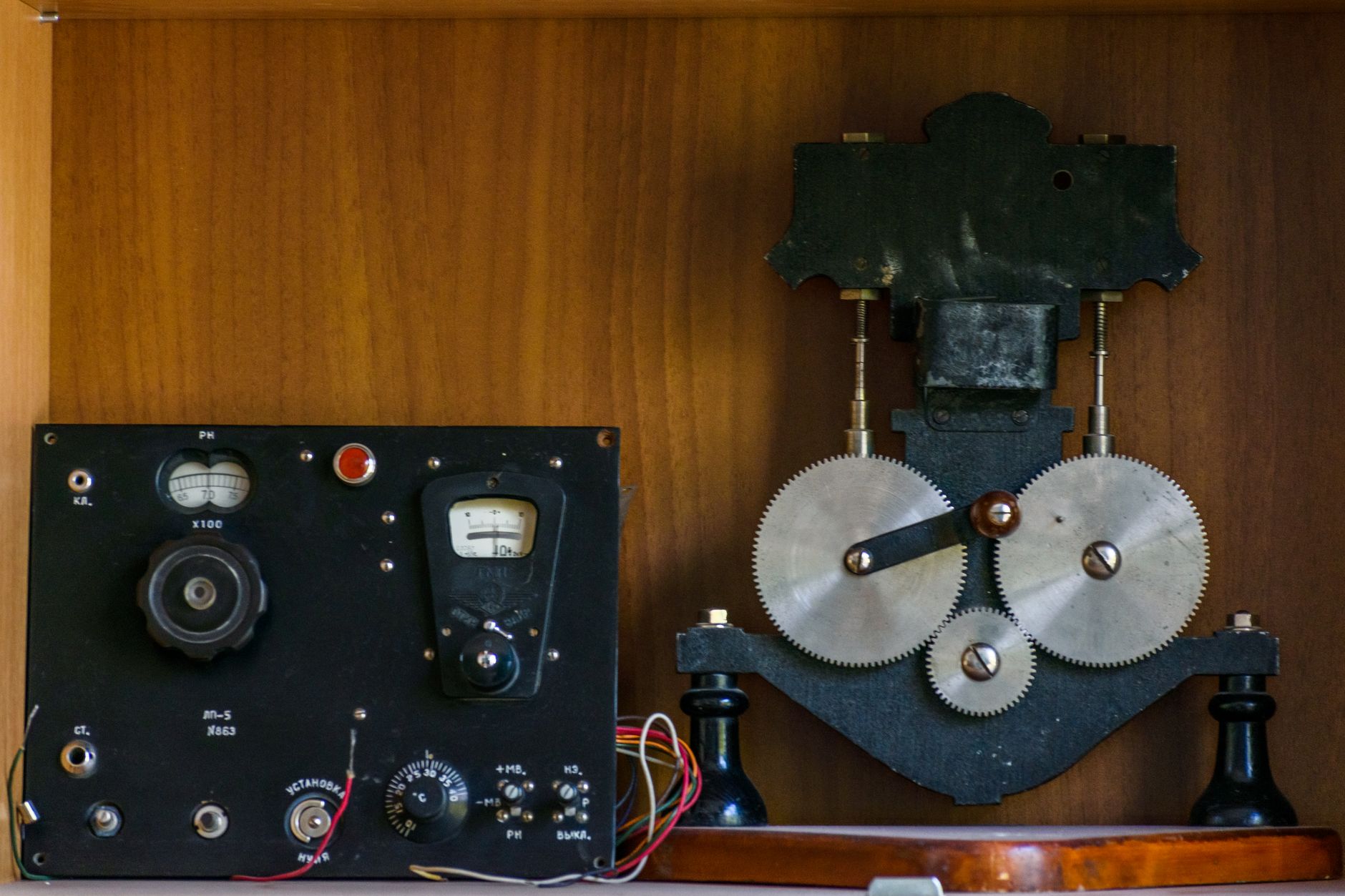
The disaster became a foundation stone of modern earthquake science. Geologist Harry Fielding Reid studied the offset ground along the fault and developed the elastic rebound theory, still the basic model for how earthquakes release stress. The catastrophe also pushed California toward its first serious building and fire codes, and the USGS still uses 1906 as the benchmark 'scenario earthquake' for San Andreas hazard planning in the Bay Area today.
The Bay Area has not seen a comparable rupture on this segment of the San Andreas since, and seismologists now estimate roughly a two-in-three chance of a magnitude 6.7 or larger earthquake striking the region in the coming decades. USGS monitoring networks and early-warning systems such as ShakeAlert trace their justification directly back to the lessons of 1906. The city's rapid rebuilding after 1906 also shaped the modern skyline of San Francisco and left it with one of the strictest seismic building codes in the United States.