At 2:28 p.m. on 12 May 2008, a magnitude 7.9 earthquake struck Sichuan province in south-western China, epicentred near Dujiangyan about 80 km northwest of the provincial capital Chengdu. It ruptured roughly 240 km of the Longmenshan Fault, where the Tibetan Plateau is thrust up over the Sichuan Basin.
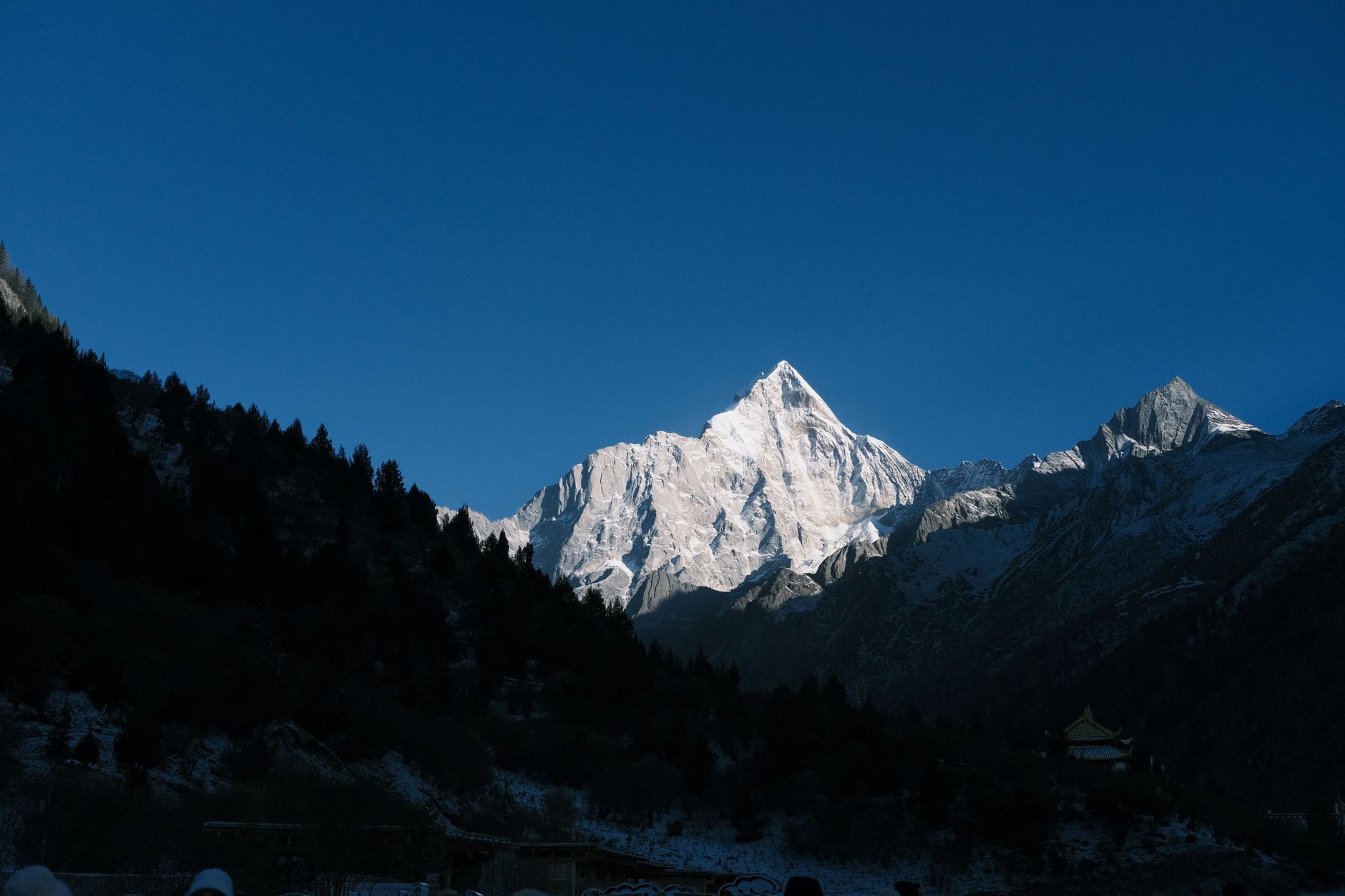
China's government confirmed 69,226 deaths, with a further 17,923 people listed missing and presumed dead — bringing the widely cited total toward 87,000. Around 374,000 people were injured and some 4.8 million left homeless across the mountainous region.
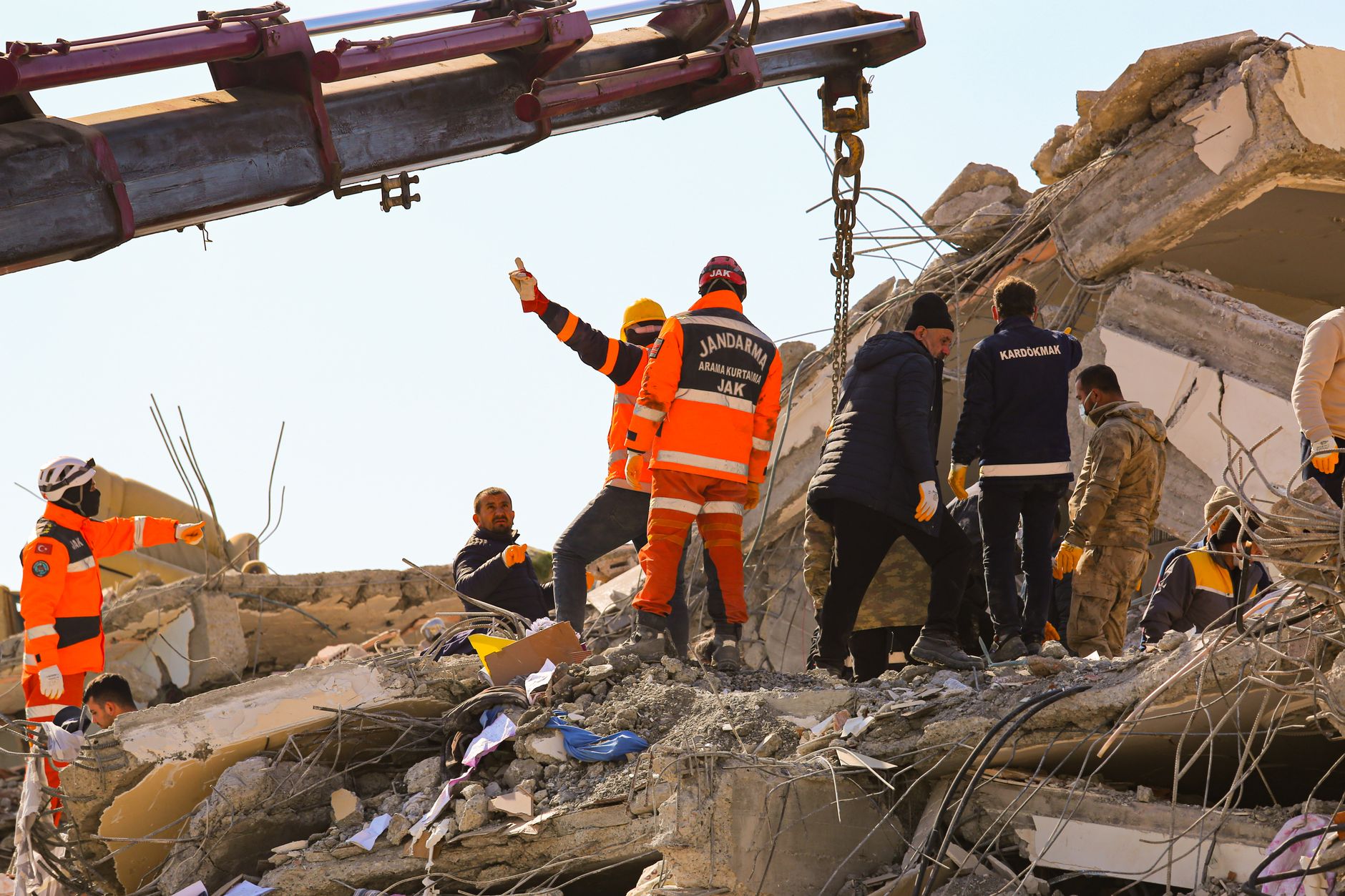
The mountainous terrain amplified the destruction: the quake triggered thousands of landslides that buried roads and villages, and it dammed rivers into unstable 'quake lakes' that threatened further flooding for weeks afterward. Public anger focused on the collapse of thousands of poorly built schools, which killed an estimated 5,000 or more students in what became known as the 'tofu-dreg' construction scandal.
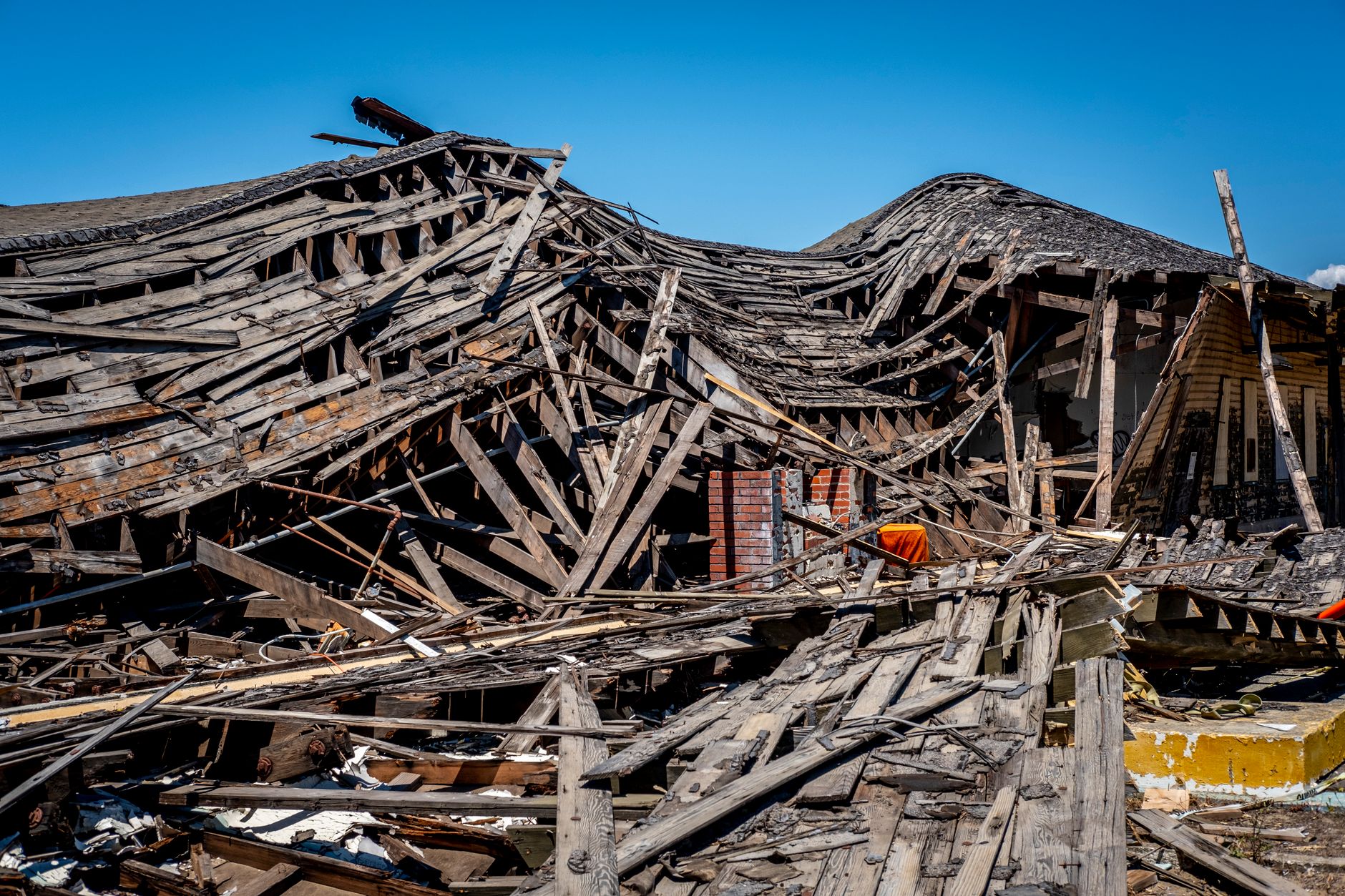
The disaster triggered one of the largest domestic relief mobilisations in Chinese history, with hundreds of thousands of troops deployed, and led to stricter school-building codes and a permanent earthquake museum built over the ruins of Beichuan, one of the towns destroyed.