At 11:41 a.m. local time on 7 December 1988, a magnitude 6.8 earthquake struck northern Armenia, then part of the Soviet Union, on a shallow fault near the town of Spitak. The rupture also devastated the nearby cities of Leninakan (now Gyumri) and Kirovakan (now Vanadzor).
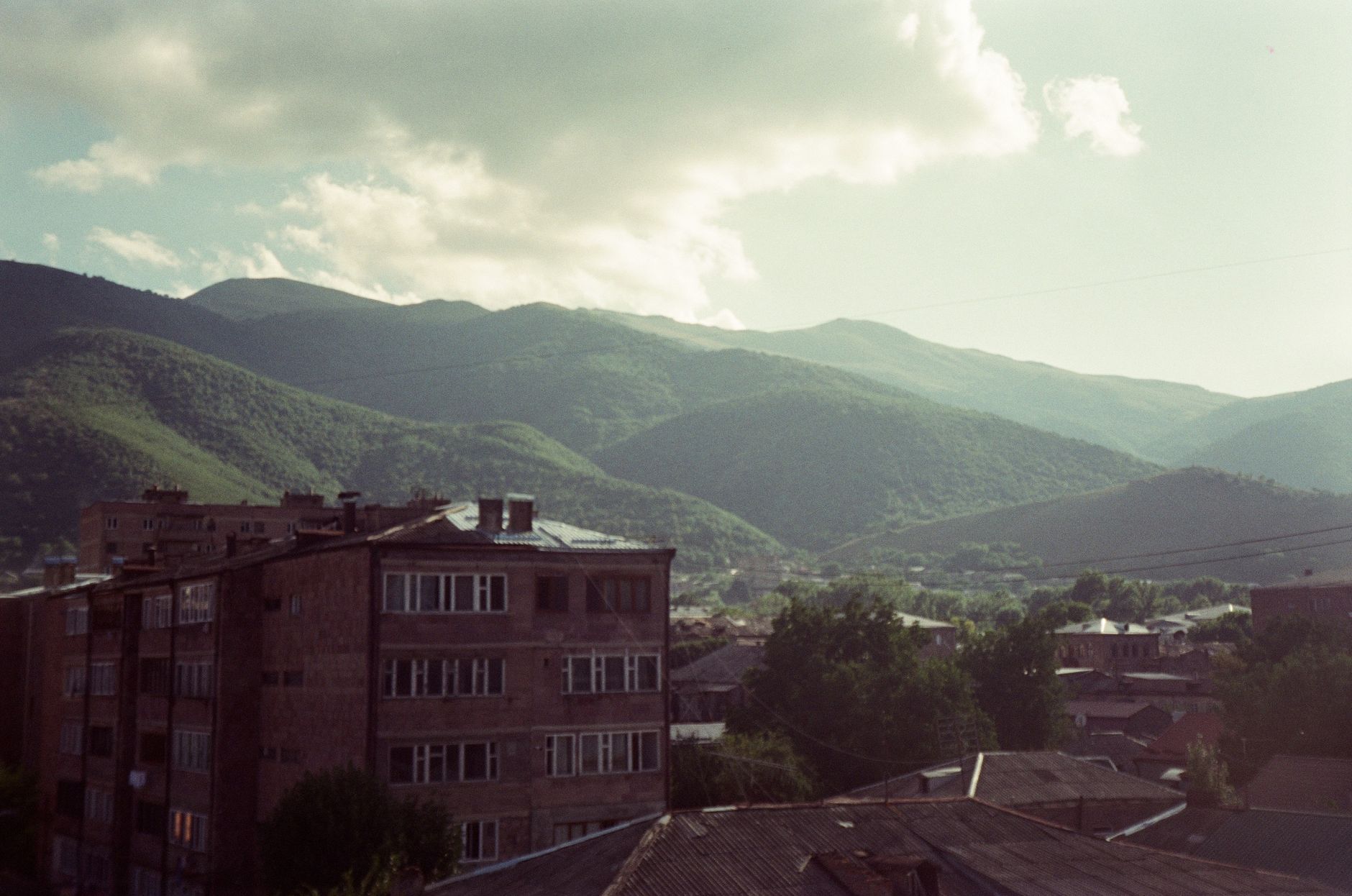
The Soviet government's official toll was about 25,000 dead, though other estimates run as high as 50,000, with roughly 130,000 injured and more than half a million people left homeless. Spitak itself was almost completely destroyed, and large parts of Leninakan, Armenia's second-largest city, collapsed.
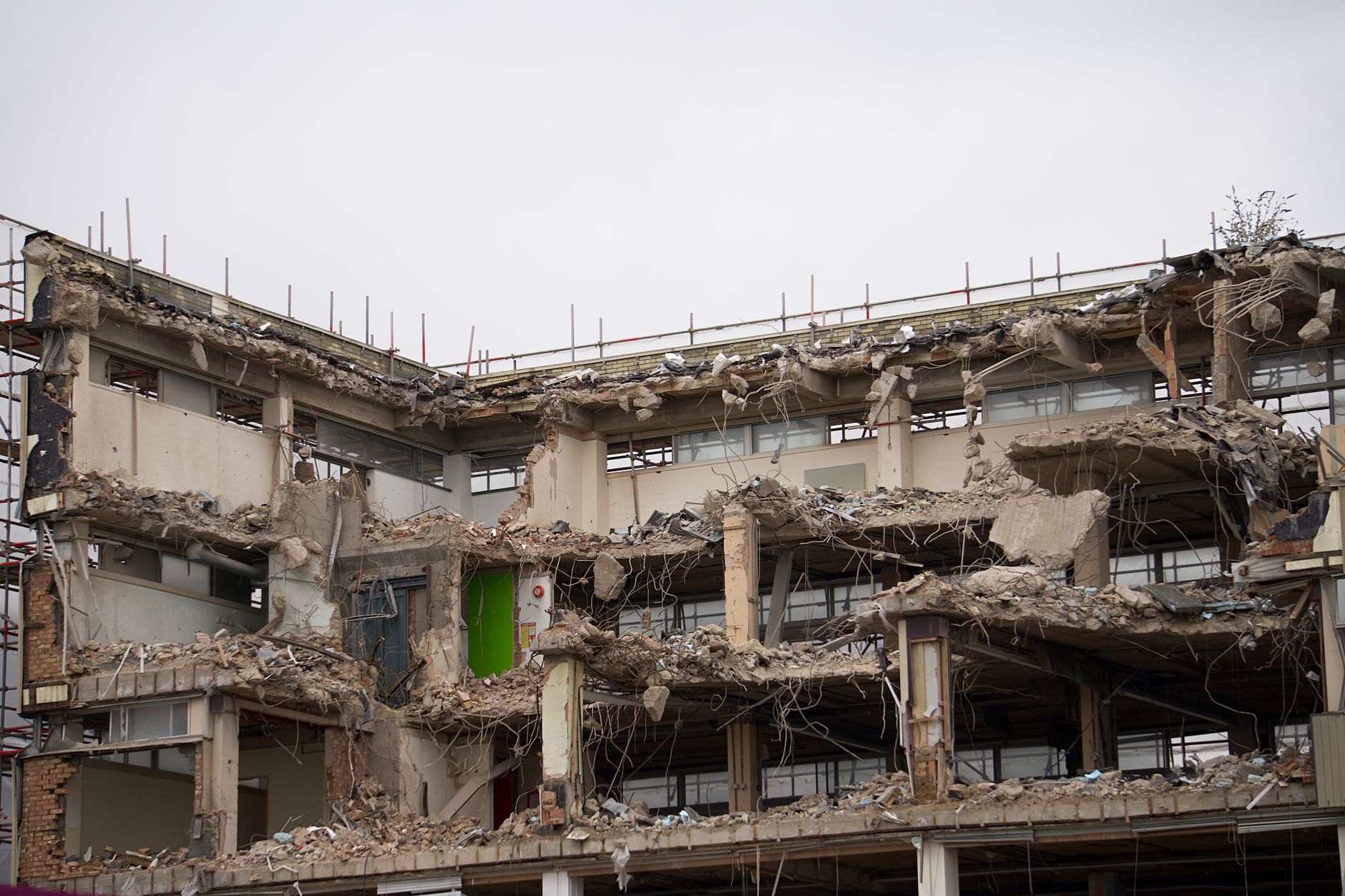
Casualties were magnified by widespread Soviet-era 'large-panel' precast concrete apartment buildings, which lacked adequate seismic reinforcement and pancaked in the shaking — a failure mode later studied extensively by earthquake engineers as a cautionary example of poor construction standards in a moderately strong quake.
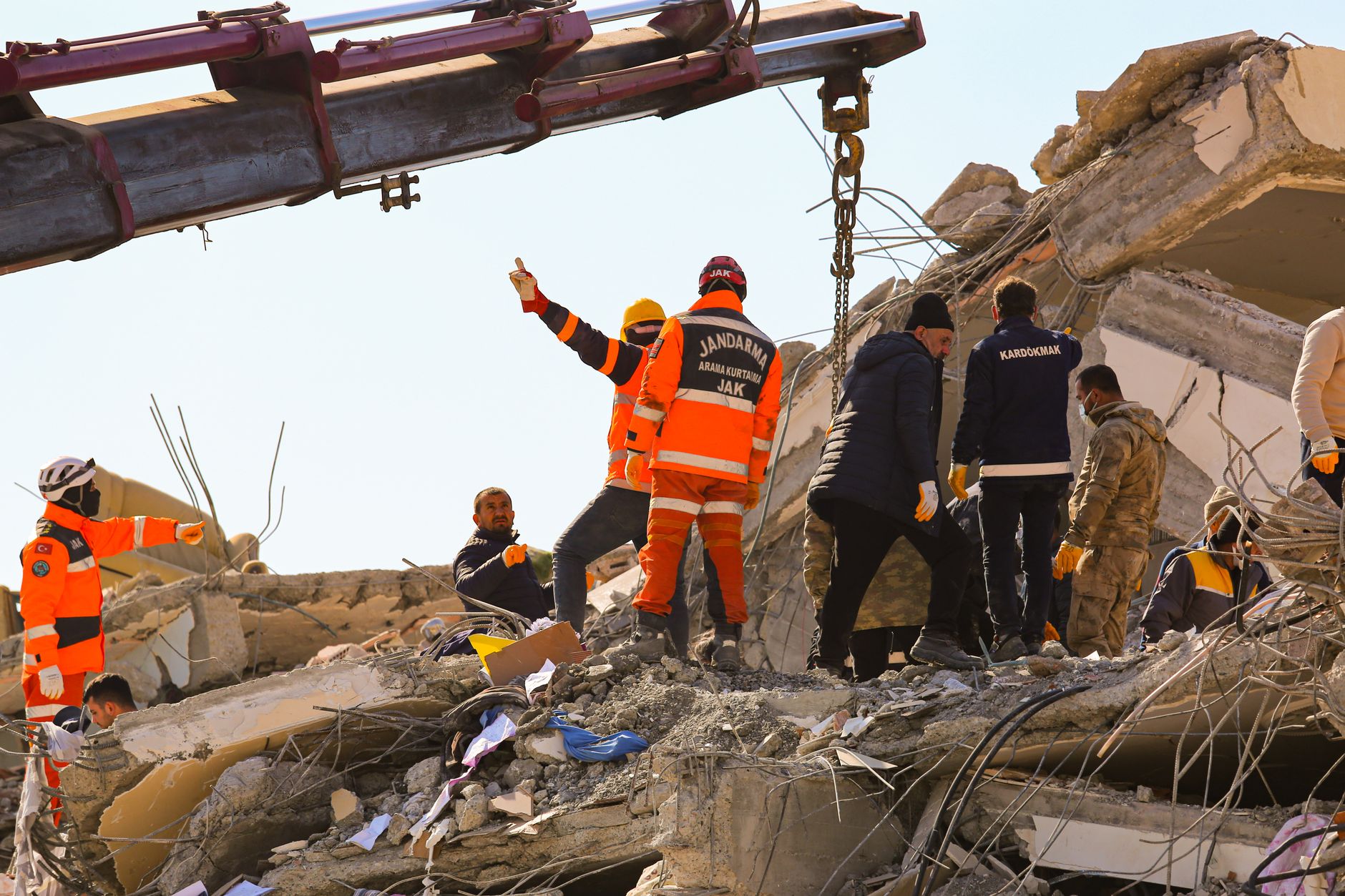
The disaster was a turning point for Soviet openness under Mikhail Gorbachev's glasnost policy: for the first time since the Second World War, Moscow accepted international rescue teams and aid from dozens of countries, including the United States, opening Soviet borders to Western assistance in a way that would have been unthinkable a few years earlier.