Yes, Bogotá is a seismic zone, though with moderate risk, lower than the major cities of the South American Pacific coast. Colombia's capital is classified under intermediate seismic hazard according to national codes. It does not sit directly above the subduction zone, but rather in the Eastern Cordillera of the Andes, where crustal deformation has produced a system of active geological faults capable of generating significant earthquakes.
Earthquakes in Bogotá: Andean Faults and Soft Basin Soils
Advertisement
Latest quakes in this area
- Loading…
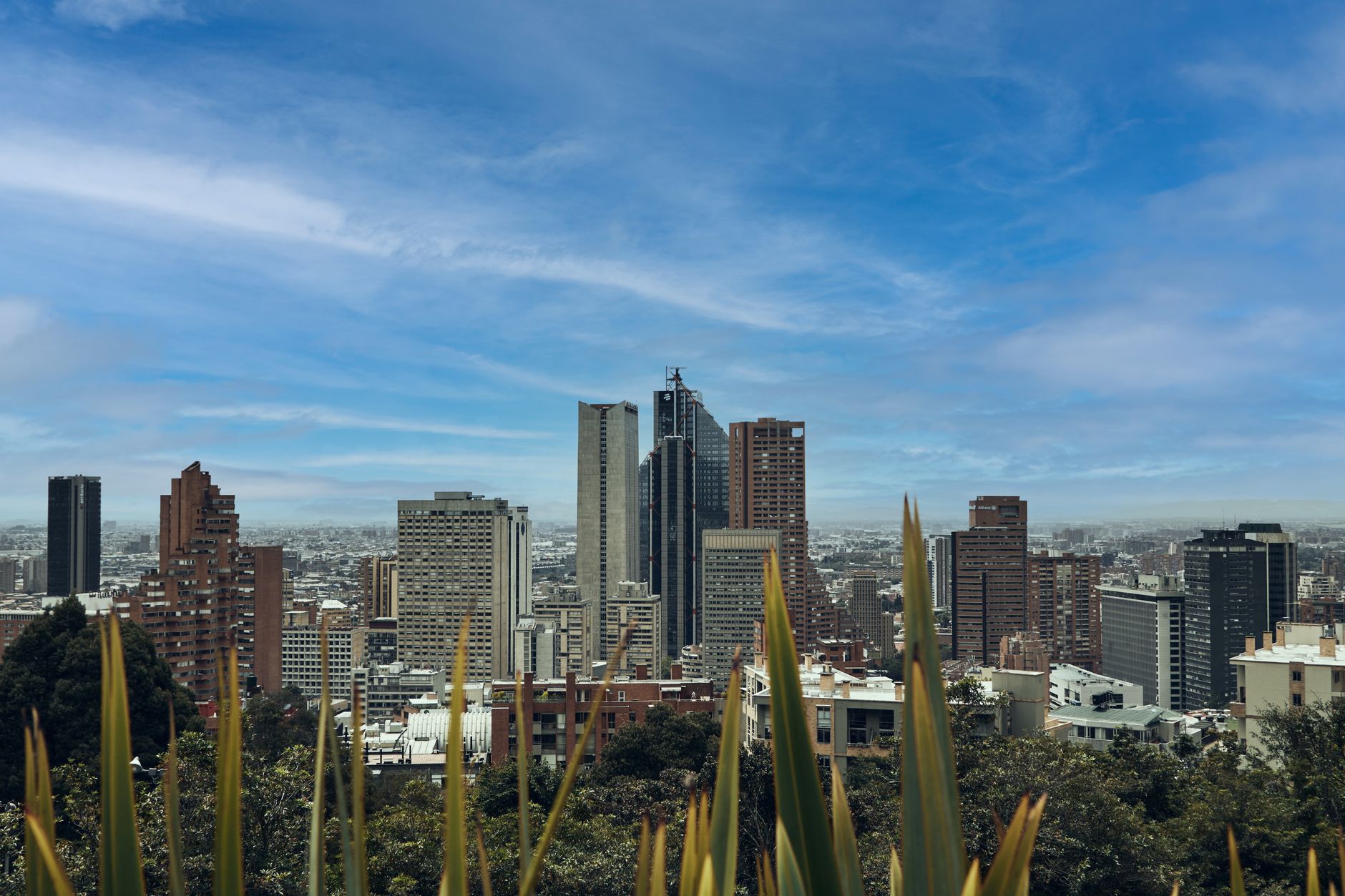
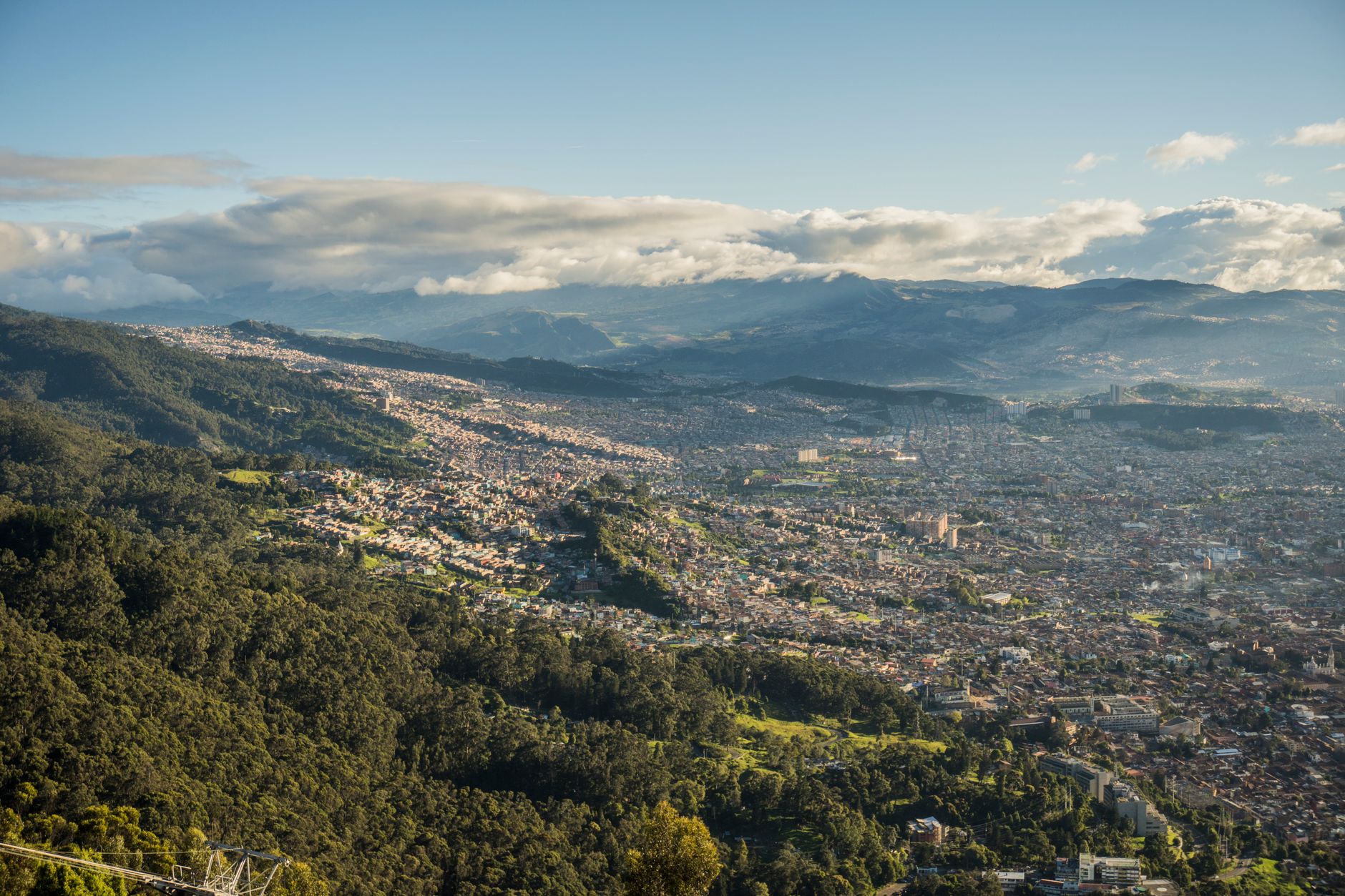
Bogotá's geological context combines two factors. On one hand, relatively nearby active faults, such as the Eastern Cordillera's frontal fault, are capable of producing considerable-magnitude earthquakes. On the other, much of the city sits on the soft lacustrine deposits of the former Bogotá savanna, soil that amplifies seismic waves in a way similar to Mexico City, increasing potential damage even when the epicentre is some distance away. In addition, large subduction earthquakes from Colombia's Pacific coast are also felt in the capital.
Historically, Bogotá has suffered notable earthquakes, such as the one in 1917 or the 1785 quake that damaged colonial buildings. In 1999, the devastating Eje Cafetero earthquake (magnitude 6.2, centred near Armenia) was a reminder of the Andean region's vulnerability, though its greatest impact was on Quindío. Aware of its intermediate hazard level and the amplifying effect of its soft soils, Bogotá has developed seismic microzonation and specific building codes; preparedness is advisable, though the risk is lower than on the Pacific coast.
Advertisement