Chile is the most seismically active country on Earth. The Nazca tectonic plate plunges beneath the South American plate along the Peru-Chile trench at the extraordinary rate of about 9 centimetres per year — one of the fastest subduction zones on the planet. This intense plate collision generates not only the world's largest and most frequent subduction-zone earthquakes but also the deepest and most complex seismic structures on record.
Earthquakes in Chile: The World's Most Seismically Active Country


Advertisement
Latest quakes in this area
- Loading…
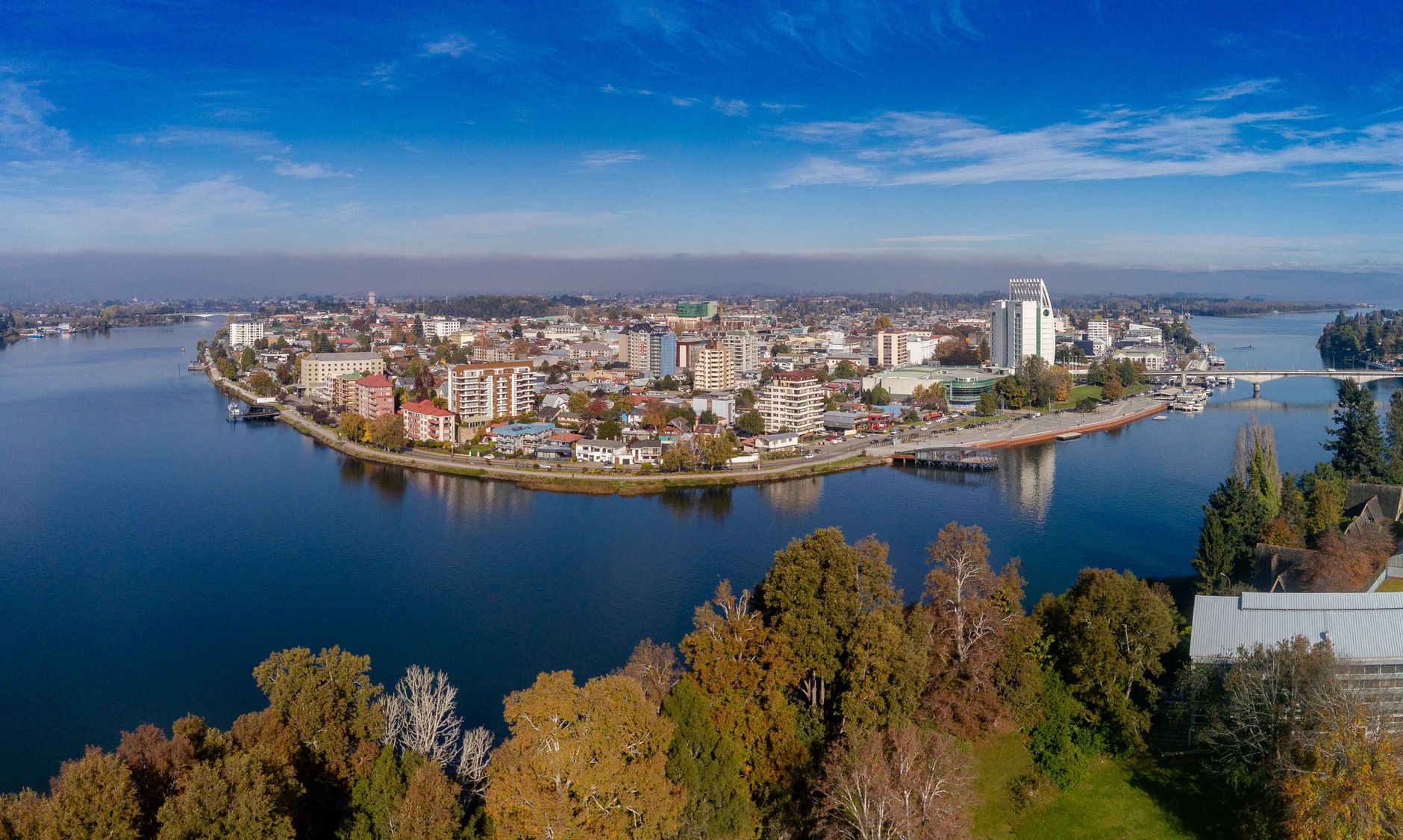
The historic Valdivia earthquake of 22 May 1960 remains the most powerful earthquake ever reliably recorded by instruments: magnitude 9.5. It ruptured roughly 800 km of the Chile-Peru subduction zone and generated a Pacific-wide tsunami that killed hundreds on Chile's coast and thousands more across the Pacific, from Hawaii to Japan to the Philippines. In 1985, the central Chile earthquake (M7.8) struck near Santiago; in 2010, the Maule earthquake (M8.8) again devastated the country; and the 2023 Illapel earthquake (M8.4) was among the strongest of recent decades. Chile has responded to this relentless seismic hazard with some of the world's strictest building codes and a dense seismic monitoring network managed by the National Seismological Center (Centro Sismológico Nacional). Modern Chilean buildings are engineered to withstand earthquakes far stronger than most nations will ever experience. Chile's deadliest quake, however, predates Valdivia: the 1939 Chillán earthquake killed around 28,000 people and remains the country's worst natural disaster.
See also
1939 Chillán EarthquakeChile's deadliest quake, ~28,000 dead1960 Valdivia EarthquakeM9.5, the strongest ever recorded
Advertisement