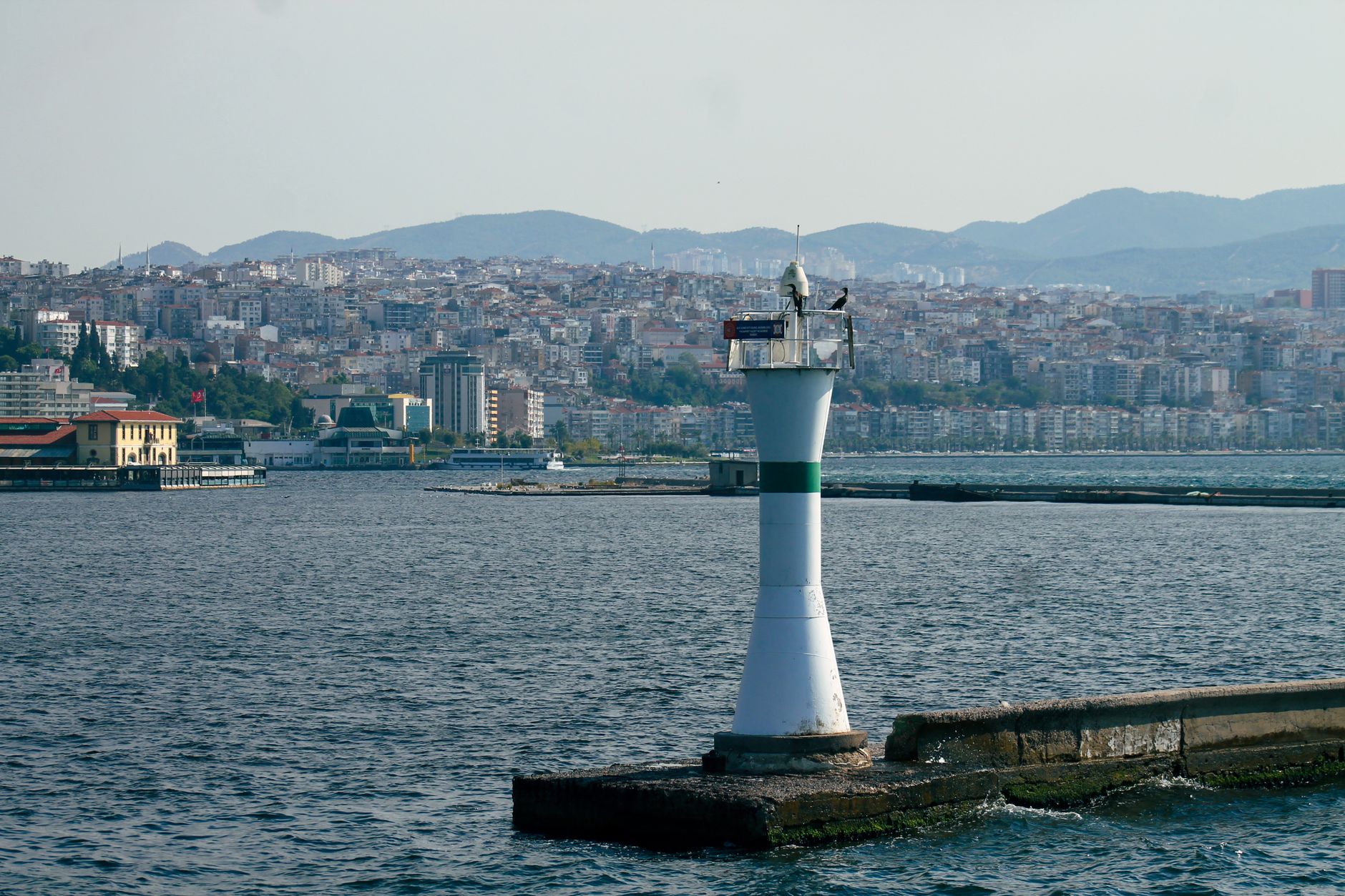
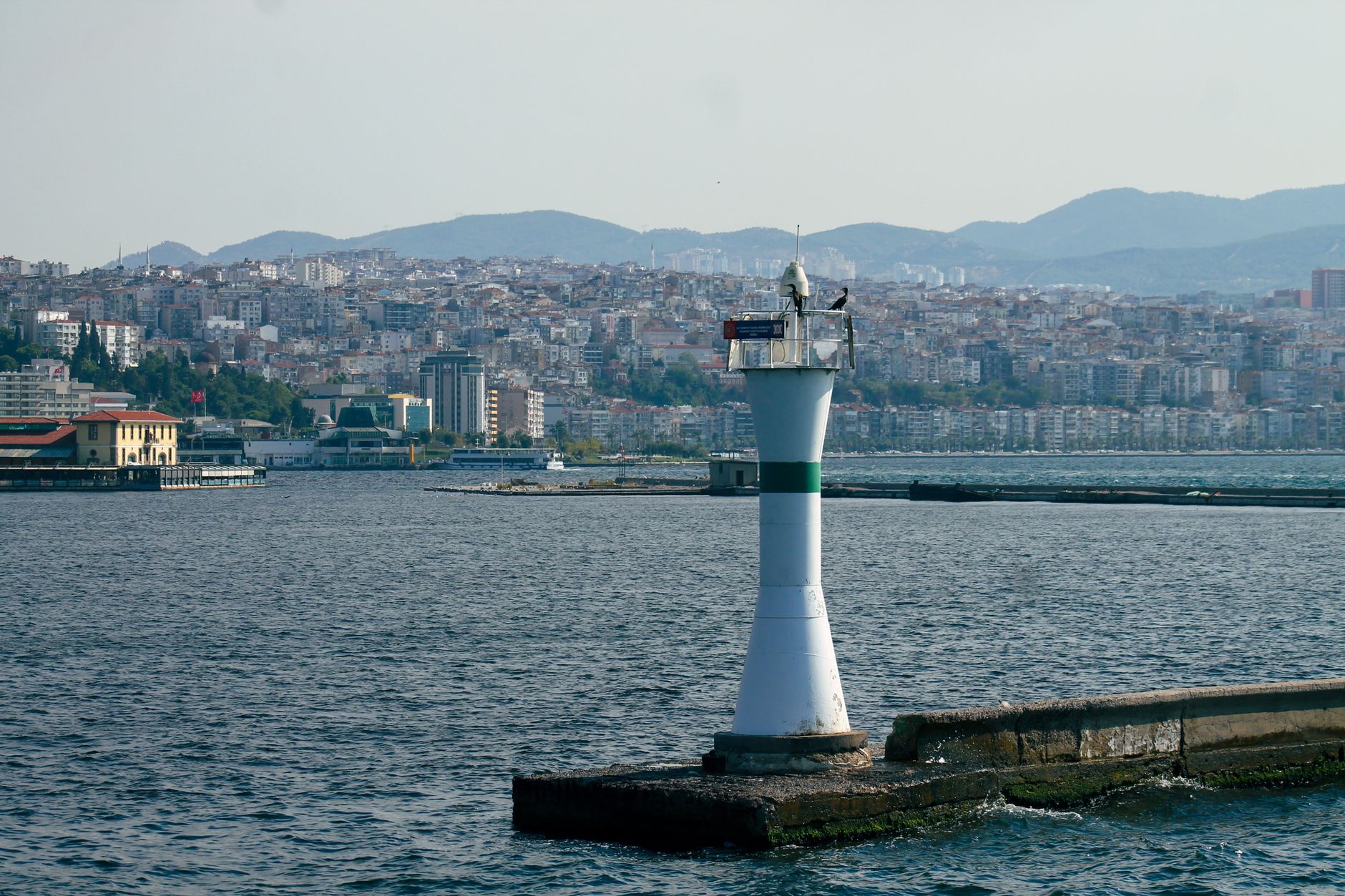
Izmir, Turkey's third-largest city on the Aegean coast, faces a high seismic risk because it lies in one of the most tectonically stretched regions on Earth. Western Anatolia is being pulled apart as the Aegean crust extends, producing a dense grid of active normal faults on land and beneath the sea around the Gulf of Izmir. Large parts of the city are built on soft, water-saturated alluvial soils that strongly amplify seismic waves and are prone to liquefaction, so even offshore earthquakes at some distance can cause severe damage in vulnerable neighbourhoods.
Earthquakes in Izmir
Advertisement
Latest quakes in this area
- Loading…
The most recent major event struck on 30 October 2020, a magnitude 7.0 (Mw) earthquake with an epicentre offshore in the Aegean Sea north of the Greek island of Samos. Although the epicentre was tens of kilometres away, ground-motion amplification in the Bayraklı district caused several mid-rise apartment buildings to collapse. The earthquake killed at least 117 people in Izmir province and injured over 1,000, and it also generated a small tsunami that flooded low-lying coastal areas. The disaster highlighted the danger posed by older, non-engineered concrete buildings on soft ground and accelerated urban-renewal and retrofitting efforts across the city.
Advertisement