Kathmandu faces some of the highest earthquake risk of any major city on Earth. It lies directly above the Main Himalayan Thrust, where the Indian plate drives beneath Eurasia at roughly two centimetres a year, building enormous strain that is released in great earthquakes. Compounding the hazard, the Kathmandu Valley is a former lakebed filled with soft sediments that amplify seismic waves, and dense, often poorly reinforced construction leaves the population acutely vulnerable.
Earthquakes in Kathmandu: The 2015 Gorkha Quake
Advertisement
Latest quakes in this area
- Loading…
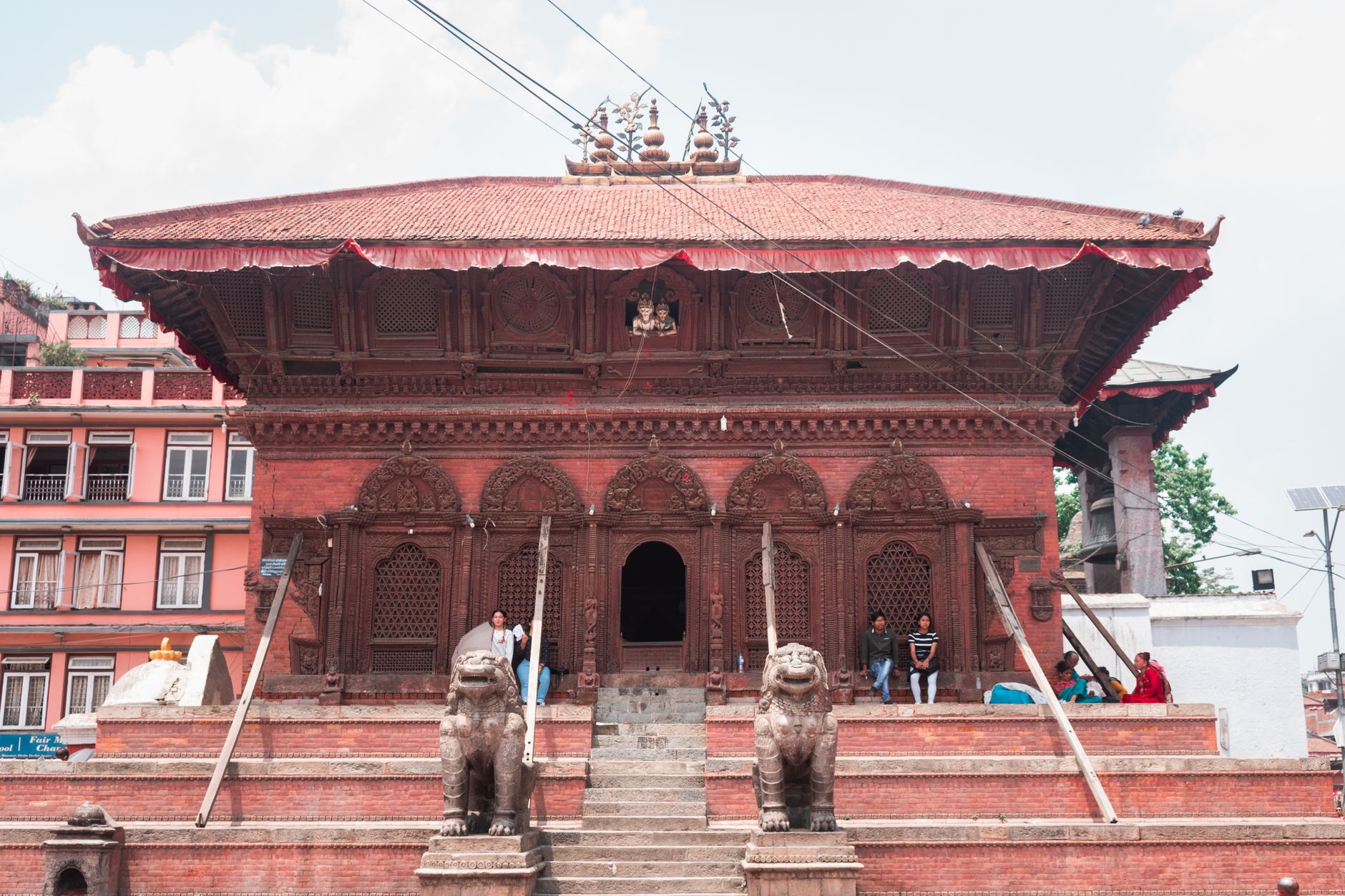
The 25 April 2015 Gorkha earthquake, magnitude 7.8, was the deadliest reminder of this danger, killing nearly 9,000 people across Nepal and toppling centuries-old temples in Kathmandu's UNESCO-listed squares. Yet seismologists warn the region has not fully released its accumulated stress: historical accounts of massive quakes in 1255 and 1934 show the western Himalaya remains capable of even larger ruptures, making earthquake preparedness an ongoing existential concern for the valley.
Advertisement