No, Monterrey is not considered a high earthquake-risk area. Mexico's third-largest city and the capital of Nuevo León sits more than 700 km from the Pacific coast, where the Cocos plate dives beneath the North American plate and generates the vast majority of Mexico's strong earthquakes. That distance from the subduction zone is the main reason Monterrey rarely feels significant ground shaking, unlike Mexico City or the cities strung along the Pacific coast.
Monterrey Earthquakes Today: Live Map 2026
Advertisement
Latest quakes in this area
- Loading…
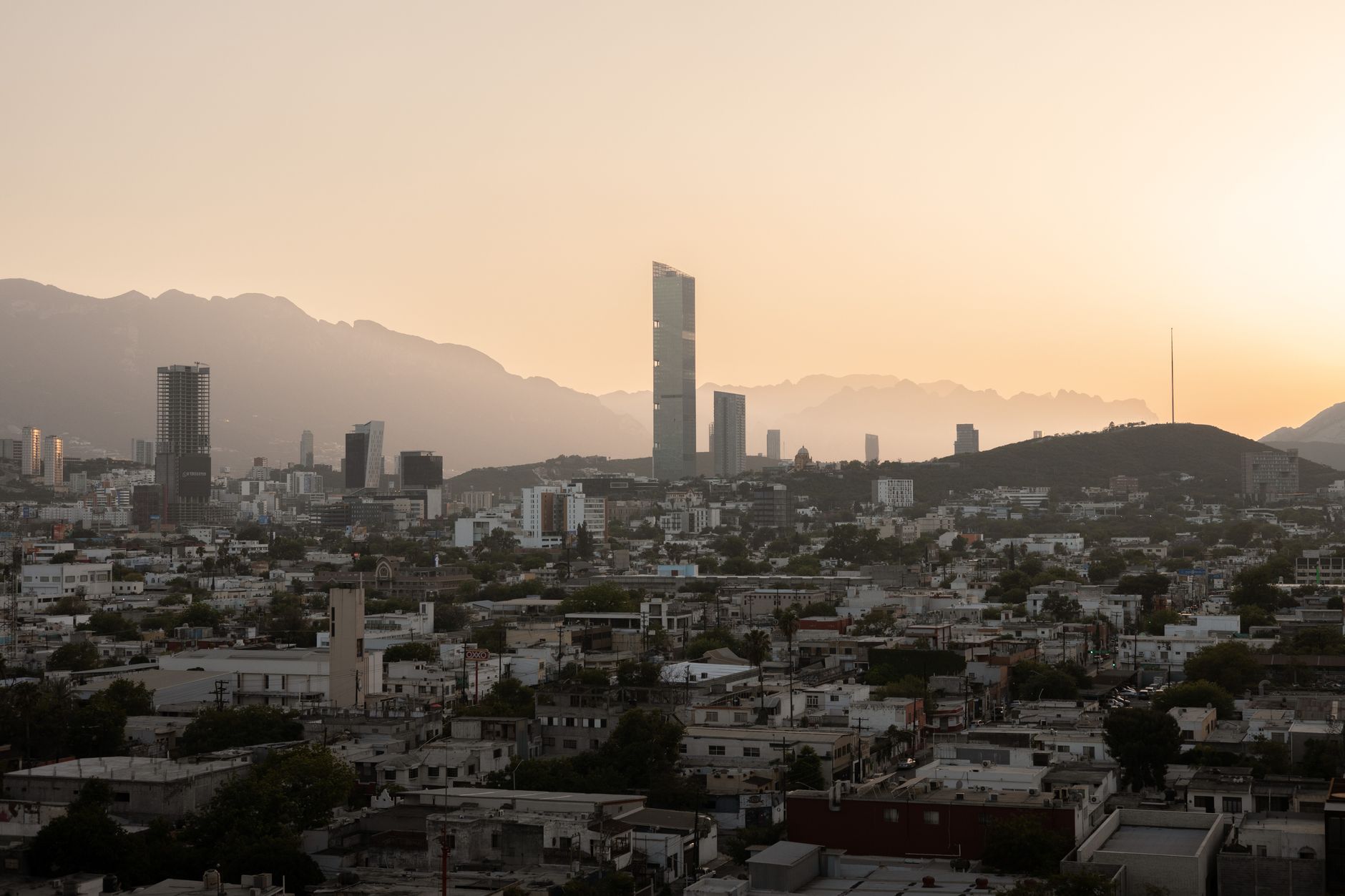
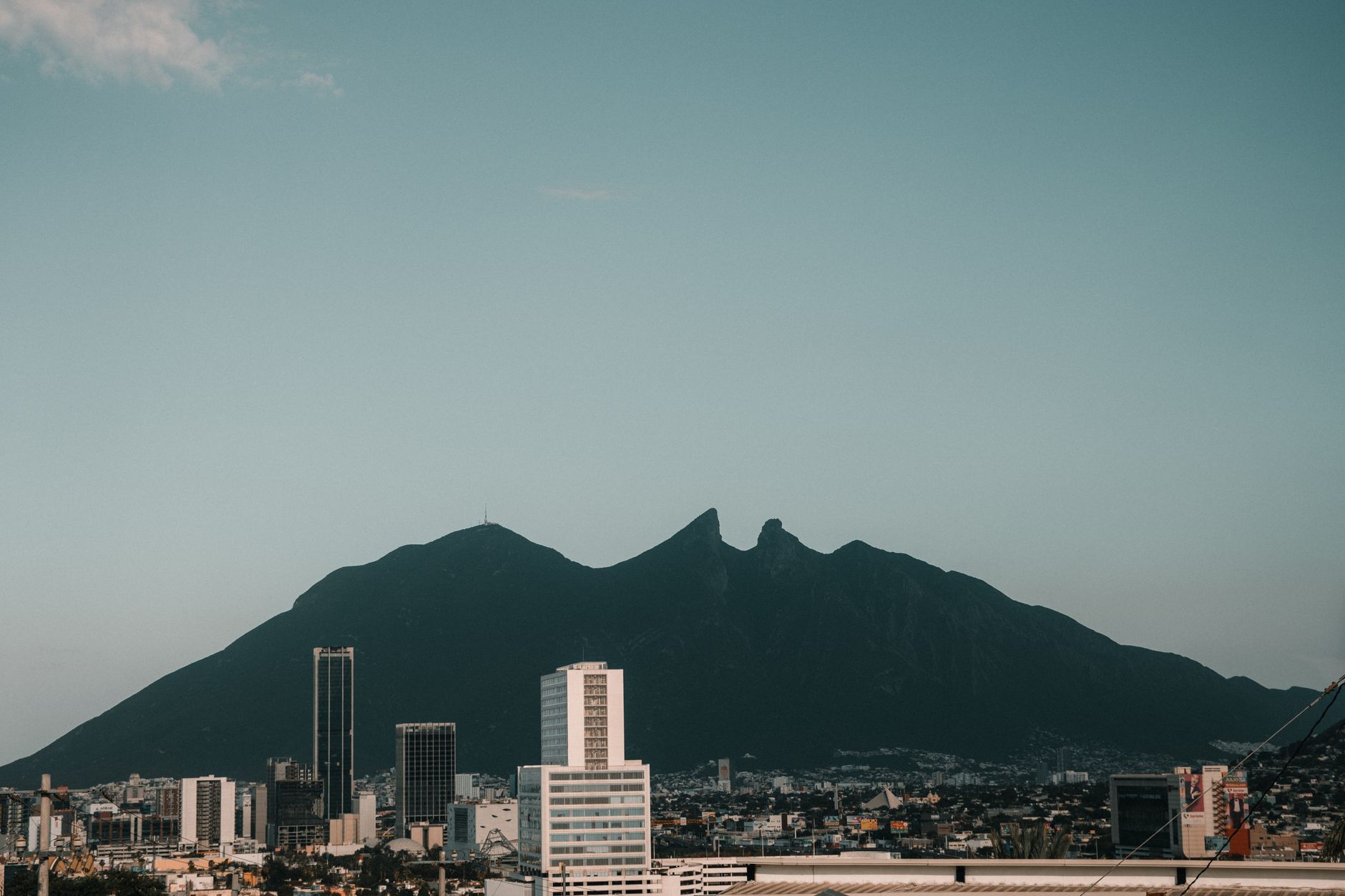
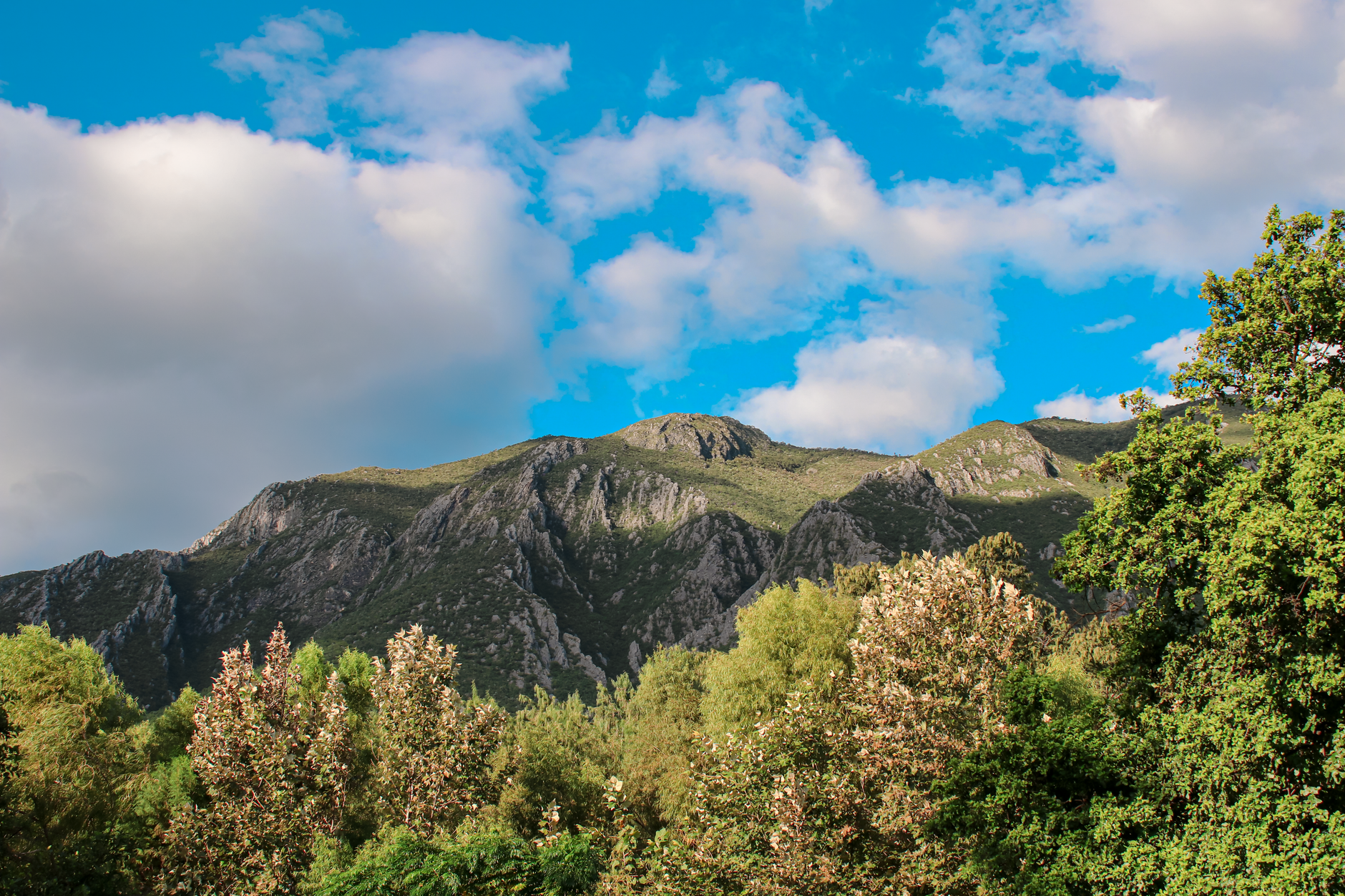
Geologically, Monterrey sits within the Sierra Madre Oriental and the Gulf Coastal Plain, a comparatively stable region next to central and southern Mexico. No major active fault runs directly beneath the city, and local seismicity is sparse and low-intensity. When residents have felt tremors, they have almost always been distant, heavily attenuated echoes of larger earthquakes elsewhere in the country, rather than events with a nearby epicentre.
In practical terms, earthquake hazard is low and is not the region's leading natural threat — hurricanes and flooding are far more relevant risks in the northeast. Still, no location has zero risk: occasional micro-earthquakes tied to local geological faults have been recorded. For the overwhelming majority of residents and buildings, earthquake damage risk in Monterrey remains low, a pattern Mexico's national seismological service (SSN) confirms year after year.
Advertisement