Yes, Murcia is a seismic zone, and it forms part of the highest-hazard region in Spain: the south-eastern corner of the peninsula. Spain overall is not among the world's most seismic countries, but the Region of Murcia concentrates a large share of the country's earthquake activity and falls into the highest categories on the National Geographic Institute's (IGN) hazard maps. Within a Spanish context, the risk here is considered elevated.
Earthquakes in Murcia, Spain
Advertisement
Latest quakes in this area
- Loading…
The geological driver is the slow convergence between the African and Eurasian plates, which compresses south-eastern Spain and keeps numerous faults of the Betic mountain ranges active. Within the Region of Murcia, the Alhama de Murcia fault stands out as one of the country's most dangerous, capable of generating shallow earthquakes. These tend to be moderate in magnitude, but because they occur at shallow depth beneath populated areas, they can cause serious damage to vulnerable buildings.
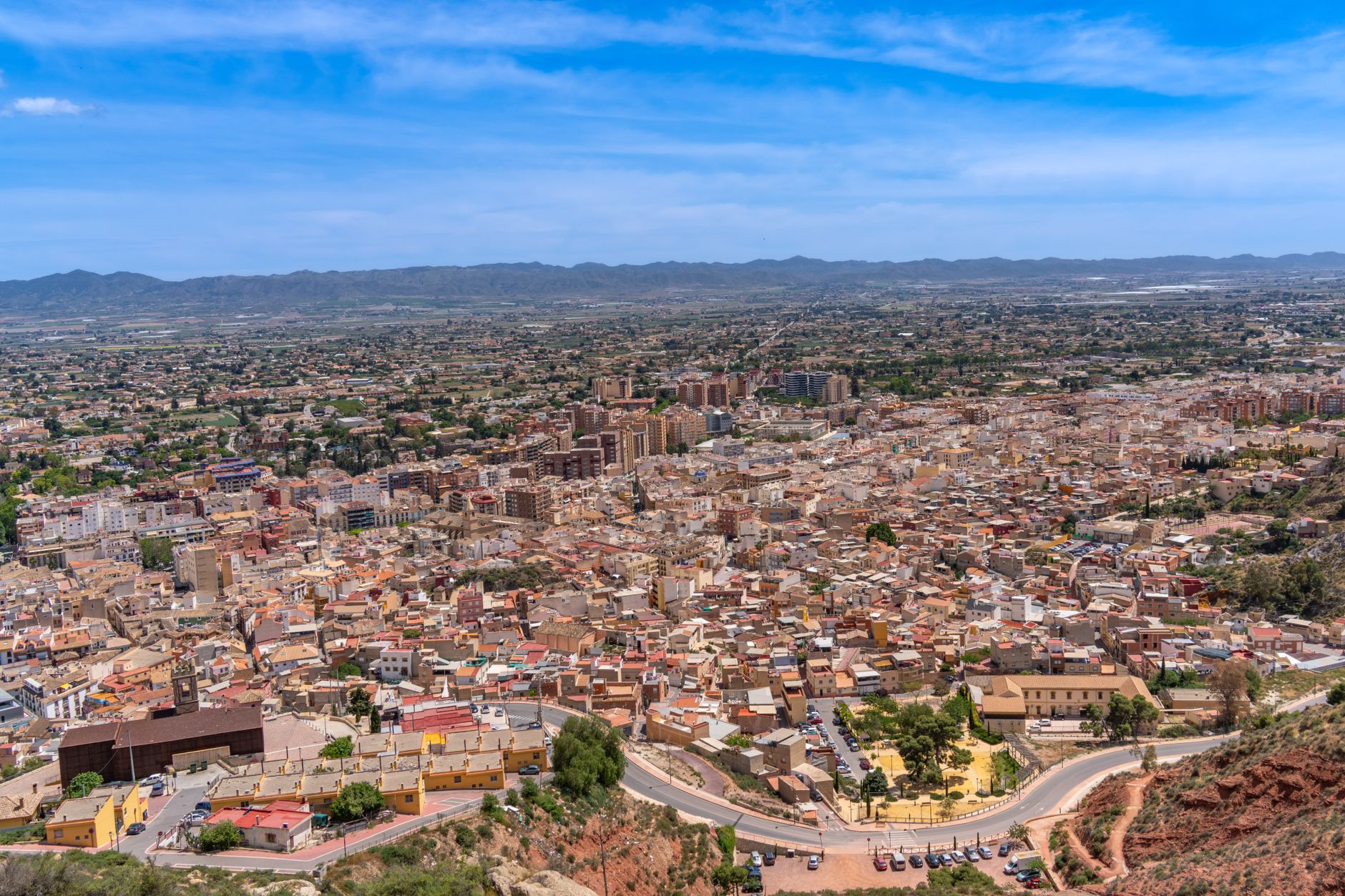
The most painful reminder is recent: on 11 May 2011, a magnitude 5.1 earthquake centred on the nearby town of Lorca killed nine people, injured dozens more, and caused extensive damage to heritage buildings and housing — making it one of the deadliest earthquakes in modern Spanish history despite its moderate magnitude. That event exposed the region's vulnerability and reinforced the importance of seismic-resistant building codes. Living in Murcia means accepting a real earthquake risk within the Spanish landscape, one that residents and local authorities take seriously.
See also
Advertisement