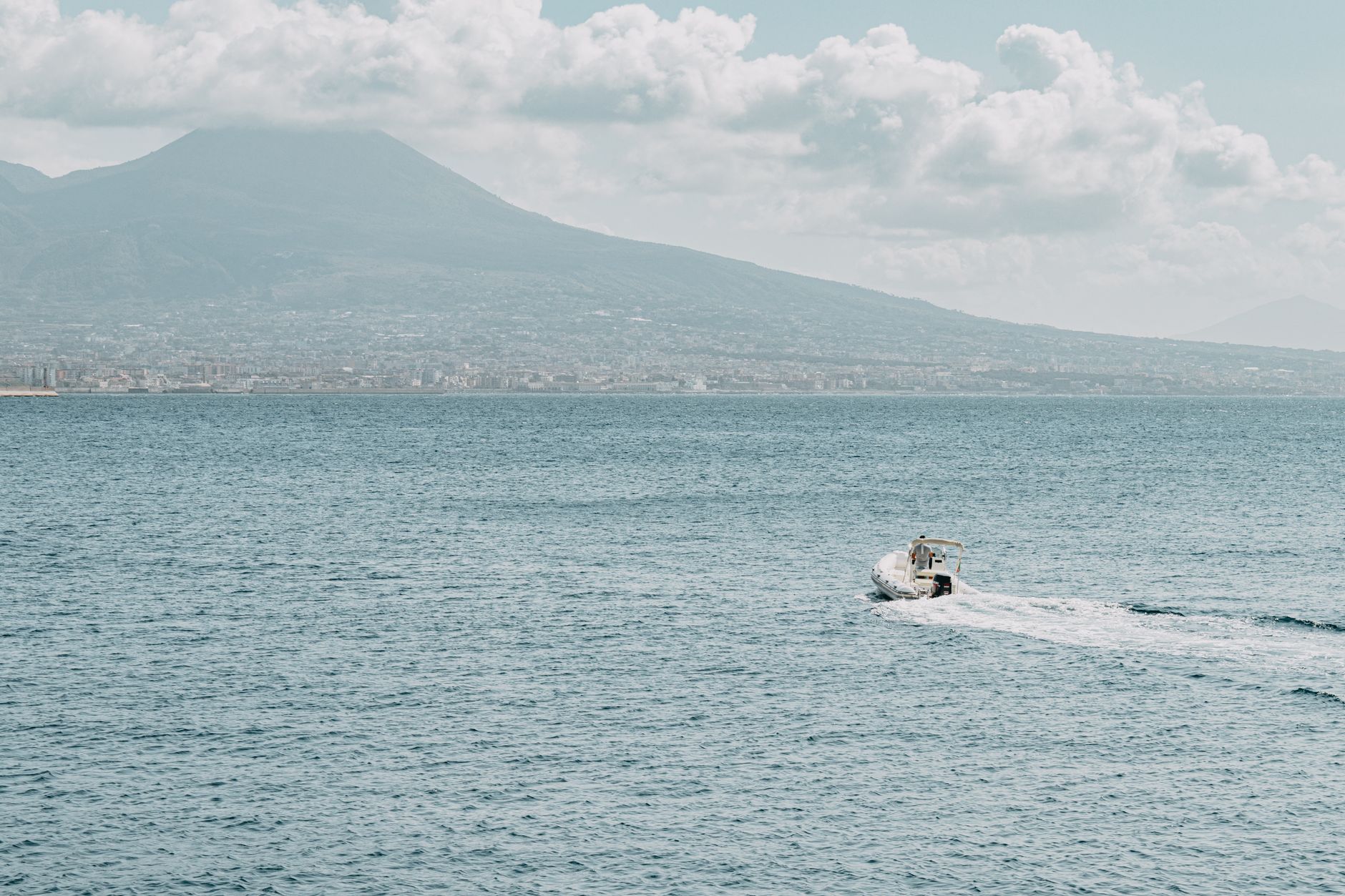
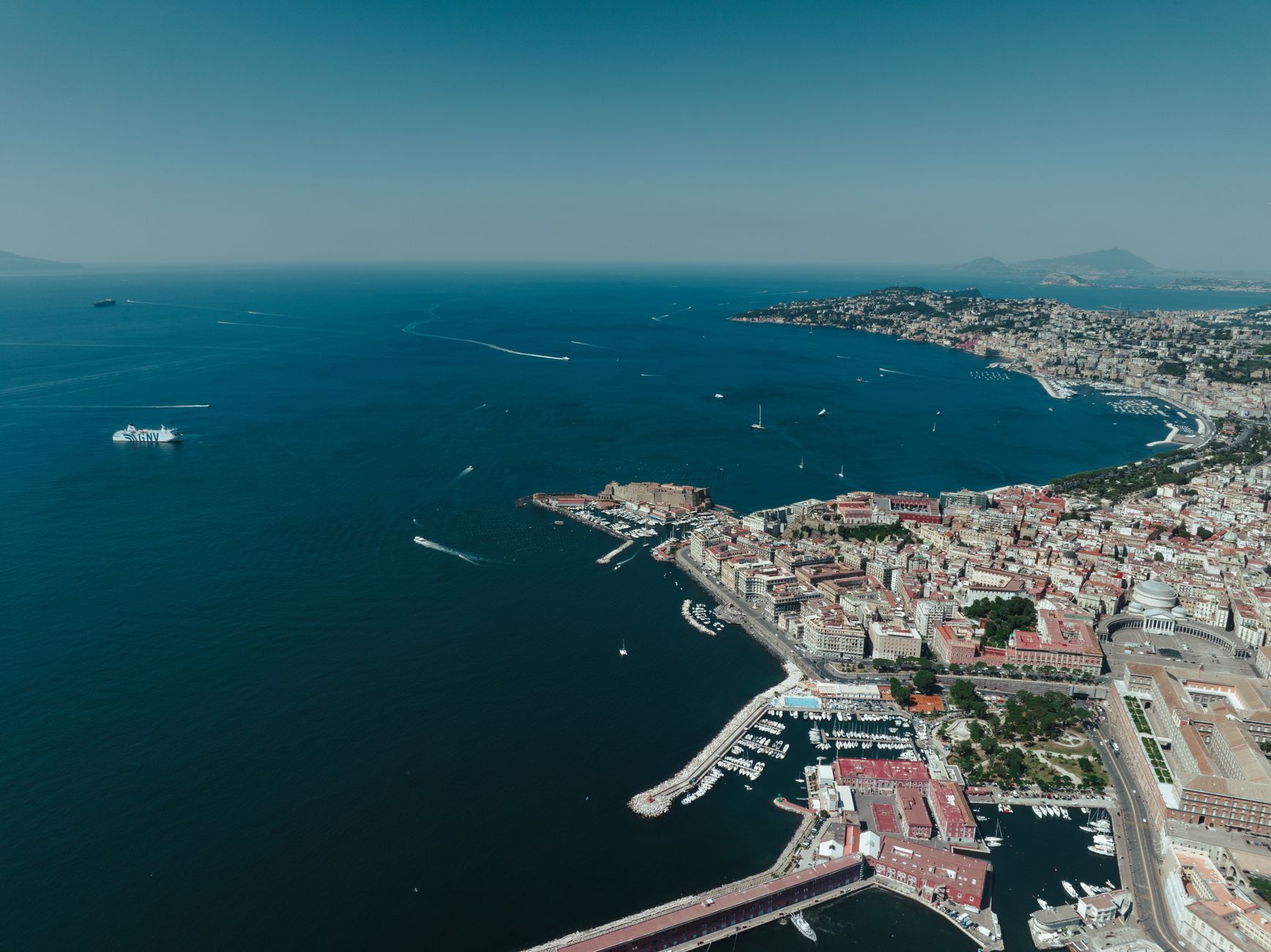
Naples faces a high and unusually complex hazard that blends volcanic and seismic risk. The city is hemmed in by two of the world's most dangerous volcanic systems: Mount Vesuvius to the east and the sprawling Campi Flegrei caldera to the west. Much of the region's shaking is volcanic in origin, generated as magma and pressurised fluids move beneath the surface, though tectonic quakes in the surrounding Apennines also affect the area. With around three million people living in the danger zone, the exposure is immense.
Earthquakes in Naples: Vesuvius, Campi Flegrei & Rising Risk
Advertisement
Latest quakes in this area
- Loading…
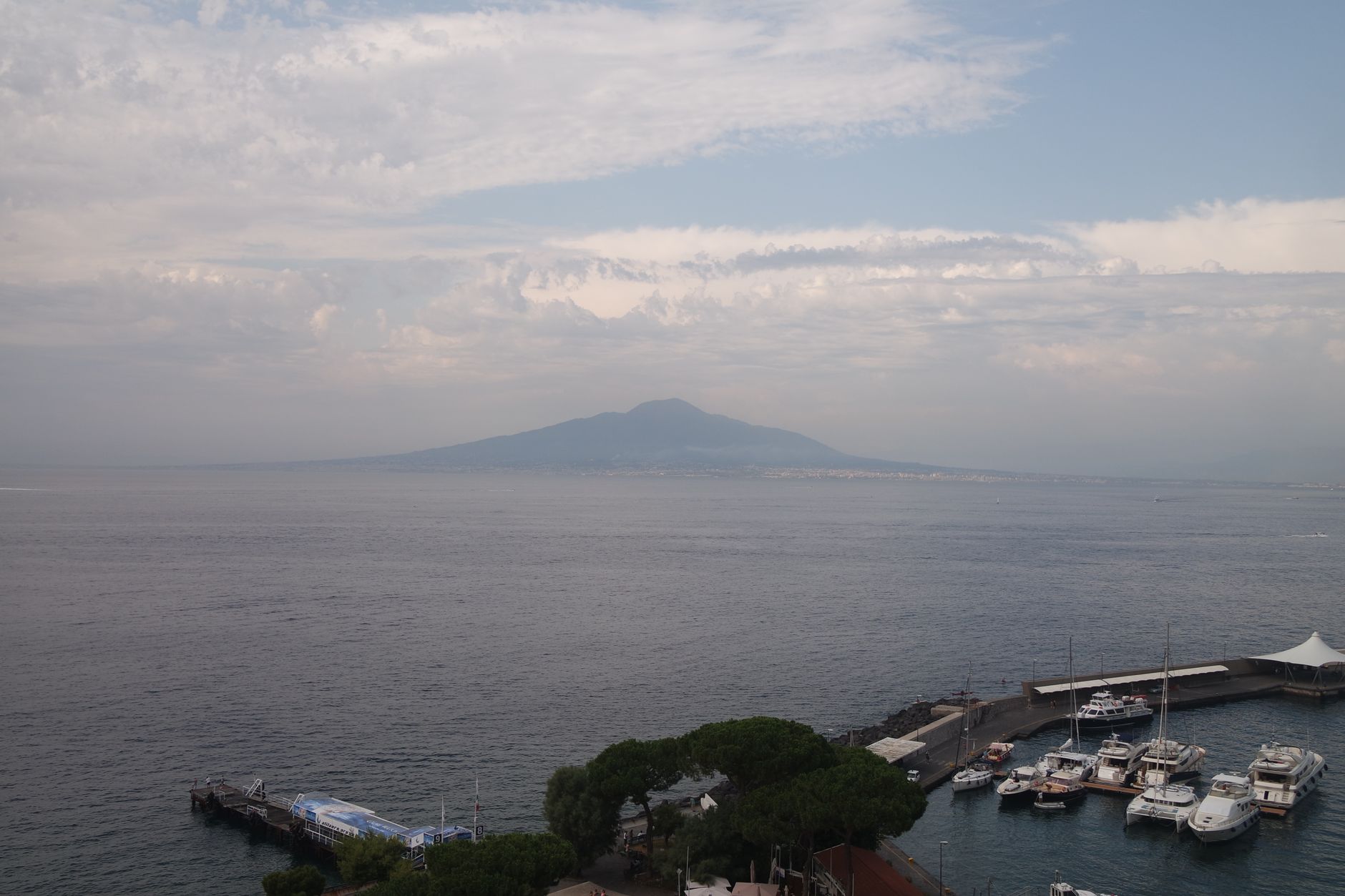
The most pressing current concern is Campi Flegrei, a restless caldera beneath the western suburbs and the Pozzuoli area. Since 2005 the ground has been slowly rising in a process called bradyseism, accompanied by swarms of shallow earthquakes; a magnitude 4.4 event in 2024 was among the strongest recorded there in decades and rattled buildings across the metropolis. Vesuvius, dormant since its last eruption in 1944 but responsible for the burial of Pompeii in AD 79, adds a second layer of long-term risk that keeps Naples under constant scientific monitoring.
Advertisement