Skopje, the capital of North Macedonia, lies in a high seismic-risk zone within a tectonically active basin cut by faults associated with the broader Balkan collision between the Adriatic and Eurasian plates. The city sits on soft alluvial sediments of the Vardar river valley, which strongly amplify ground shaking, so shallow local earthquakes of even moderate magnitude can produce intense damage. This combination of active faulting and vulnerable ground conditions gives Skopje one of the more serious seismic hazards among Balkan capitals.
Earthquakes in Skopje: The 1963 Catastrophe

Advertisement
Latest quakes in this area
- Loading…
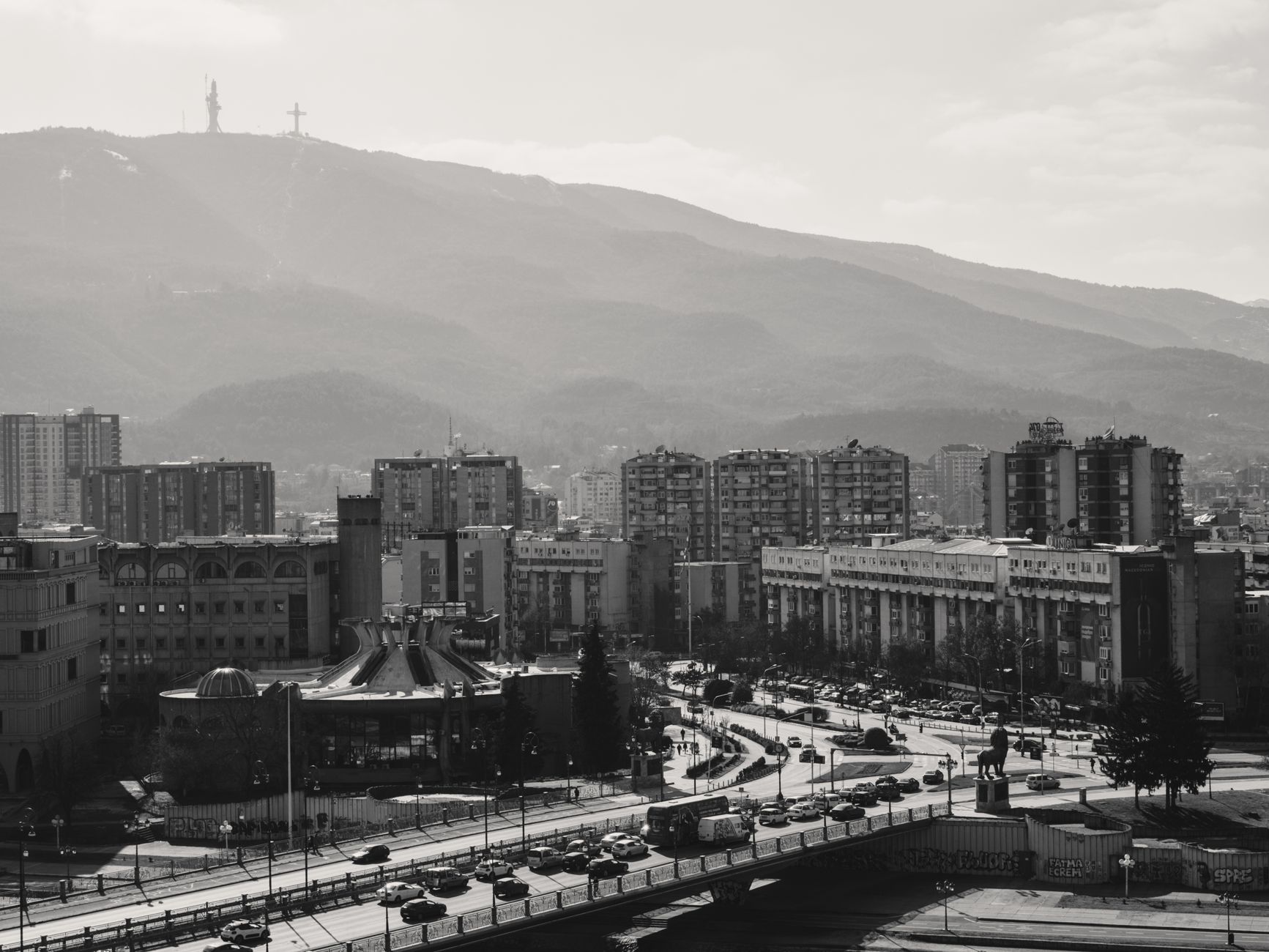
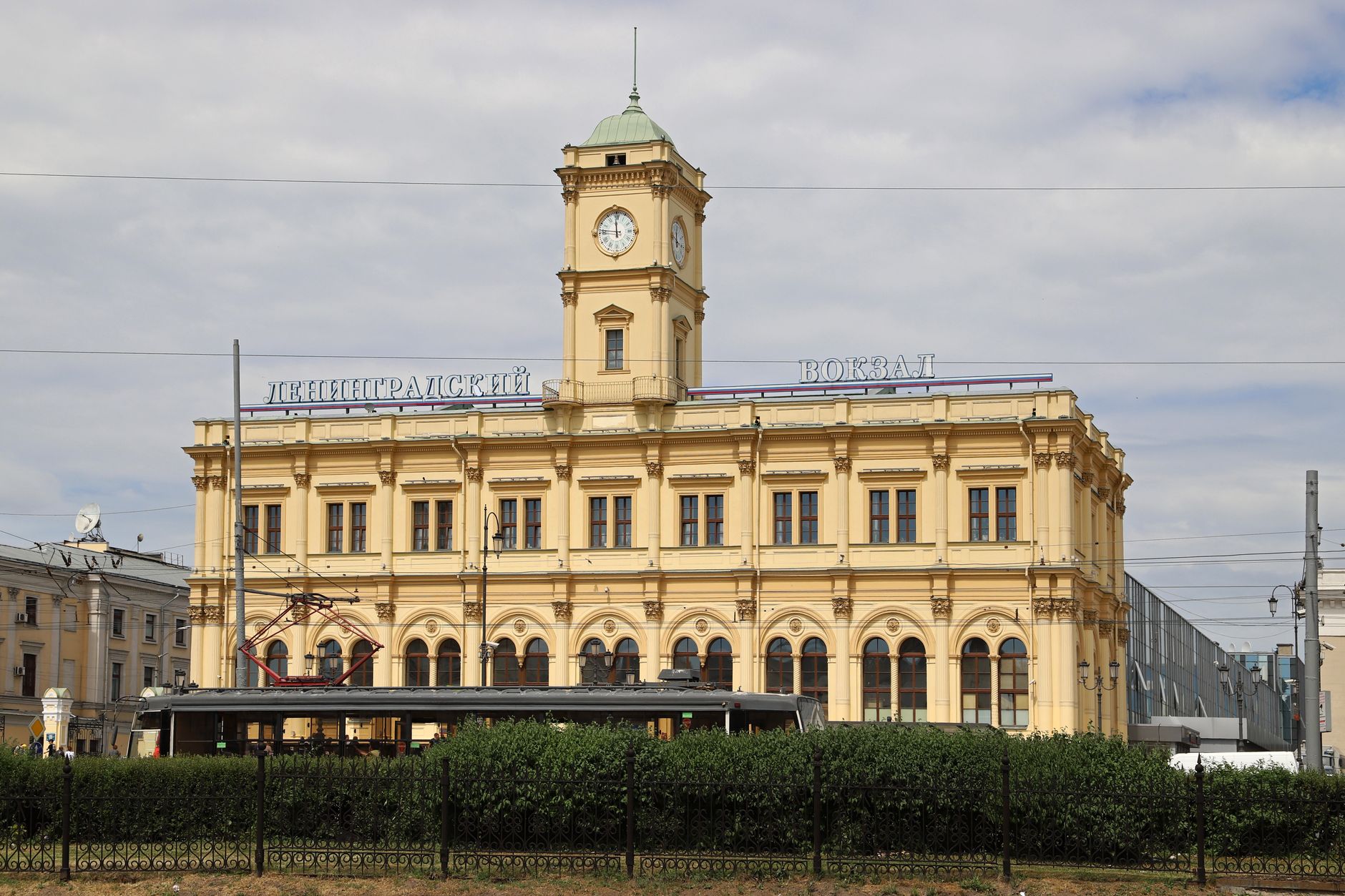
The city's defining catastrophe came on 26 July 1963, when a magnitude 6.1 earthquake struck at shallow depth in the early morning. It killed more than 1,000 people, injured around 3,000, and left roughly 200,000 homeless, destroying or badly damaging about 80 percent of the city. The disaster drew an unprecedented international relief effort from both Cold War blocs, and Skopje was rebuilt as a modernist showcase under a plan influenced by Japanese architect Kenzo Tange. The old railway station, its clock stopped at 5:17 to mark the moment of the quake, still stands as a memorial. The 1963 event remains a benchmark for seismic engineering and urban resilience in the region.
Advertisement