Moving plates
The Earth's rigid outer shell is broken into tectonic plates that drift a few centimetres a year, driven by heat and convection in the mantle below. Where plates meet, they grind past each other, pull apart along rift zones, or collide and buckle upward. Stress and strain accumulate along fault lines until the locked rock suddenly ruptures and slips, releasing enormous energy as seismic waves that radiate outward from the epicentre. That sudden slip is what we experience as an earthquake, and the size depends on how much rock ruptured and how far it moved.
Why some places more than others
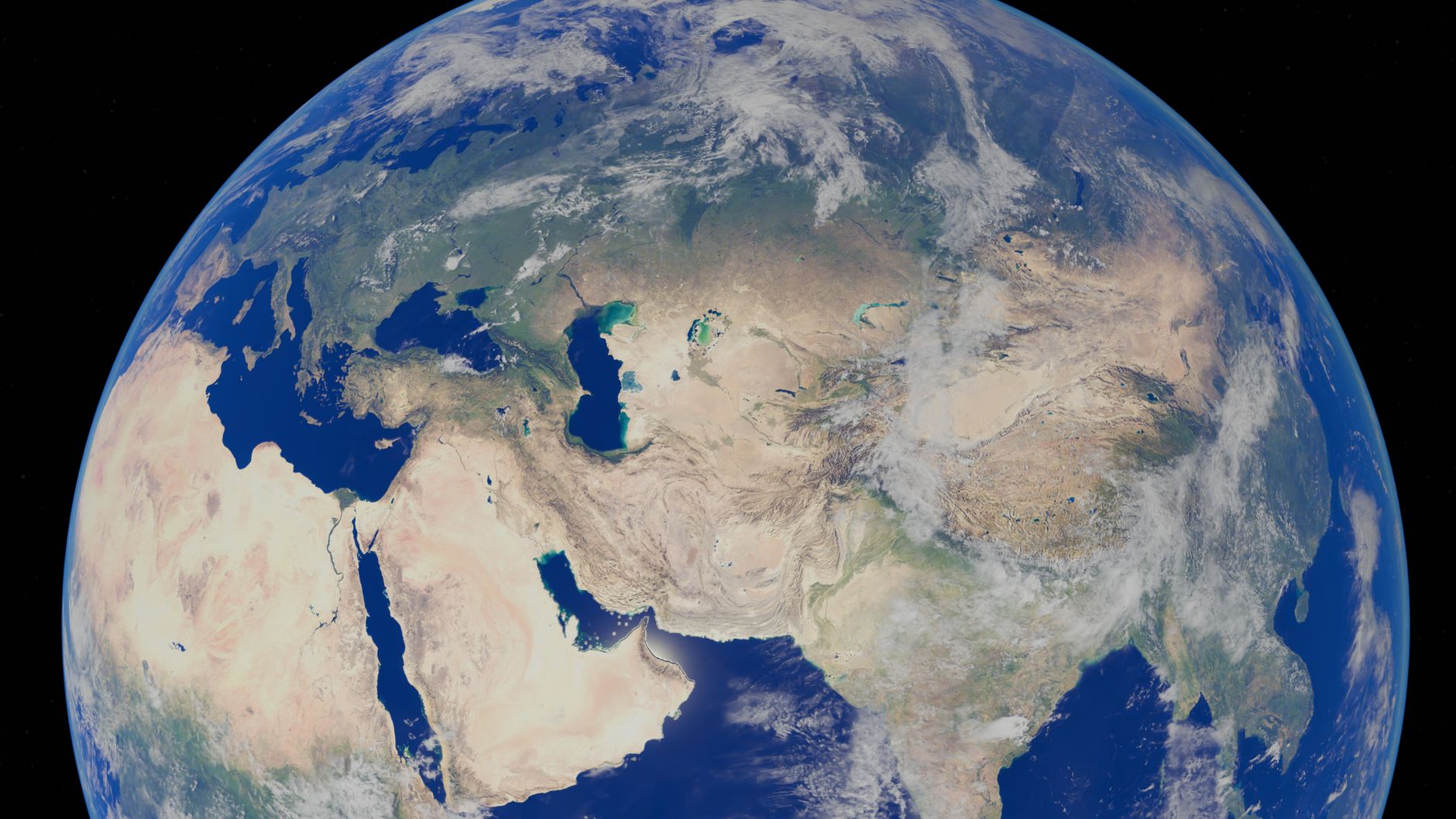
Most earthquakes cluster along plate boundaries: the Pacific 'Ring of Fire', the Mediterranean–Himalayan belt and mid-ocean ridges. Chile, Japan and Indonesia sit on subduction zones where oceanic plates plunge beneath continental ones, generating frequent, often powerful earthquakes. The centre of stable plates, far from boundaries, experiences far fewer and generally weaker events. However, even stable continental regions can host ancient faults that, when they slip after thousands of years of silence, can produce devastating earthquakes.
Foreshocks and aftershocks
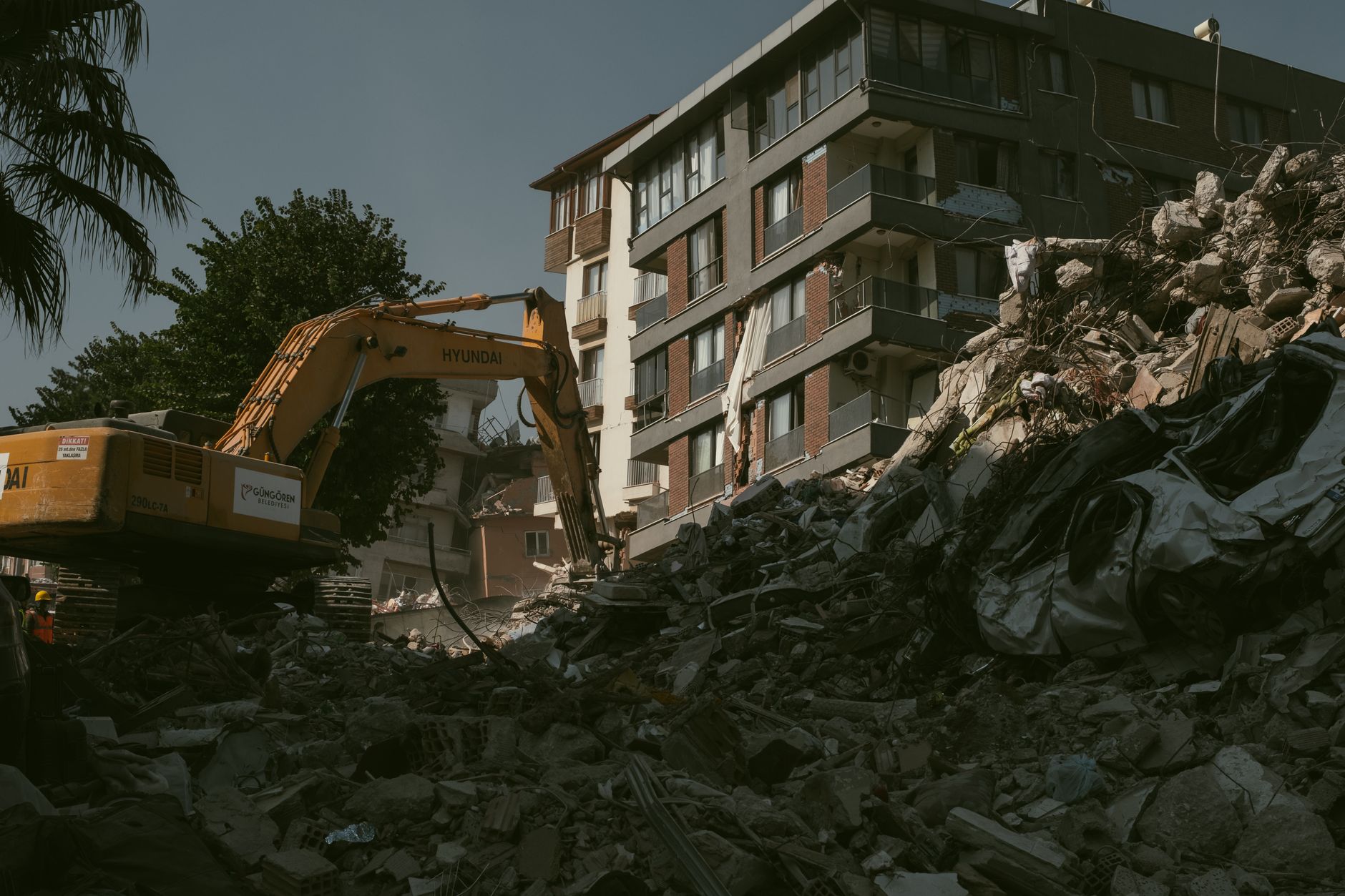
A large earthquake rarely comes alone. Smaller foreshocks sometimes precede it by minutes or hours, caused by stress transfer in the rock before the main rupture. After the main quake, aftershocks — which can range from barely felt to nearly as strong as the initial event — continue for weeks, months or even years as the crust adjusts to its new stress configuration. Understanding this pattern helps seismologists assess earthquake hazard and helps communities prepare for what comes next.

Magnitude and energy
Earthquake magnitude measures the energy released by a quake. The Richter scale, developed in 1935, was the first widely-used method but has been replaced by the moment magnitude scale (Mw) because it works better for large earthquakes. Magnitude is logarithmic: each increase of 1.0 represents roughly 32 times more energy released. A M8 releases about 1000 times more energy than a M6. The largest earthquake ever recorded was the M9.5 Valdivia earthquake in Chile in 1960, releasing as much energy as thousands of atomic bombs.
Monitoring earthquakes
Scientists use networks of sensitive seismometers around the world to detect and measure earthquakes. Real-time monitoring allows rapid detection of large quakes and the issuing of tsunami warnings when needed. Major earthquake-prone countries operate their own national seismological networks. The USGS provides global earthquake information and maintains the most comprehensive earthquake database. Modern networks can detect earthquakes as small as magnitude -1 (below the threshold of human perception) and can provide data to early-warning systems that alert people seconds before strong shaking arrives.
Deep Earth dynamics
Beneath the thin crust lies the mantle, a layer of hot rock that flows slowly over millions of years. Convection currents in the mantle drive plate motion — hot material rises at mid-ocean ridges while cooler, denser material sinks at subduction zones. This global circulation system has been operating for billions of years and is powered by heat left over from Earth's formation and ongoing radioactive decay in the planet's interior. The connection between mantle dynamics and surface earthquakes shows how our planet is a single, integrated system where deep interior processes affect our lives at the surface.
Earthquake prediction challenges
Despite advances in earthquake science, predicting exactly when and where the next big quake will occur remains virtually impossible. Stress release along faults does not follow a simple, predictable pattern. Some faults rupture regularly on predictable intervals; others remain silent for centuries or millennia before suddenly breaking. The Coulomb stress transfer model and probabilistic seismic hazard analysis offer ways to assess regional earthquake risk over decades, but short-term prediction remains an unsolved problem. This is why earthquake preparedness and resilient building design are essential strategies for living safely in earthquake-prone regions.