Western Afghanistan was struck by a sequence of four shallow magnitude-6.3 earthquakes in October 2023, centred near the Zenda Jan district some 30 km northwest of Herat city. The first two quakes struck within minutes of each other on 7 October, followed by further magnitude-6.3 shocks on 11 and 15 October, all at shallow depths of roughly 8 to 14 km.
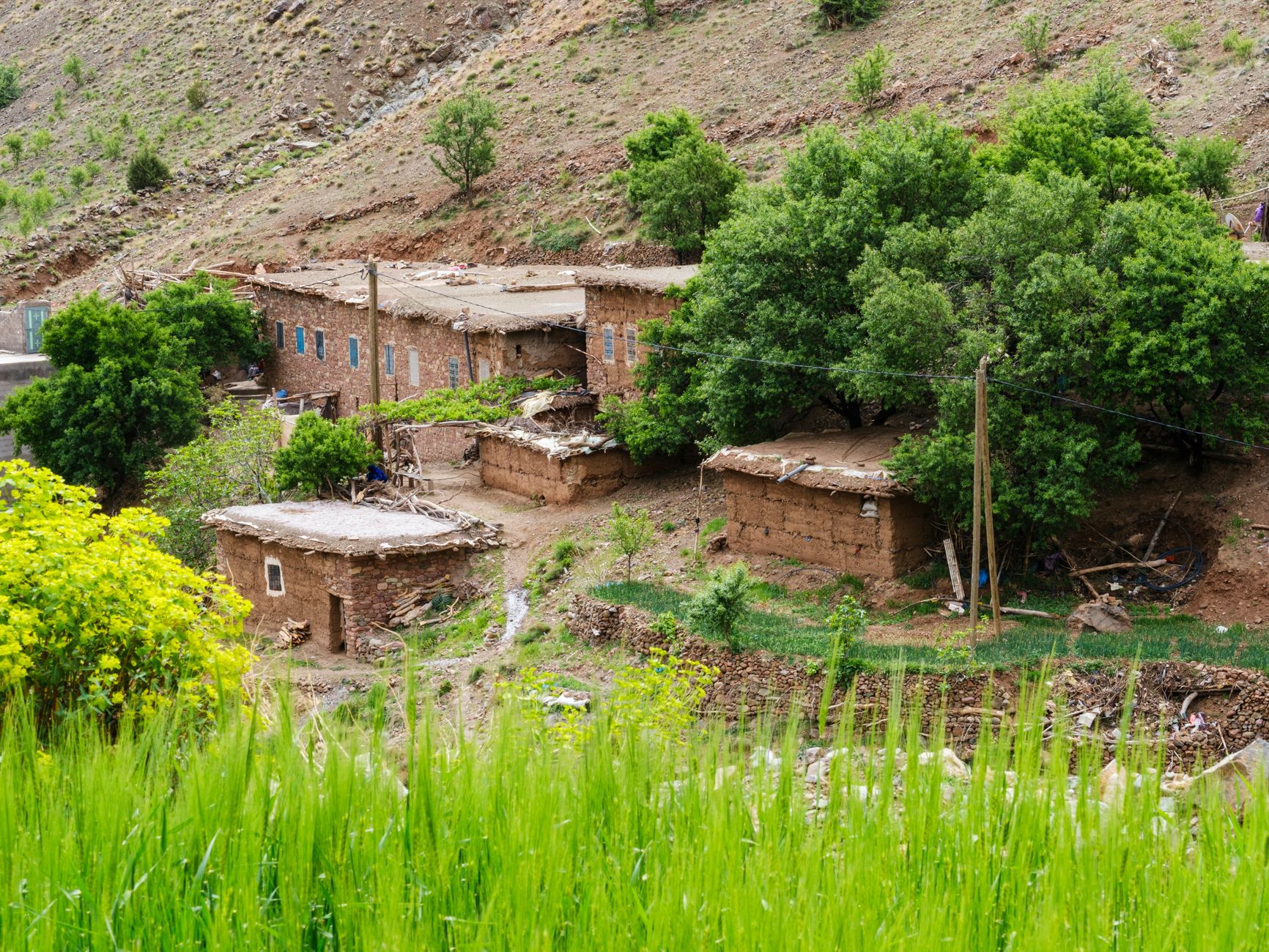
The 7 October events caused the overwhelming majority of casualties: at least 1,482 people were killed, out of a sequence-wide toll of around 1,489, with 2,100 to 2,700 injured and more than 21,500 homes destroyed across 15 or more villages. The World Health Organization reported that about 90% of the dead were women and children, because most men were working outdoors in fields when the quakes struck during the day.

Some villages were almost completely wiped out: Nayeb Rafi was razed, with roughly 80% of its population killed; Siah Aab lost about 300 residents and Kashkak around 170. Rescue efforts were complicated by Afghanistan's isolation under Taliban rule, which limited the international aid response even as tens of thousands of families lost their homes just before winter.
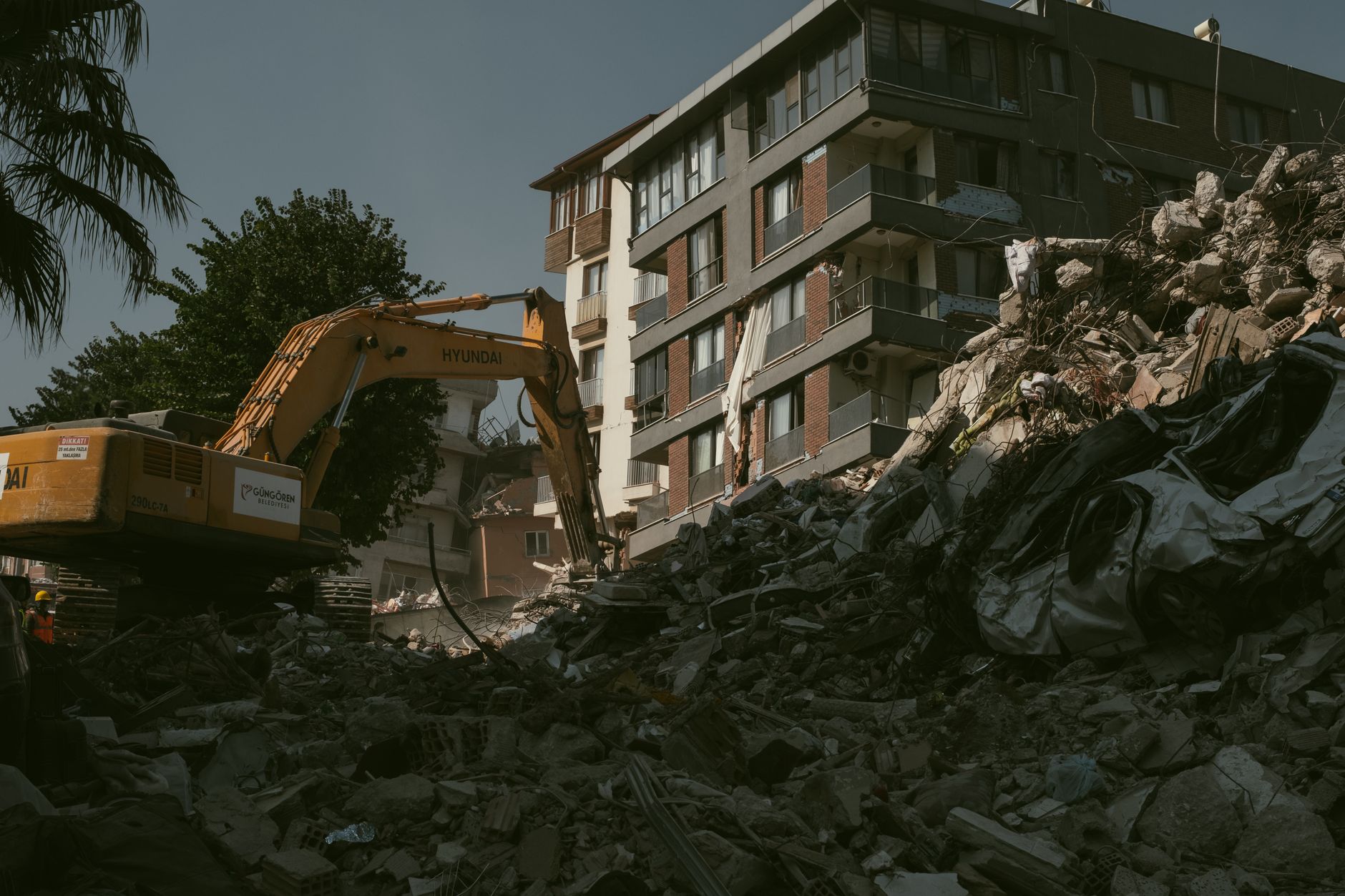
By early 2024, an estimated 200,000 to 300,000 people were still living in tents, and aid groups began rebuilding using superadobe (compressed-earth) construction — the first large-scale use of the earthquake-resistant technique in Afghanistan, with around 3,000 homes completed. Western Afghanistan sits above the Hari Rud fault system, part of the broader collision zone between the Arabian and Eurasian plates, and seismologists warn the region remains capable of similarly damaging shallow earthquakes.