At 00:30 local time on 21 June 1990, a magnitude 7.4 earthquake struck the Caspian Sea region of northern Iran, rupturing a complex system of faults near the towns of Manjil and Rudbar in Gilan province. Striking in the middle of the night, the shallow quake caught most residents asleep inside vulnerable adobe and unreinforced masonry housing typical of the region's rural villages.

According to USGS assessments, the disaster killed an estimated 35,000 to 50,000 people and injured 60,000 to 105,000 more, with over 400,000 left homeless across a devastated area of roughly 20,000 square kilometres spanning the Rasht-Qazvin-Zanjan region. Numerous villages built on steep hillsides were also buried or swept away by earthquake-triggered landslides, adding to the toll beyond the buildings that collapsed outright.
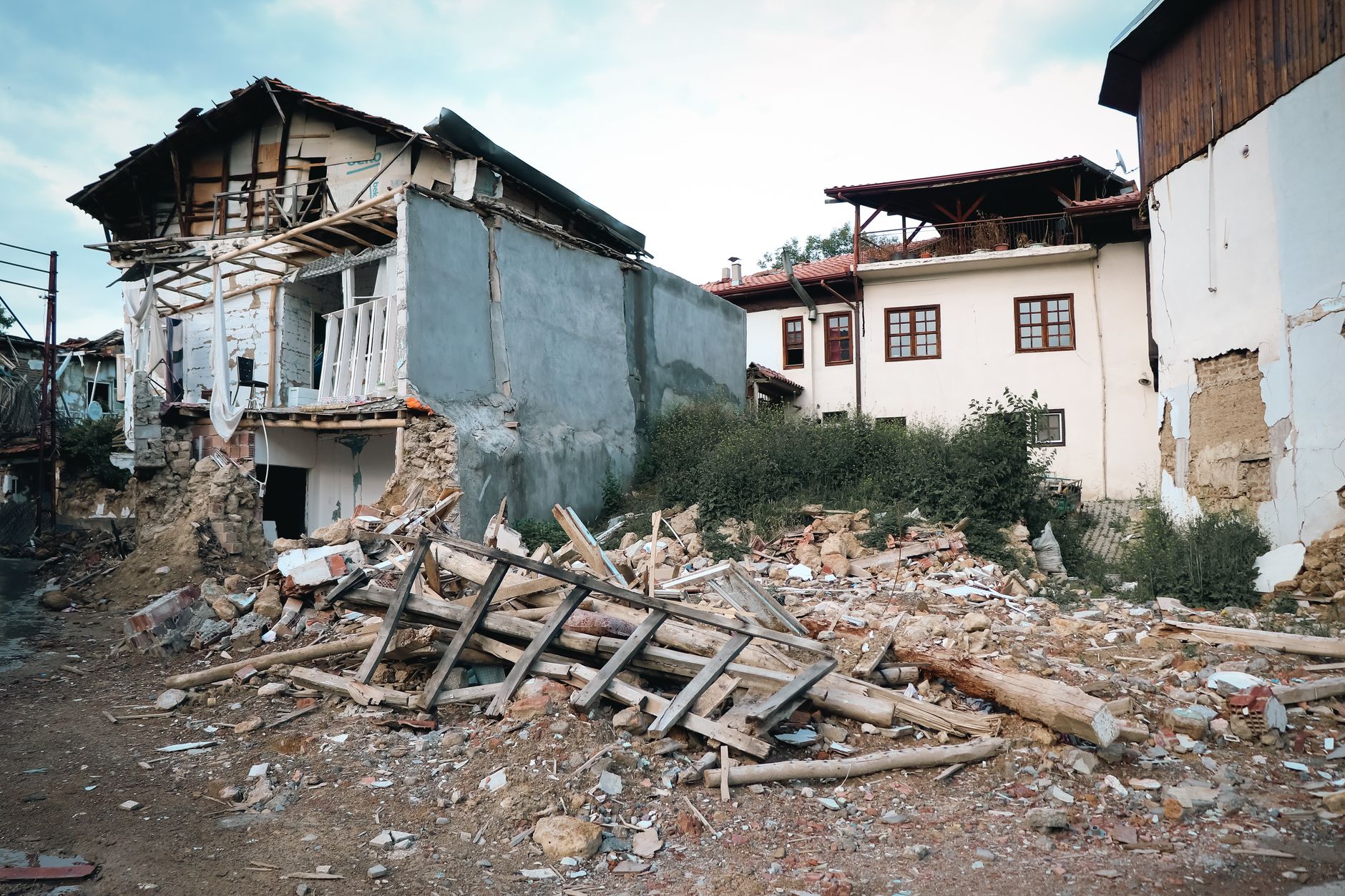
Shaking reached a maximum Modified Mercalli intensity of X (Extreme), among the highest ever assigned to an earthquake in Iran. Seismologists found that the rupture activated at least two separate, intersecting fault segments in sequence, producing unusually complex ground motion that was still being studied years afterward.
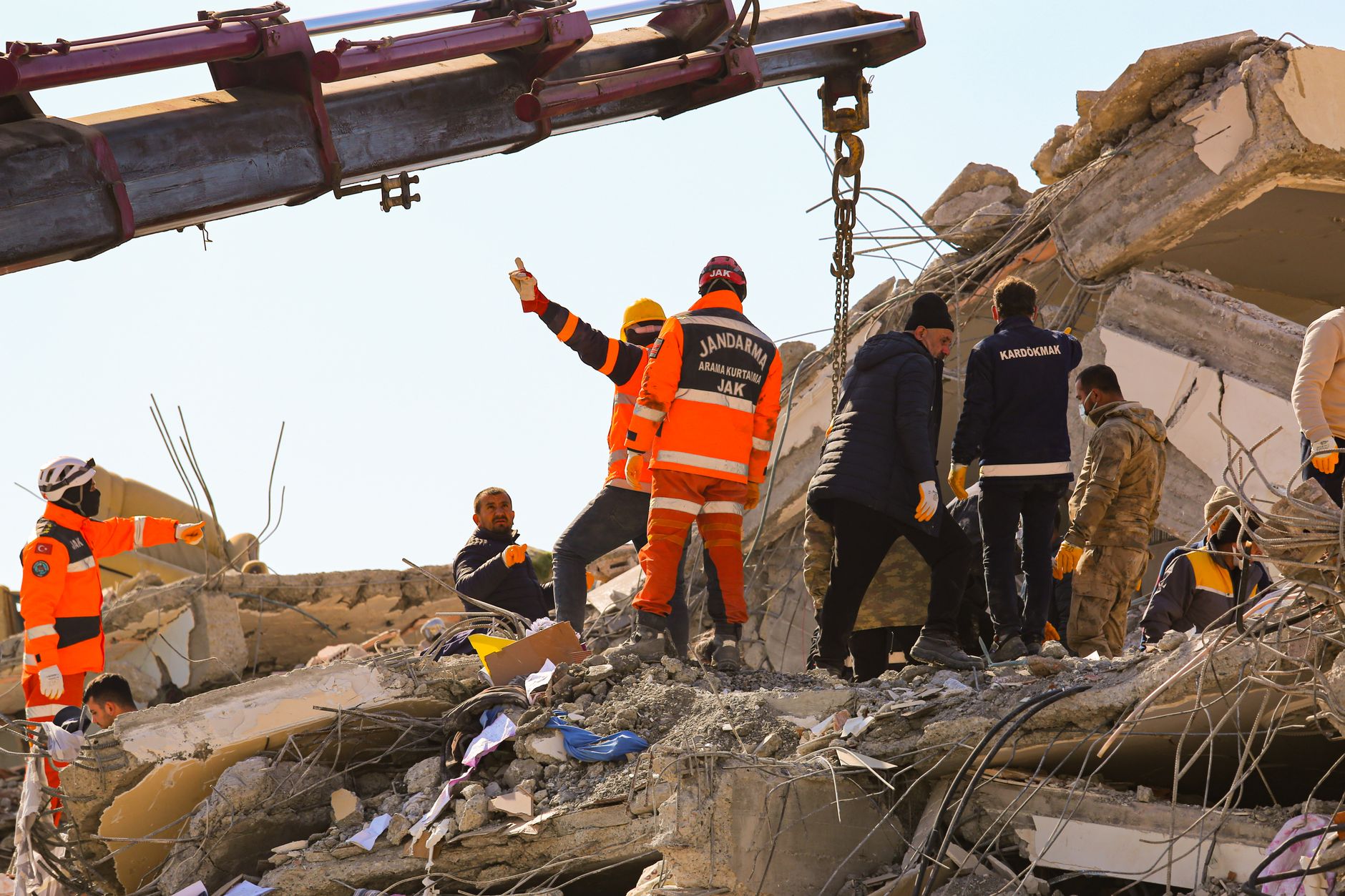
The Manjil-Rudbar earthquake remains Iran's deadliest disaster of the 20th century and pushed the government to introduce stricter seismic codes for rural reconstruction, though enforcement in remote villages has stayed inconsistent in the decades since. The Alborz fault system that produced it remains one of Iran's most closely monitored and hazardous seismic zones.