At 5:17 a.m. on 26 July 1963, a magnitude 6.1 earthquake struck Skopje, then the capital of the Socialist Republic of Macedonia within Yugoslavia. Although moderate in magnitude, its shallow depth of only about 6 km beneath the densely built city concentrated the shaking's energy right at the surface, with catastrophic results.
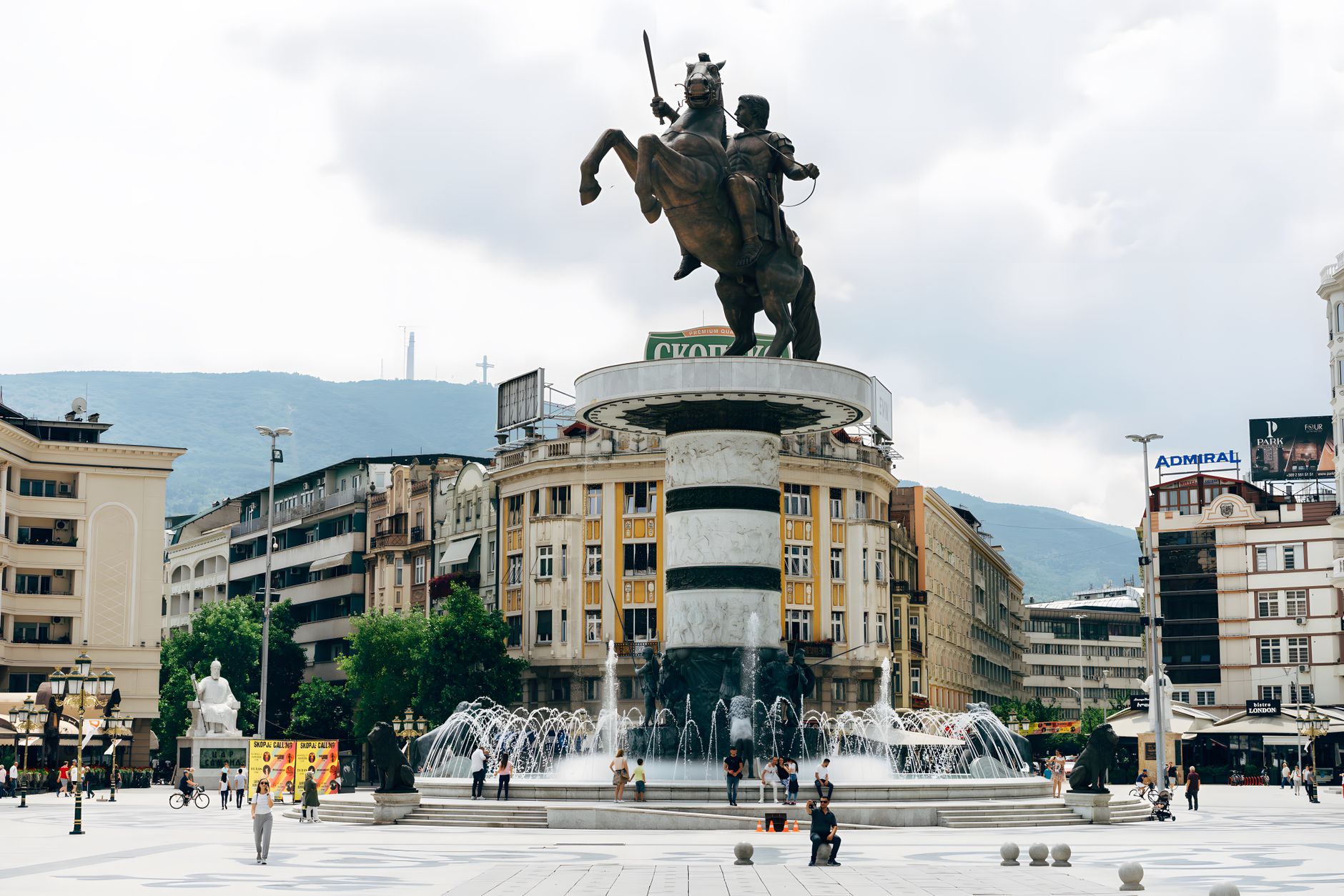
The quake killed an estimated 1,070 people, injured 3,000 to 4,000 more, and left over 200,000 of the city's roughly 200,000 residents homeless — effectively the entire population. About 80% of Skopje's buildings were destroyed or seriously damaged, including the main railway station, whose clock famously stopped at 5:17 and still stands today as a memorial.
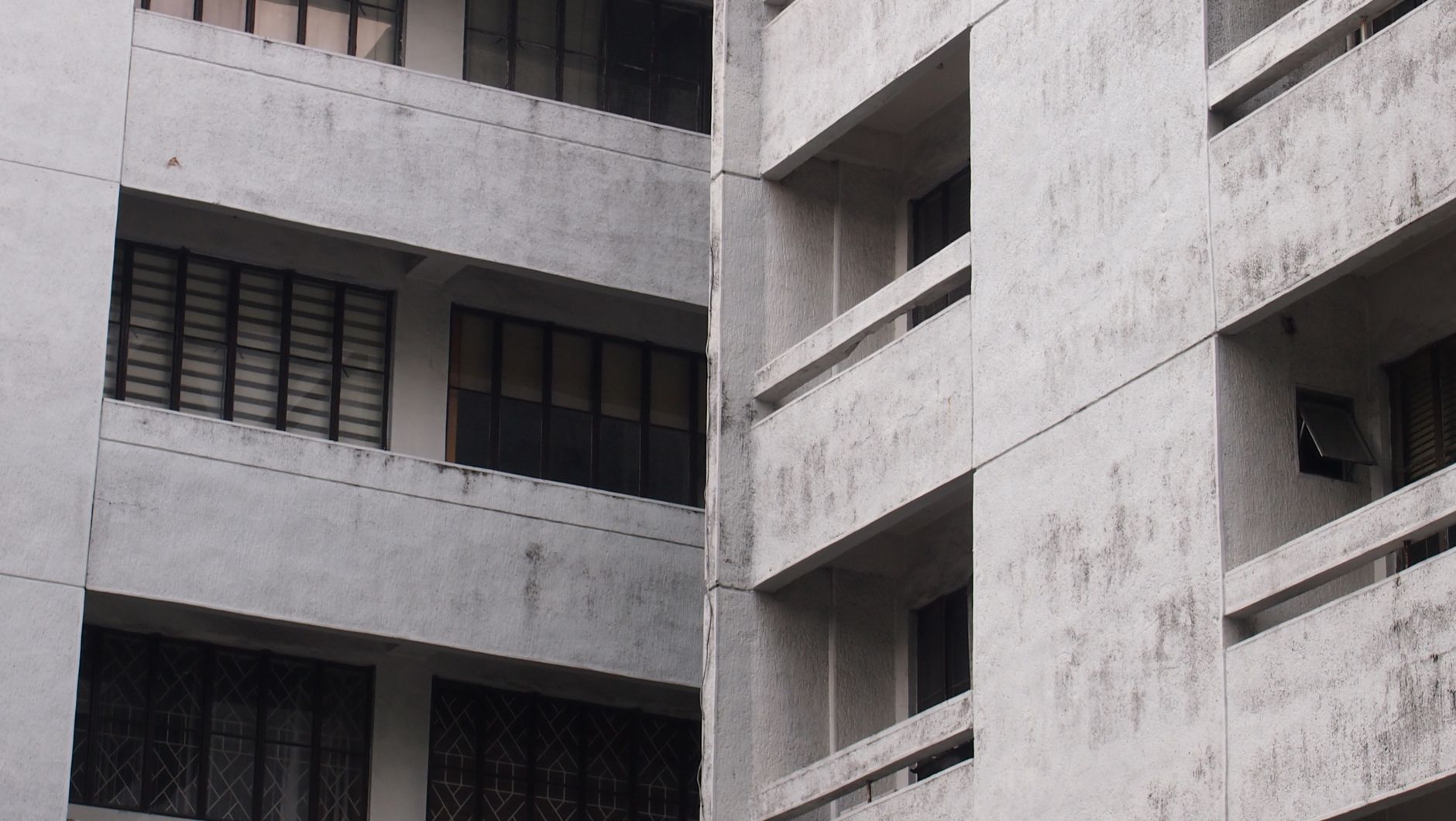
The disaster triggered an unprecedented international relief and reconstruction effort during the Cold War: the United Nations coordinated aid from more than 80 countries, and renowned urban planners, including Japanese architect Kenzo Tange, were commissioned to redesign the city. Skopje was rebuilt with wide boulevards and earthquake-resistant modernist architecture that still defines its skyline.
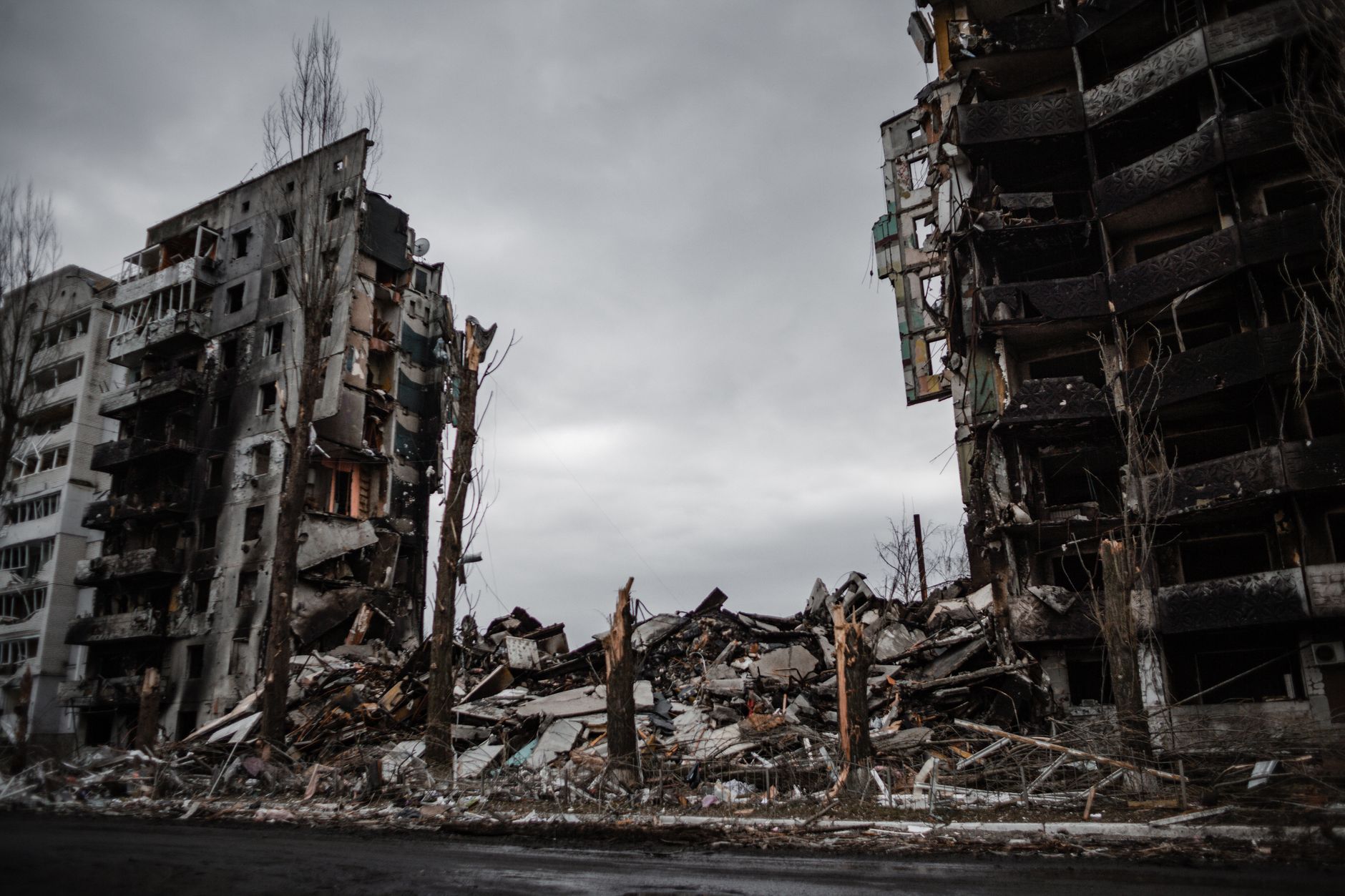
NOAA's National Centers for Environmental Information (NCEI) lists the 1963 Skopje earthquake among the most significant 20th-century events in its Euro-Mediterranean catalogue. It remains the most disastrous earthquake ever recorded in North Macedonia and a textbook case of how a shallow, moderate quake beneath a capital city can outstrip the damage of far larger events.