Yes, Concepción, in south-central Chile, is a very high-risk seismic zone and ranks among the cities most exposed to major earthquakes on Earth. It sits opposite the subduction zone where the Nazca plate dives beneath the South American plate, the same plate boundary that has produced the largest earthquakes ever recorded by instruments. The Biobío region lives with constant seismicity and the permanent risk of megathrust earthquakes.
Is Concepción a Seismic Zone? Earthquake Risk Explained
Advertisement
Latest quakes in this area
- Loading…
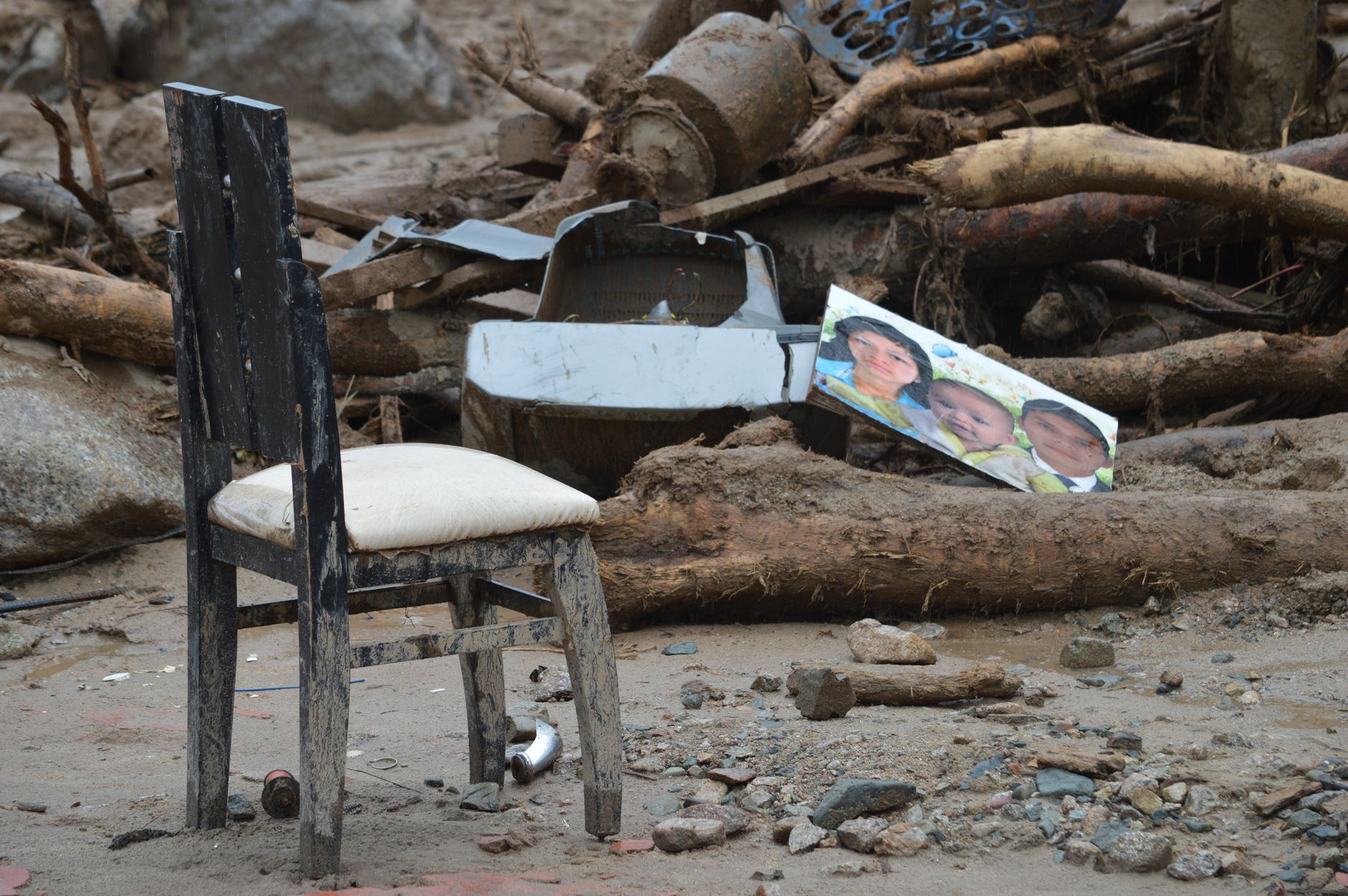
The most recent and devastating event was the Maule earthquake of 27 February 2010, magnitude 8.8, one of the strongest ever recorded, centered off the coast near Concepción. It killed hundreds, triggered a tsunami that devastated coastal towns, and caused massive damage across the city. The region had already suffered major historic earthquakes, including the 1835 quake famously described by Charles Darwin, who witnessed its destruction firsthand.
Because of its position above one of the most energetic subduction zones on the planet, Concepción is classified at Chile's highest seismic-hazard level. Chile's earthquake building codes, among the strictest in the world, and its tsunami warning systems are essential for a coastal city that must remain permanently prepared for major earthquakes.
See also
Advertisement