Japan sits at the meeting point of four tectonic plates, the Pacific, Philippine Sea, Eurasian and North American, making it one of the most seismically active places on the planet. Along its Pacific coast the ocean floor is forced beneath the archipelago in vast subduction zones such as the Japan Trench and the Nankai Trough, storing the strain that is later released as major earthquakes.
Earthquakes in Japan
Advertisement
Latest quakes in this area
- Loading…
The most exposed regions run down the Pacific side, from Tohoku and the Kanto plain around Tokyo to the coasts facing the Nankai Trough in the south. The magnitude 9.0 Tohoku earthquake of 11 March 2011 and its tsunami are the clearest reminder of that risk: the disaster killed close to 20,000 people, triggered the Fukushima Daiichi nuclear accident, and remains the most powerful earthquake ever measured in Japan.
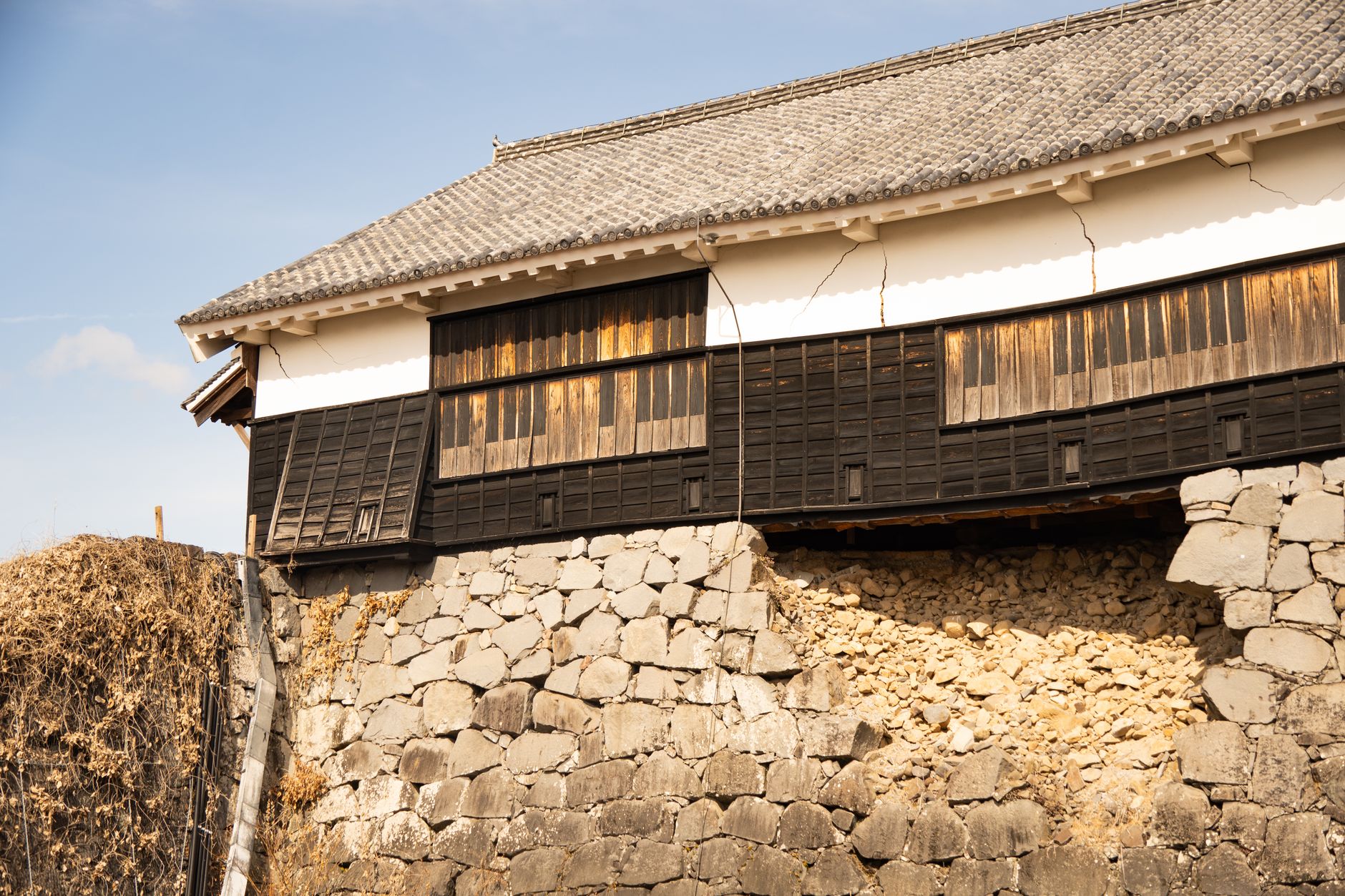
Japan's earthquake history is long and well documented. The 1923 Great Kanto earthquake (magnitude 7.9) killed an estimated 105,000 people in and around Tokyo and Yokohama, most of them in the firestorms that followed the shaking, and remains the country's deadliest disaster. The 1995 Great Hanshin earthquake (magnitude 6.9) struck Kobe and killed more than 6,400 people, exposing weaknesses in older buildings and elevated highways that led to a nationwide overhaul of construction codes. More recently, the 2016 Kumamoto earthquakes — a magnitude-6.2 foreshock followed two days later by a magnitude-7.0 mainshock — badly damaged the historic Kumamoto Castle and killed around 50 people. Most recently, the magnitude 7.5 2024 Noto Peninsula earthquake struck Ishikawa Prefecture on New Year's Day, killing over 500 people once disaster-related deaths are counted and burning down part of Wajima's historic morning market.
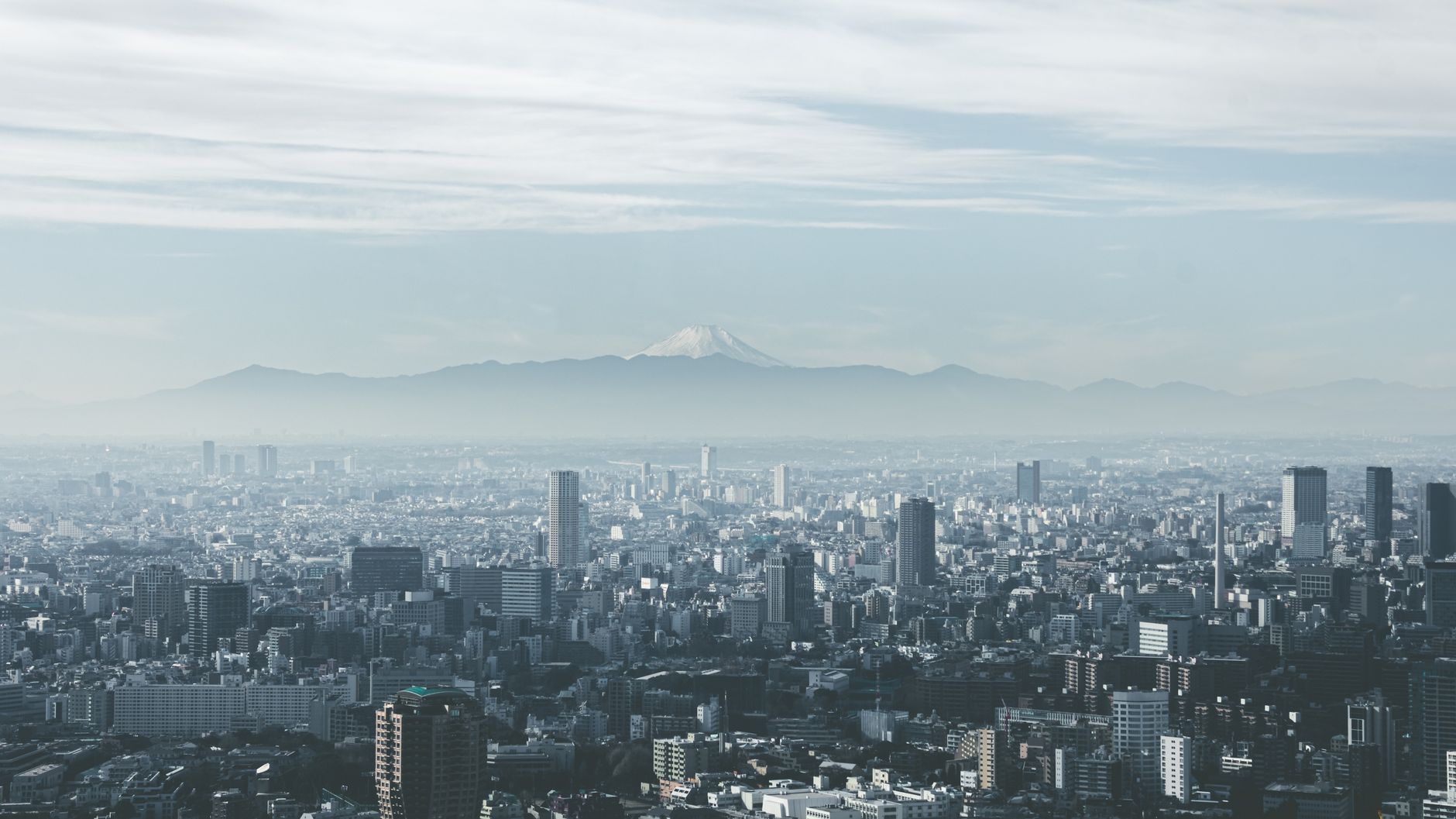
Looking ahead, Japan's Headquarters for Earthquake Research Promotion has long flagged the Nankai Trough, the subduction zone running along the country's southern Pacific coast, as capable of producing a megathrust earthquake above magnitude 8, with estimates putting the probability of such an event within 30 years at around 70-80%. Tokyo itself faces a similar long-term risk: authorities estimate a roughly 70% chance of a magnitude-7-class earthquake striking the greater Tokyo area within any 30-year period, which is why the capital enforces strict seismic codes and runs a nationwide Earthquake Early Warning system that can broadcast alerts seconds before strong shaking arrives.
Advertisement
Frequently asked questions
Why does Japan have so many earthquakes?
Japan sits where four tectonic plates meet — the Pacific, Philippine Sea, Eurasian and North American — and the Pacific and Philippine Sea plates are constantly forced beneath the archipelago along subduction zones such as the Japan Trench and the Nankai Trough, releasing that stored strain as frequent earthquakes.
What is the biggest earthquake ever recorded in Japan?
The magnitude-9.0 Tohoku earthquake of 11 March 2011, the most powerful ever measured in Japan and the fourth-largest recorded anywhere since modern seismographs began operating. Its tsunami killed close to 20,000 people and triggered the Fukushima Daiichi nuclear accident.
What was Japan's deadliest earthquake?
The Great Kanto earthquake of 1 September 1923 (magnitude 7.9) remains Japan's deadliest, killing an estimated 105,000 people in and around Tokyo and Yokohama, mostly in the firestorms that swept the cities after the shaking.
What happened in the 1995 Kobe earthquake?
The magnitude-6.9 Great Hanshin earthquake struck Kobe on 17 January 1995, killing more than 6,400 people. It exposed weaknesses in older buildings and elevated highways and led Japan to overhaul its seismic building codes.
Is Tokyo at risk of a major earthquake?
Yes. Tokyo sits on the Kanto plain near the boundary of three plates, and Japan's Headquarters for Earthquake Research Promotion has long estimated a roughly 70% probability of a magnitude-7-class earthquake striking the greater Tokyo area within any 30-year period.
How does Japan prepare for earthquakes?
Japan enforces some of the world's strictest seismic building codes, runs a nationwide Earthquake Early Warning system that can broadcast alerts seconds before strong shaking arrives, and holds regular nationwide evacuation drills, including the annual Disaster Prevention Day on 1 September, the anniversary of the 1923 Kanto earthquake.
See also
Advertisement