At 16:10 JST on 1 January 2024, New Year's Day, a magnitude 7.5 earthquake (Mw, USGS; Mj 7.6 on Japan's own JMA scale) struck beneath the Noto Peninsula in Ishikawa Prefecture, on Japan's western coast facing the Sea of Japan. The shallow rupture, at a depth of roughly 10-16 km, was preceded by more than three years of unusual swarm seismicity beneath the peninsula that had already put scientists on alert.
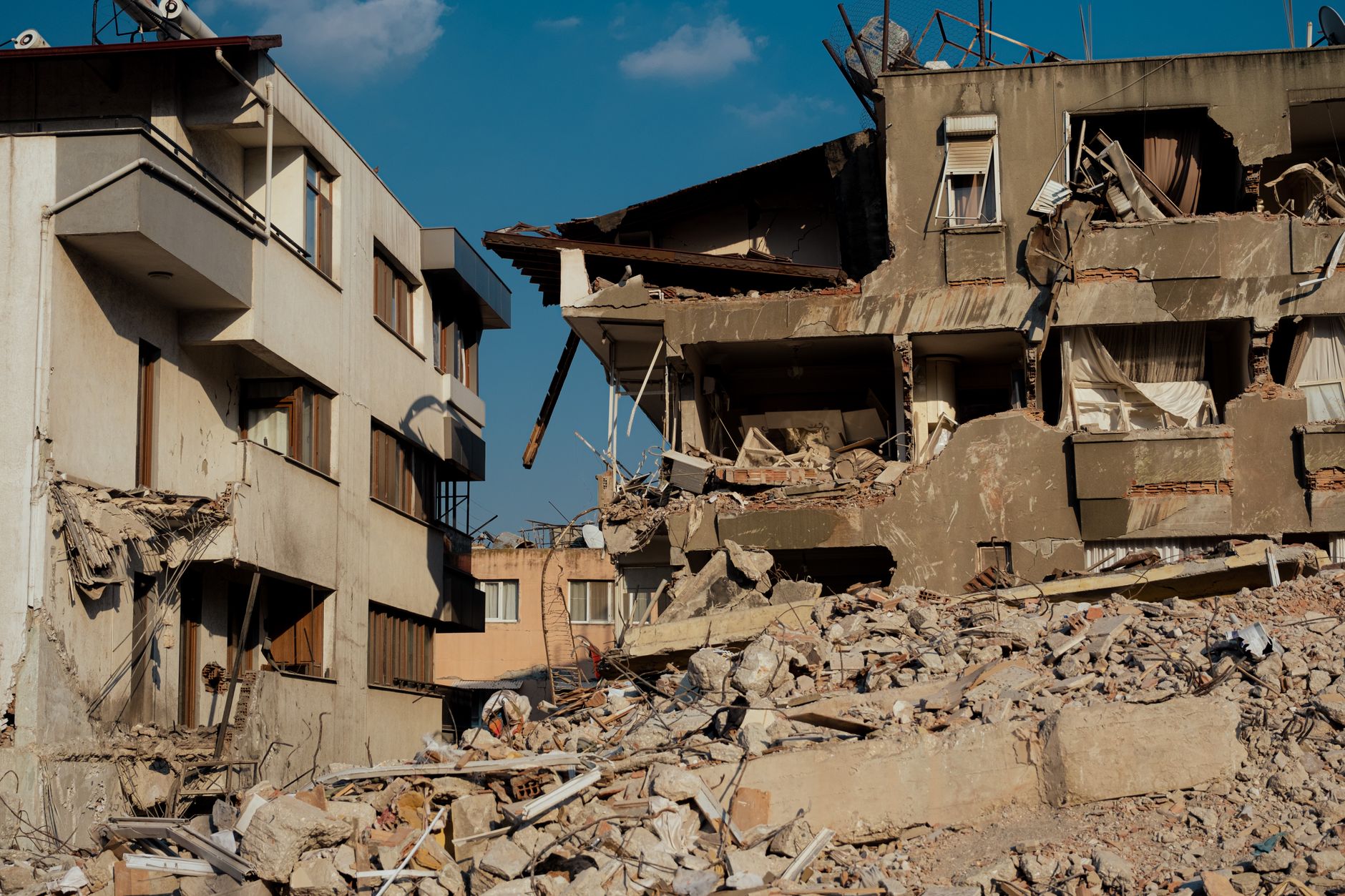
Official counts confirmed 228 people killed directly by the quake, and by the end of 2024 a further 261 deaths were attributed to the physical and mental toll of evacuation and displacement, pushing the total close to 500. Around 100,000 buildings were damaged or destroyed, and fire swept through the historic Asaichi-dori morning market district in Wajima, burning roughly 240 buildings to the ground.
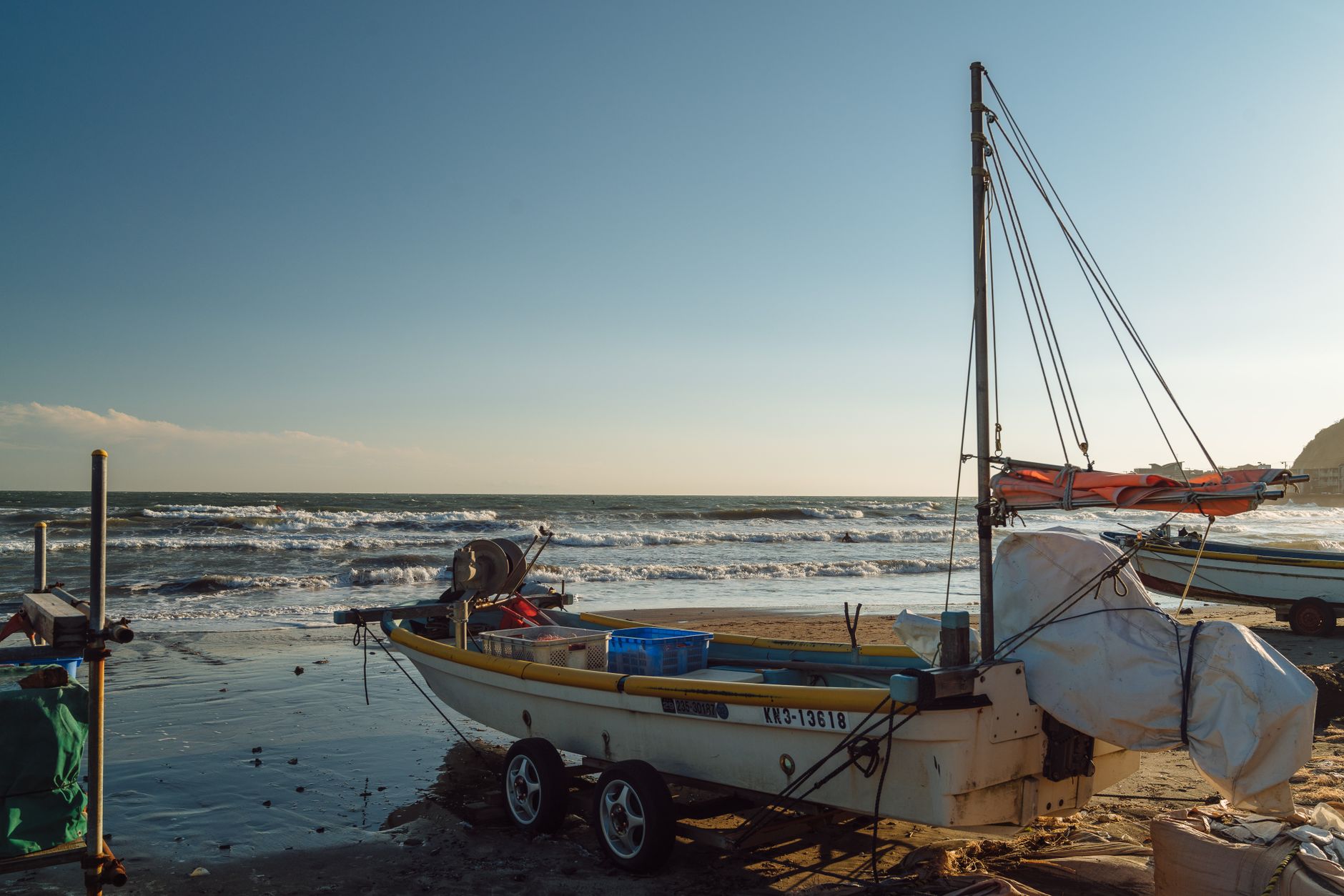
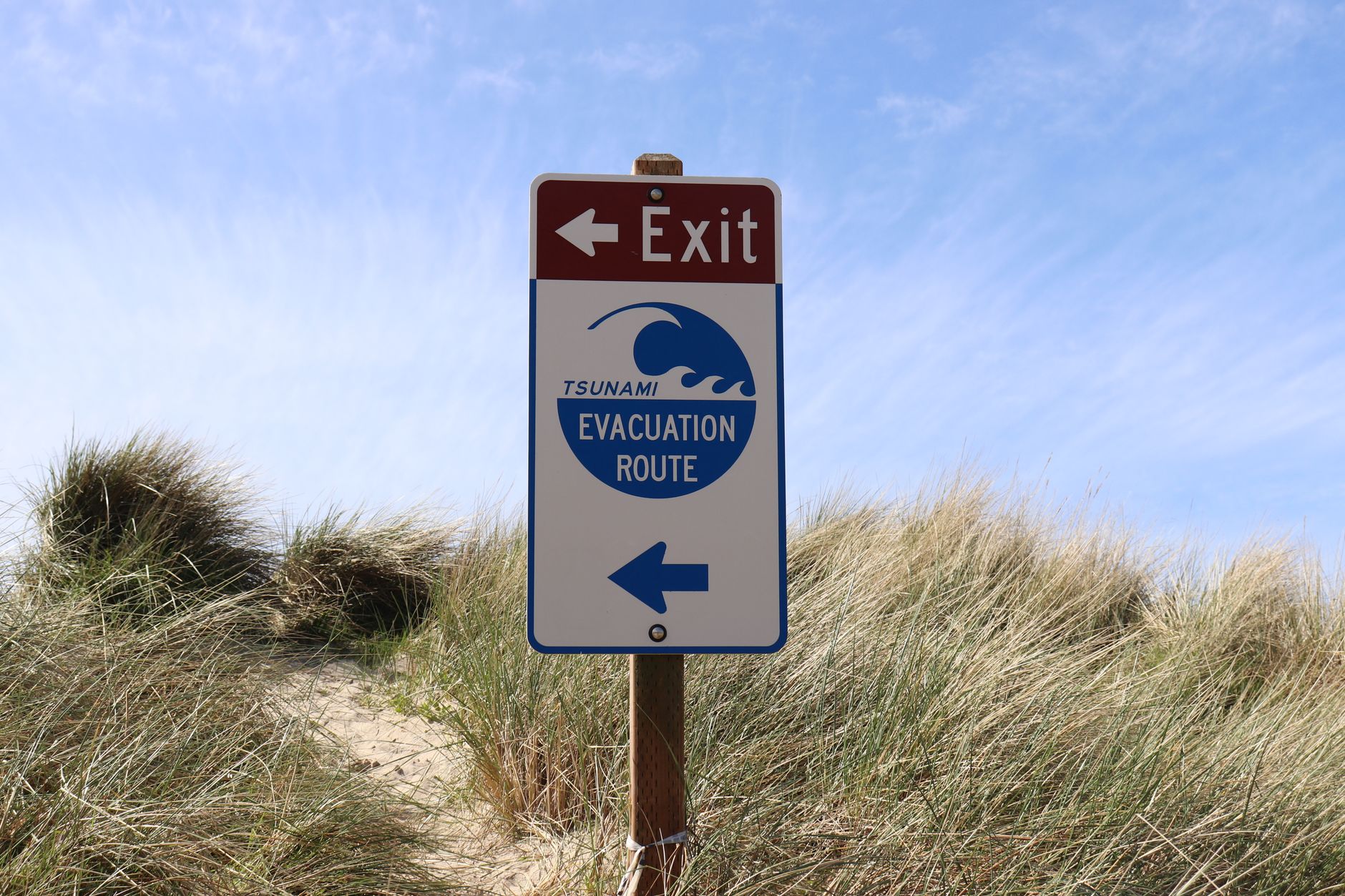
The Sea of Japan is usually spared major tsunamis, but the Japan Meteorological Agency issued a major tsunami warning within minutes and recorded waves of at least 1.2 metres at Wajima; researchers later modelled run-up as high as 3.6 metres at some points on the coast. USGS ground-deformation data showed part of the peninsula's coastline was permanently uplifted by roughly 4 metres, pushing the seafloor above the waterline at several harbours.
The remote, mountainous geography of the Noto Peninsula — with roads cut by landslides and only a handful of access routes — badly slowed rescue and aid delivery in the freezing first days of January, echoing lessons from earlier isolated-region disasters. The disaster renewed Japanese debate over ageing, sparsely populated coastal regions where reinforcement of older wooden houses lags behind the rest of the country, and it prompted the government to accelerate subsidy programmes for retrofitting homes built before Japan's modern seismic code.
NOAA's National Centers for Environmental Information catalogues the Noto Peninsula earthquake among the most significant seismic events of the decade, and it now serves as a reference case for hazard planning along Japan's Sea of Japan coast, a stretch long considered lower risk than the Pacific side that produced the 2011 Tōhoku disaster.