Paraguay is one of South America's most seismically quiescent countries. Landlocked and located deep in the stable interior of the South American plate, Paraguay experiences almost no earthquake activity. The country lies hundreds of kilometres from any plate boundary — far from the Nazca subduction zone that dominates seismic activity to the west in Peru and Chile, and distant from the complex Caribbean plate boundary hazards that affect neighbouring countries like Venezuela and Colombia.
Earthquakes in Paraguay: Live Map & Stable Interior Low-Risk Zone
Advertisement
Latest quakes in this area
- Loading…
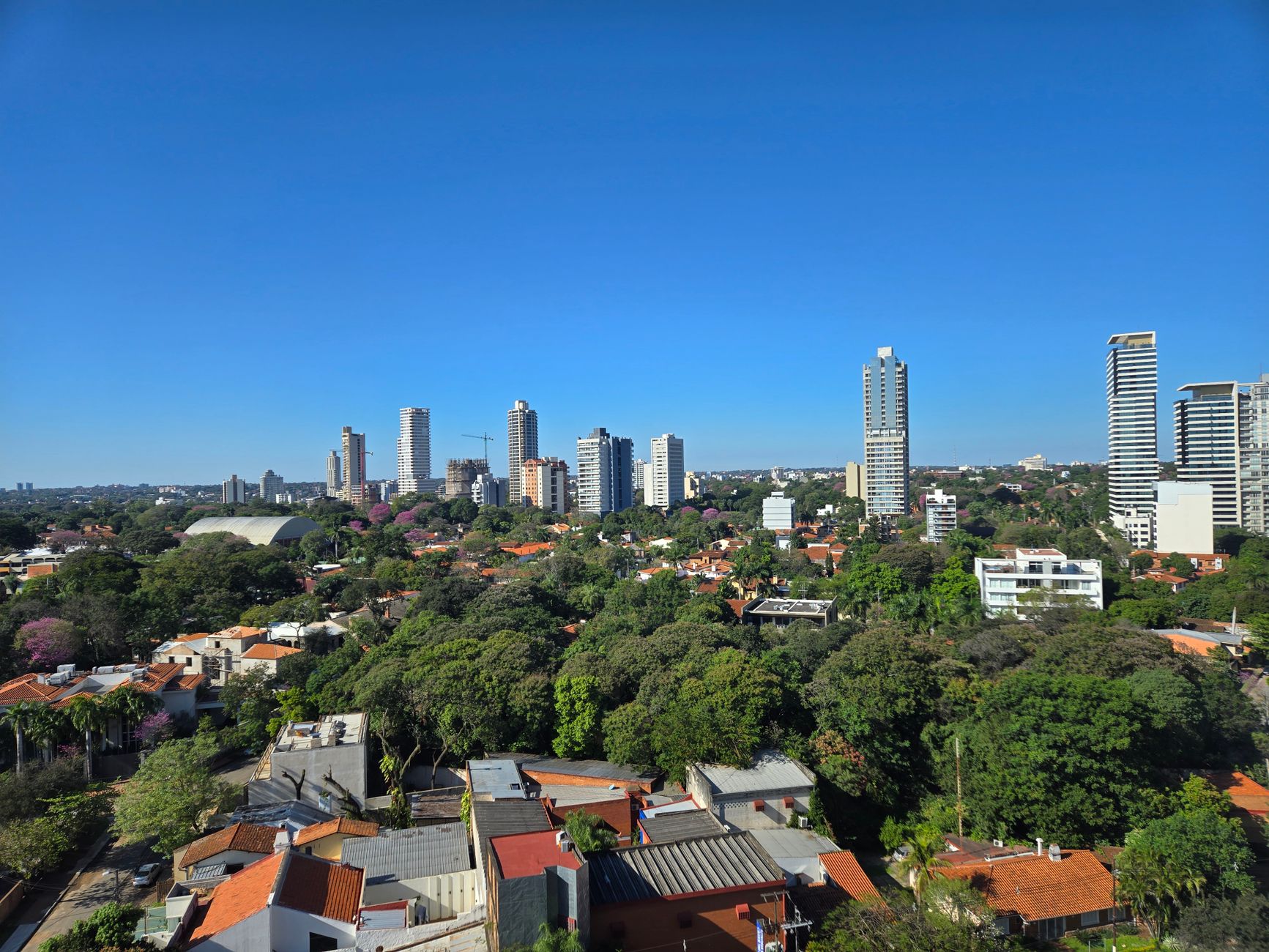
Asunción, Paraguay's capital and largest city, sits on the Paraguay River in the eastern part of the country, in an area of essentially zero seismic hazard. In recorded history, Paraguay has experienced essentially no significant or damaging earthquakes. Rare, very small tremors occasionally occur, usually originating hundreds or even thousands of kilometres away in the active Andes of neighbouring Argentina, Peru or Chile, but by the time these distant waves reach Paraguay, they are far too small to be felt or cause any damage.
Paraguay's National Meteorological Service (Servicio Meteorológico Nacional) does not maintain a dedicated seismic monitoring network, reflecting the country's extremely low earthquake risk. Building codes in Paraguay do not include seismic requirements. The practical threats to the country come from flooding, especially along major rivers like the Paraná and Paraguay during seasonal rains, and occasional severe storms — not earthquakes. For residents and visitors to Paraguay, earthquake preparedness is not a safety priority.
See also
Advertisement