No, Uruguay does not have significant earthquake risk. The country sits on the ancient, stable Río de la Plata Craton, in the passive interior of the South American plate — roughly 1,500 km from the active Andean subduction zone to the west and thousands of kilometres from the Mid-Atlantic Ridge to the east. This tectonic setting makes Uruguay one of the seismically quietest countries in South America.
Earthquakes in Uruguay: Live Map & Why the Country Rarely Shakes
Advertisement
Latest quakes in this area
- Loading…
Unlike Chile, Peru or Argentina, Uruguay has no subduction zone or major active fault system running through it. Recorded seismicity is low-to-moderate and consists mostly of small, rarely felt tremors. Recent research points to occasional reactivation of ancient buried structures, such as the Quilmes Trough linking the Santa Lucía basin in Uruguay with the Salado basin in neighbouring Argentina, as a source of the country's sparse intraplate earthquakes.
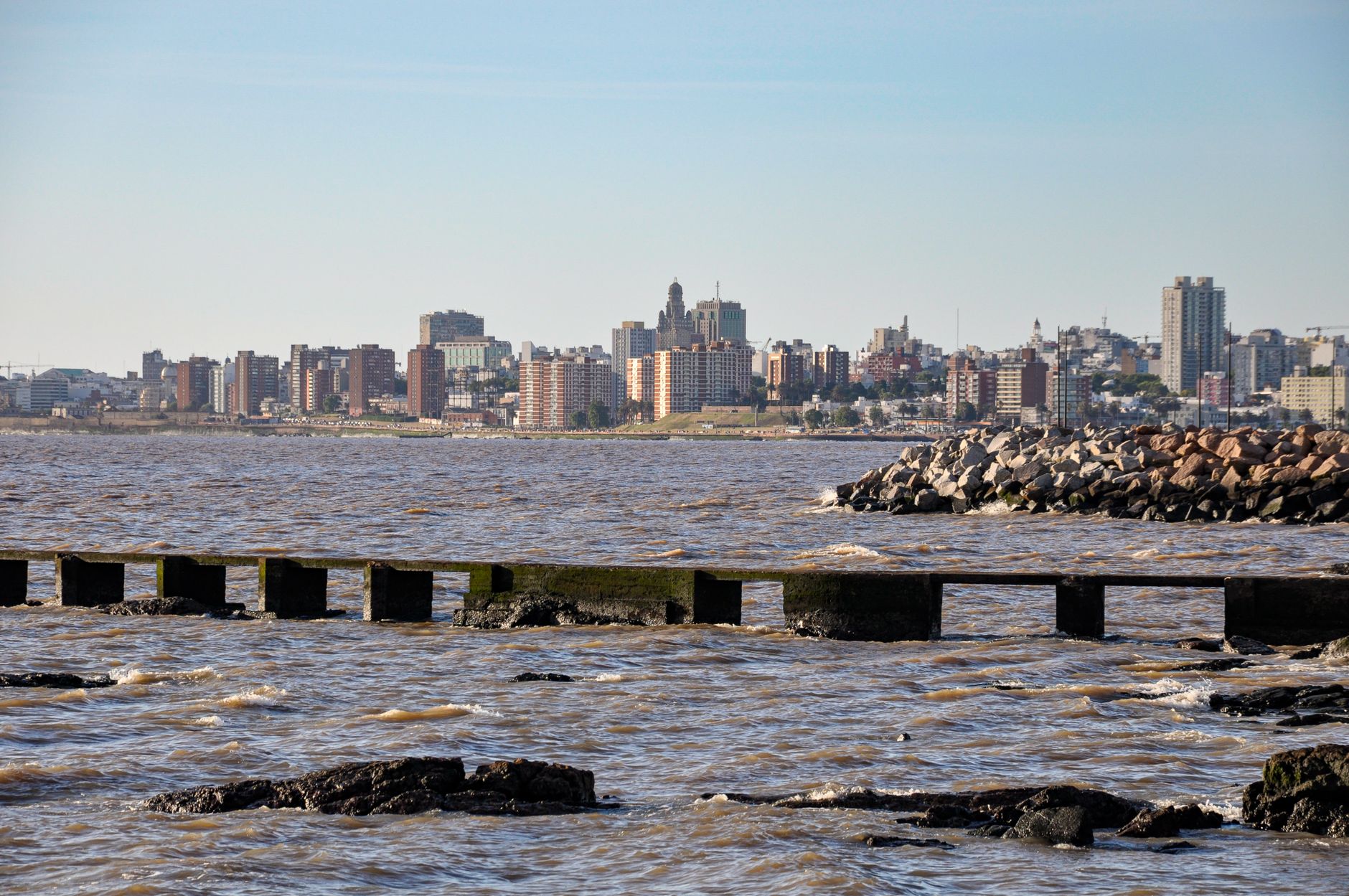
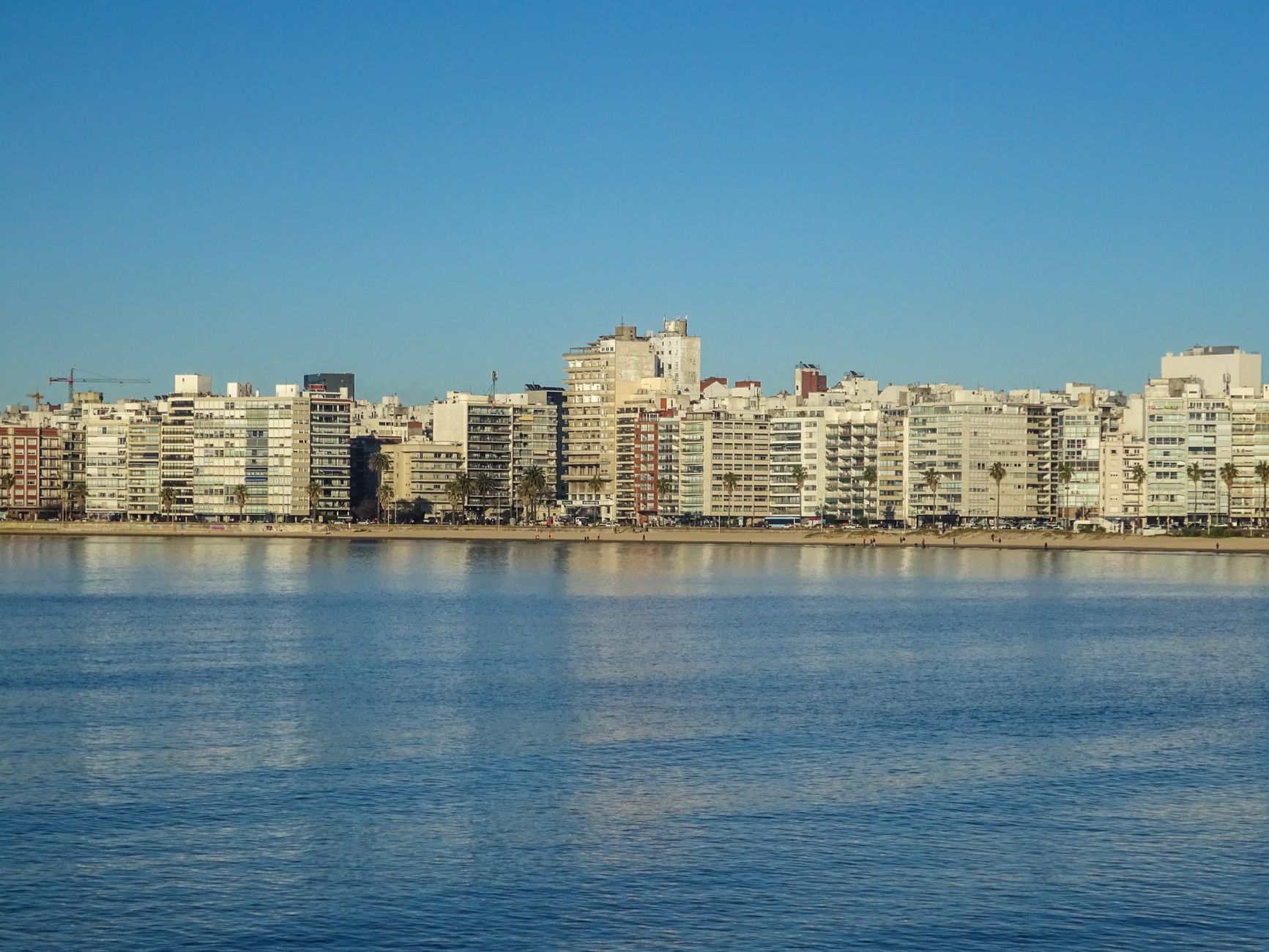
Montevideo, Uruguay's capital and largest city, sits on the northern shore of the Río de la Plata estuary and has never experienced a significant damaging earthquake in recorded history. When small tremors are felt in Uruguay, they are usually weak, shallow, intraplate events rather than echoes from distant plate-boundary quakes. Uruguay does not operate a dedicated national seismic-hazard building code comparable to its Andean neighbours, reflecting how low the country's overall seismic risk is.
See also
Advertisement