At 03:36 local time on 24 August 2016, a magnitude 6.2 earthquake (Mw, USGS; initially rated 6.0 by Italy's INGV) struck the central Apennines near Accumoli, in Rieti province, at an unusually shallow depth of just 4.4 km. The rupture occurred on a normal fault within the same extensional system that produced the deadly 2009 L'Aquila earthquake 45 km to the south.
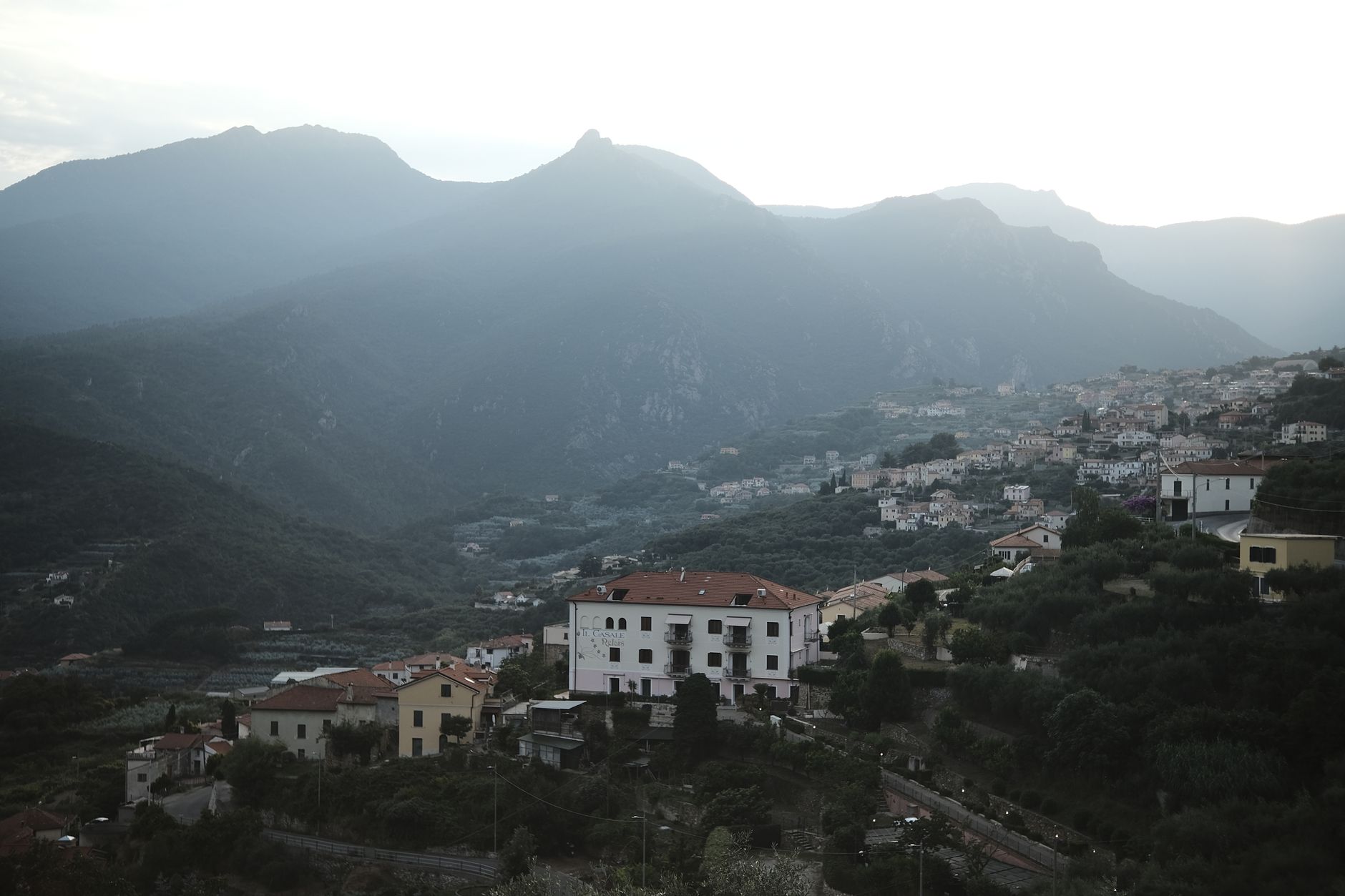
The quake killed 299 people — 280 Italians and 19 foreign nationals, including 11 Romanians — and injured around 388 more, leaving some 4,500 people homeless. The medieval hill town of Amatrice suffered the worst destruction; its mayor said 'half the town no longer exists.' The nearby villages of Accumoli and Pescara del Tronto were almost completely levelled, and the 16th-century Church of Sant'Agostino in Amatrice lost its rose window and façade.
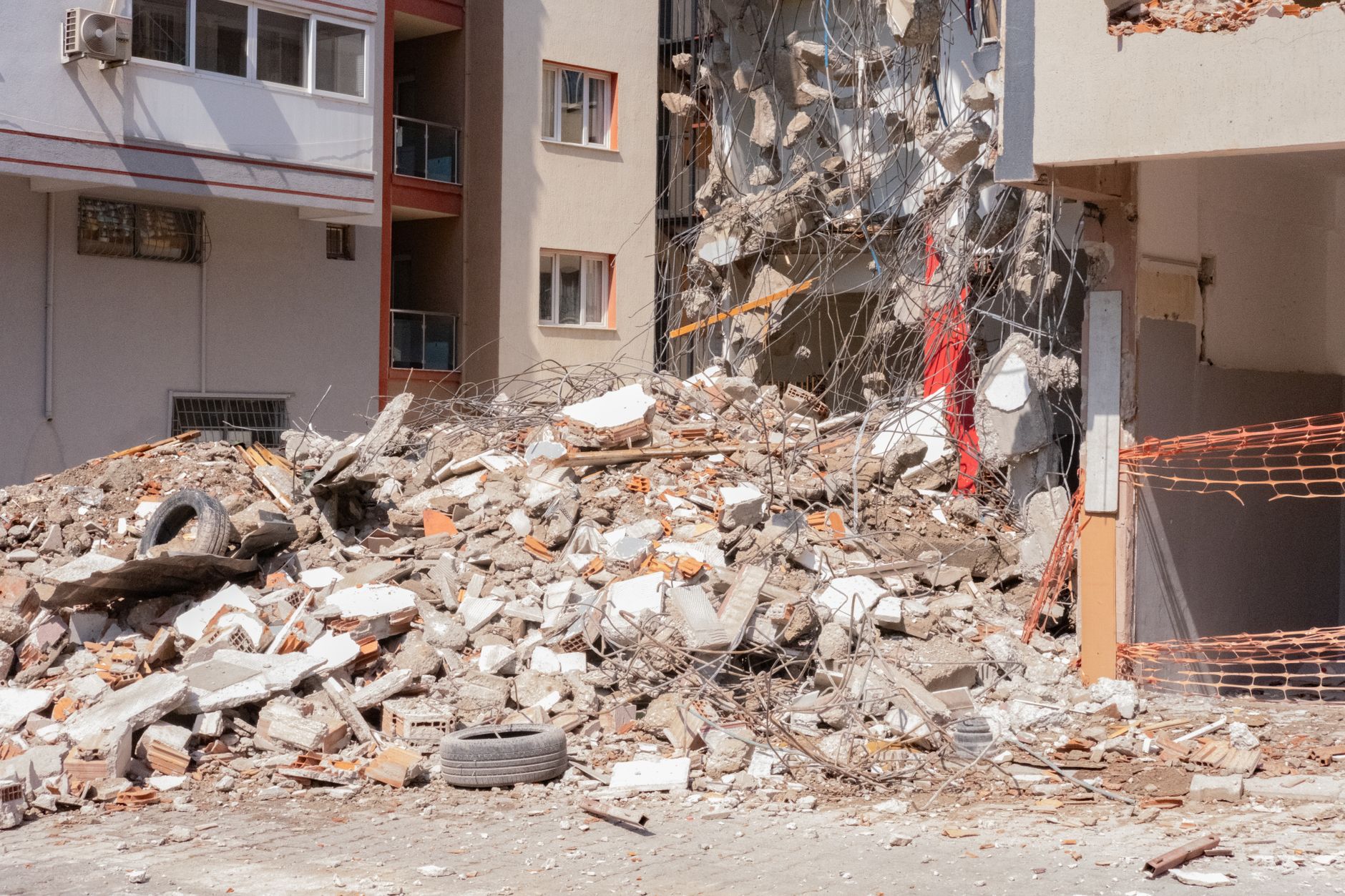
More than 2,500 aftershocks were recorded within days, and the same fault system kept rupturing for months: a magnitude 6.5 quake struck near Norcia on 30 October 2016 — Italy's strongest since the 1980 Irpinia earthquake — followed by further large aftershocks in January 2017 that also triggered a deadly avalanche at the Rigopiano mountain hotel. Together the 2016–17 sequence caused several billion euros in damage and displaced tens of thousands of people across four regions.

Rescue teams pulled 238 people alive from the rubble in the days after the initial shock, deploying some 4,400 personnel. As in L'Aquila seven years earlier, reconstruction dragged on for years amid bureaucratic delays, and Amatrice's historic centre remained largely rubble long after the disaster, turning the town into a recurring case study in Italy's difficulty rebuilding after a major earthquake.