Just before midnight on 24 January 1939 (03:32 UTC on the 25th), a magnitude 8.3 earthquake struck south-central Chile near the city of Chillán, roughly 400 km south of Santiago, with an estimated depth between 60 and 100 km. It remains the deadliest earthquake in Chilean history, ahead of even the record-breaking 1960 Valdivia megaquake.
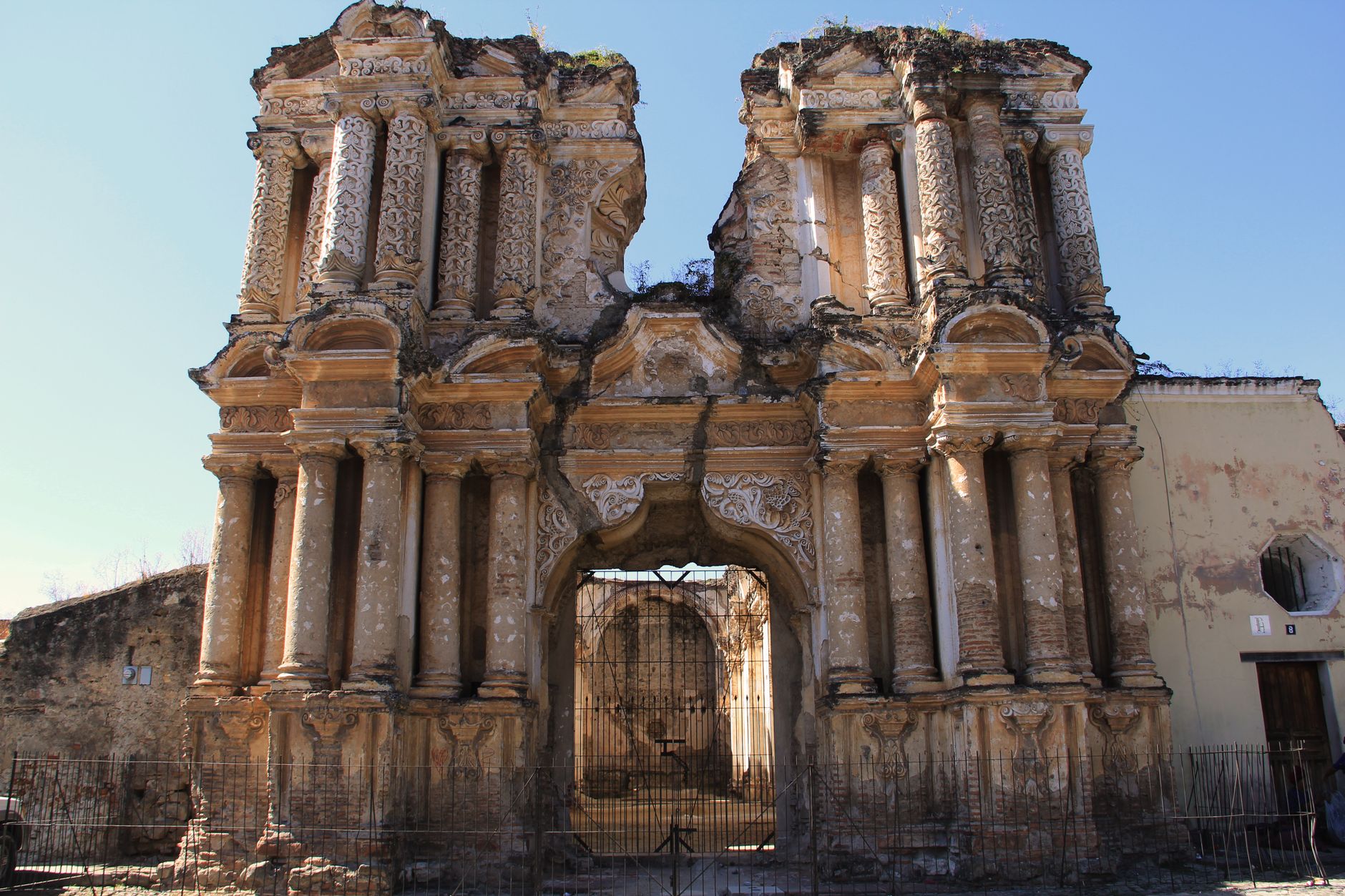
Around 28,000 people were killed and roughly 40,000 injured, with some estimates running far higher. Chillán lost more than half its buildings, including about 3,500 homes and its cathedral, which was completely destroyed. In nearby Concepción, close to 95% of structures were damaged or destroyed.
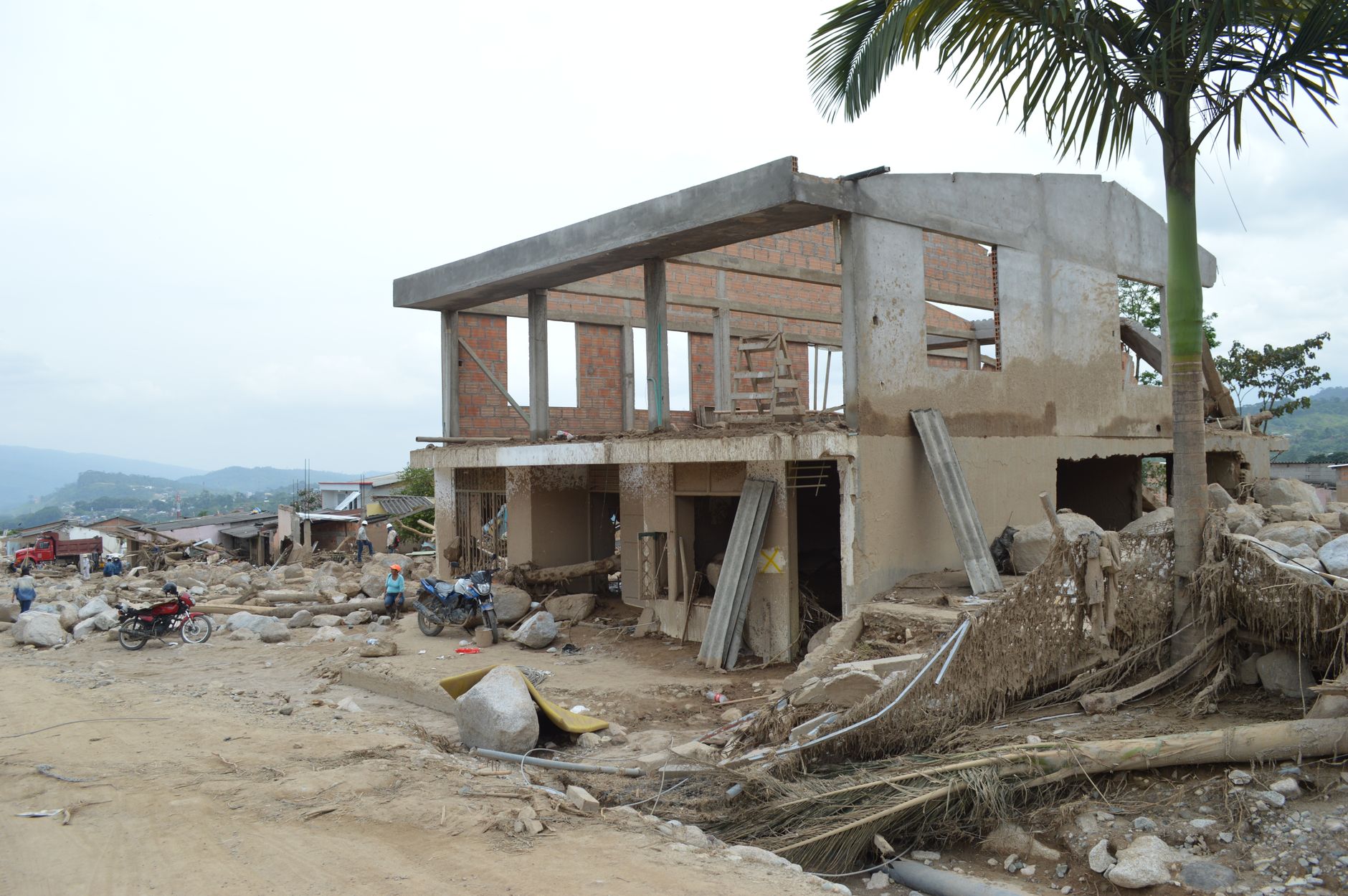
Rescue and relief were slowed by damaged roads and communications in the mountainous region; a US Army Air Corps mission flew emergency medical supplies to Chile, covering nearly 5,000 miles in under 50 hours to reach survivors.
The disaster reshaped Chilean state policy: the government created CORFO, the national production development corporation, to coordinate reconstruction and drive industrialization, and it accelerated the country's push toward the strict seismic building codes that would later limit casualties in far larger earthquakes, including 1960 and 2010.