On 28 October 1707, a great earthquake estimated at magnitude 8.6 struck along the Nankai Trough off the Pacific coast of Japan. It was the largest earthquake in Japan's recorded history until the 2011 Tōhoku disaster, and it remains the only known instance of every segment of the Nankai Trough — the Tōkai, Tōnankai and Nankai zones — rupturing simultaneously in a single event, rather than in the staggered sequence typically seen in the trough's history.
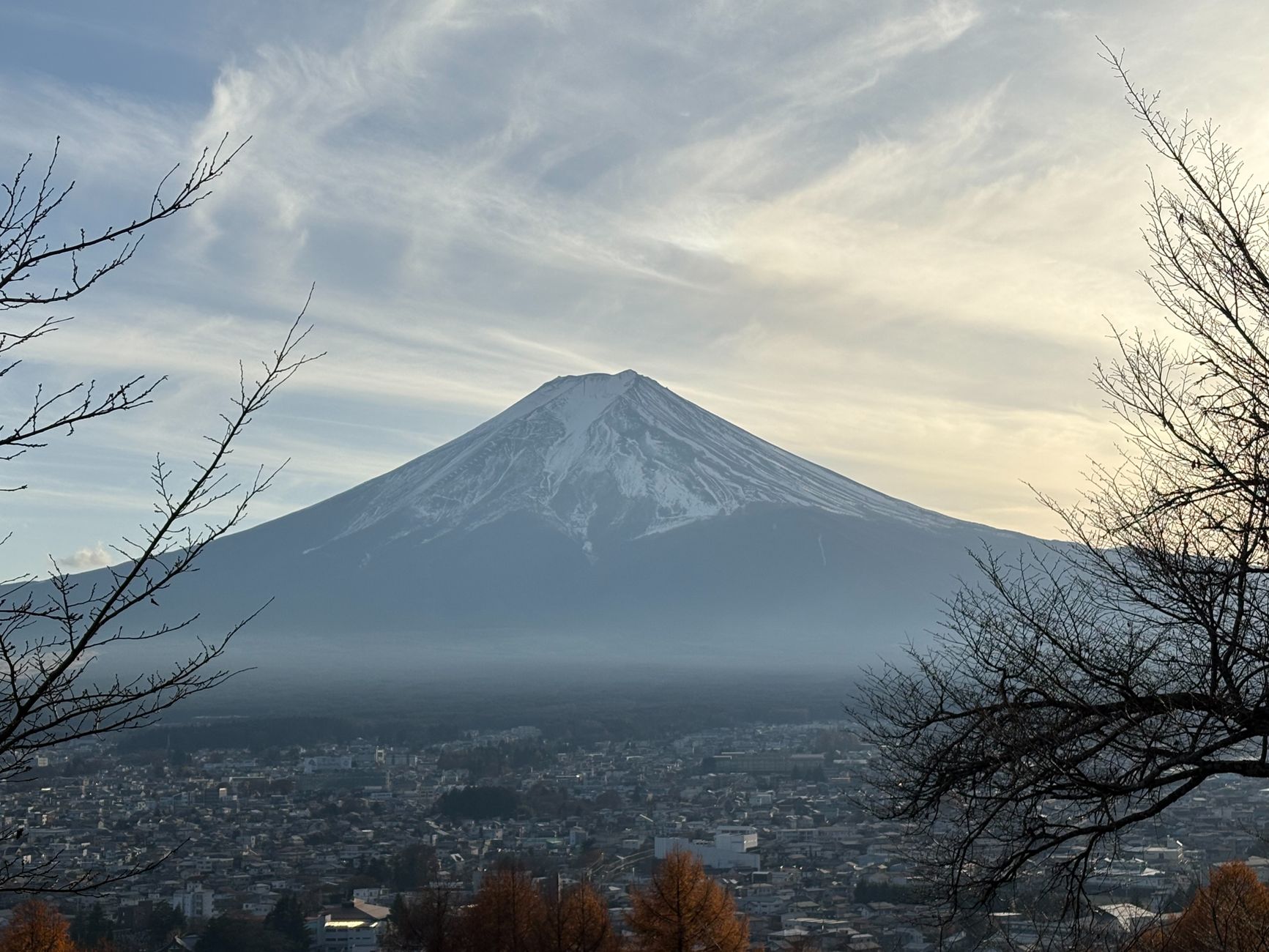
The shaking devastated a huge stretch of Japan's Pacific coast from the Tokai region to Shikoku and Kyushu, and the resulting tsunami inundated coastal communities across the same region, with waves reported as high as 10 metres in places. Death toll estimates range from around 5,000 to over 20,000 depending on the historical source, complicated by the difficulty of separating deaths caused by the shaking from those caused by the tsunami across such a wide area of feudal-era Japan.
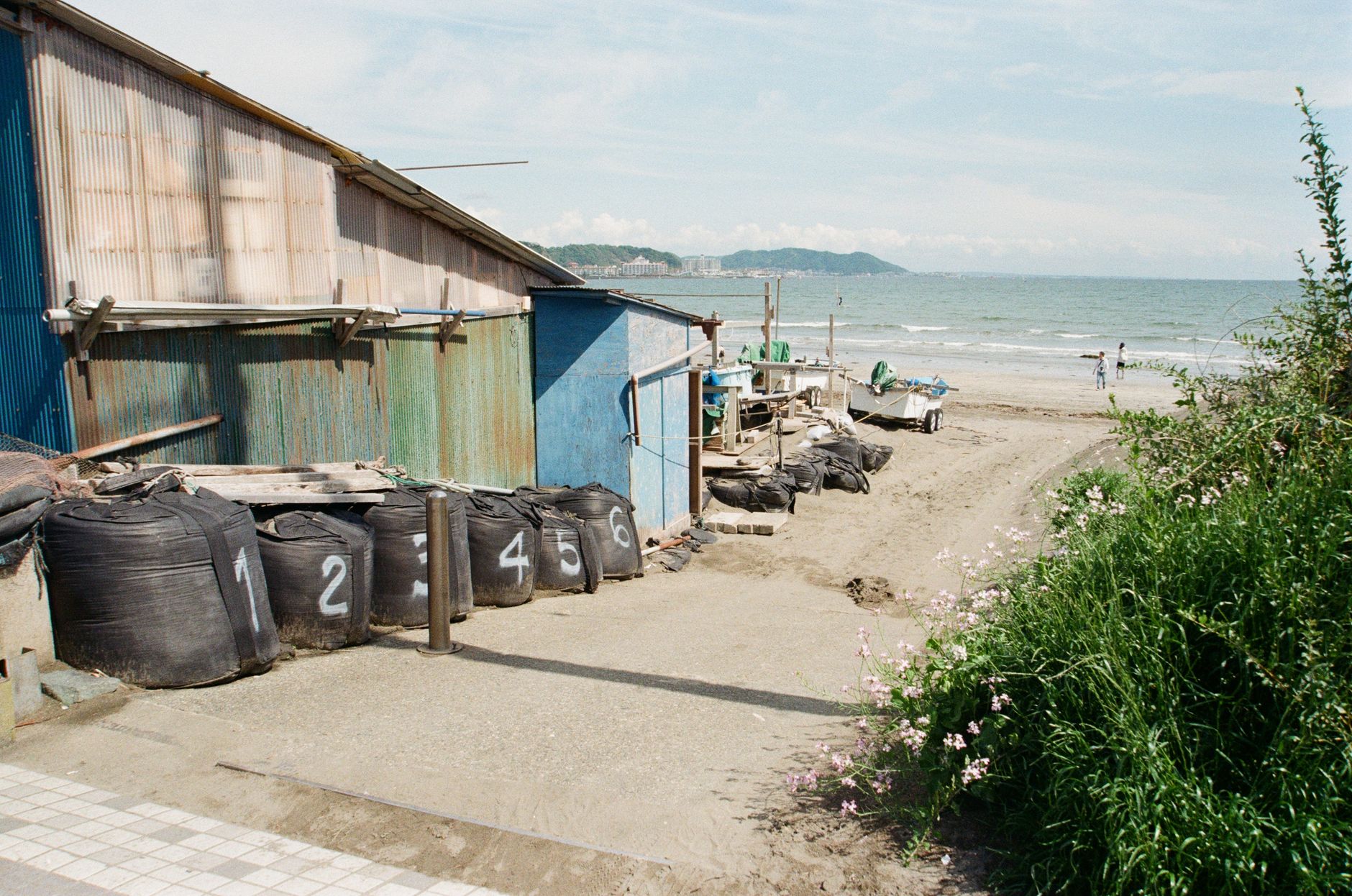
Just 49 days later, on 16 December 1707, Mount Fuji erupted in what is now known as the Hōei eruption — its most recent eruption to date. Modern seismologists consider it highly likely that the stress changes from the earthquake helped trigger the eruption, making the 1707 Hōei event one of the clearest historical examples of a major earthquake awakening a nearby volcano.
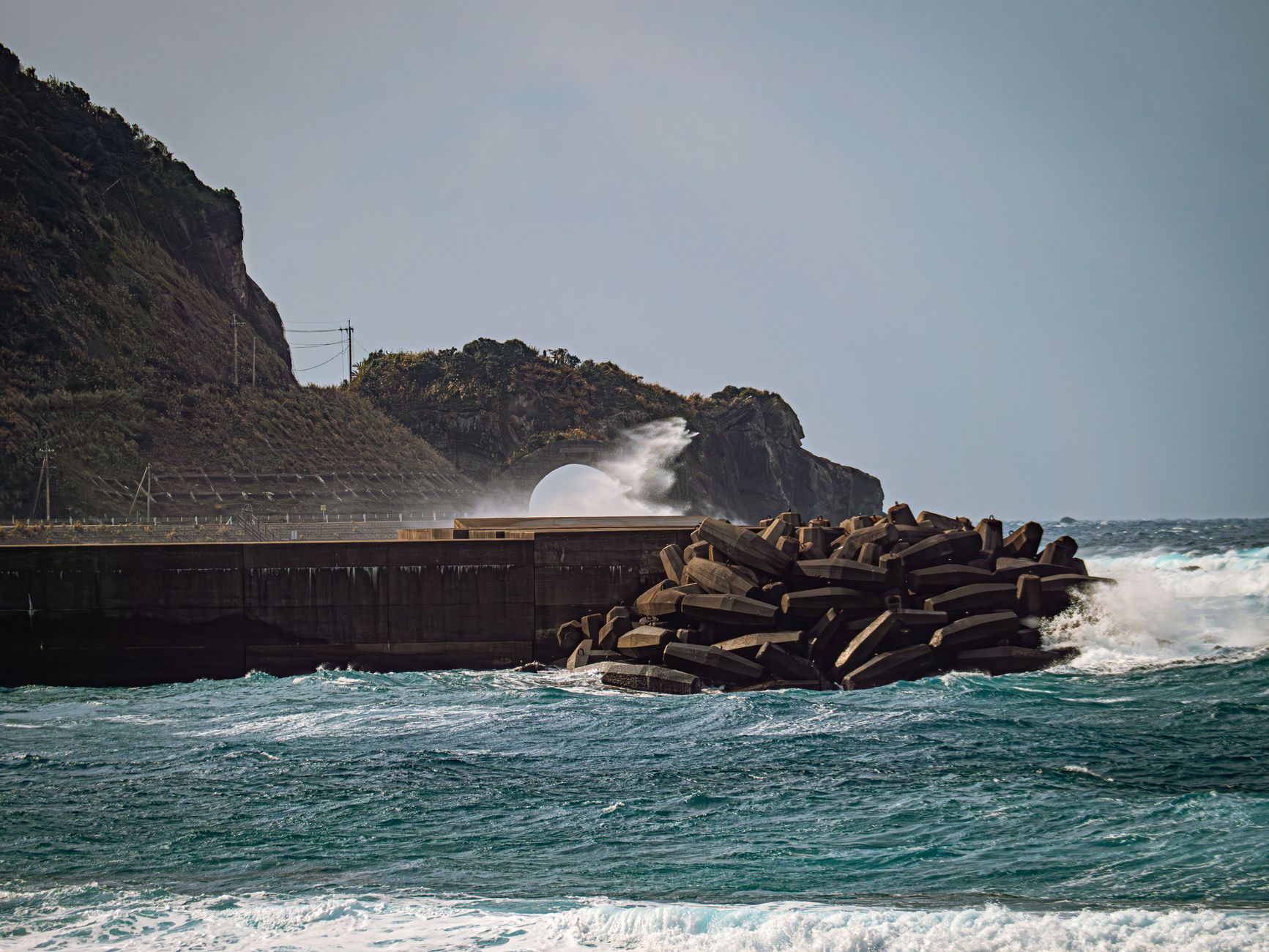
NOAA's National Centers for Environmental Information (NCEI) catalogues the 1707 Hōei earthquake in its Significant Earthquake and Tsunami Databases as a benchmark event for Nankai Trough hazard planning. Because the trough is known to rupture roughly every 100 to 200 years — as it did again in 1854 and in the 1944–1946 Tōnankai–Nankai sequence — Japanese seismologists treat a repeat of the full 1707-style rupture as one of the country's most serious long-term earthquake and tsunami risks.