At around 9 p.m. on 11 January 1693, an earthquake estimated at magnitude 7.4 struck south-eastern Sicily, likely offshore in the Ionian Sea near the Malta Escarpment. It was preceded two days earlier by a strong magnitude 6.2 foreshock that had already damaged buildings and sent residents fleeing outdoors — a decision that saved many lives when the main shock struck.
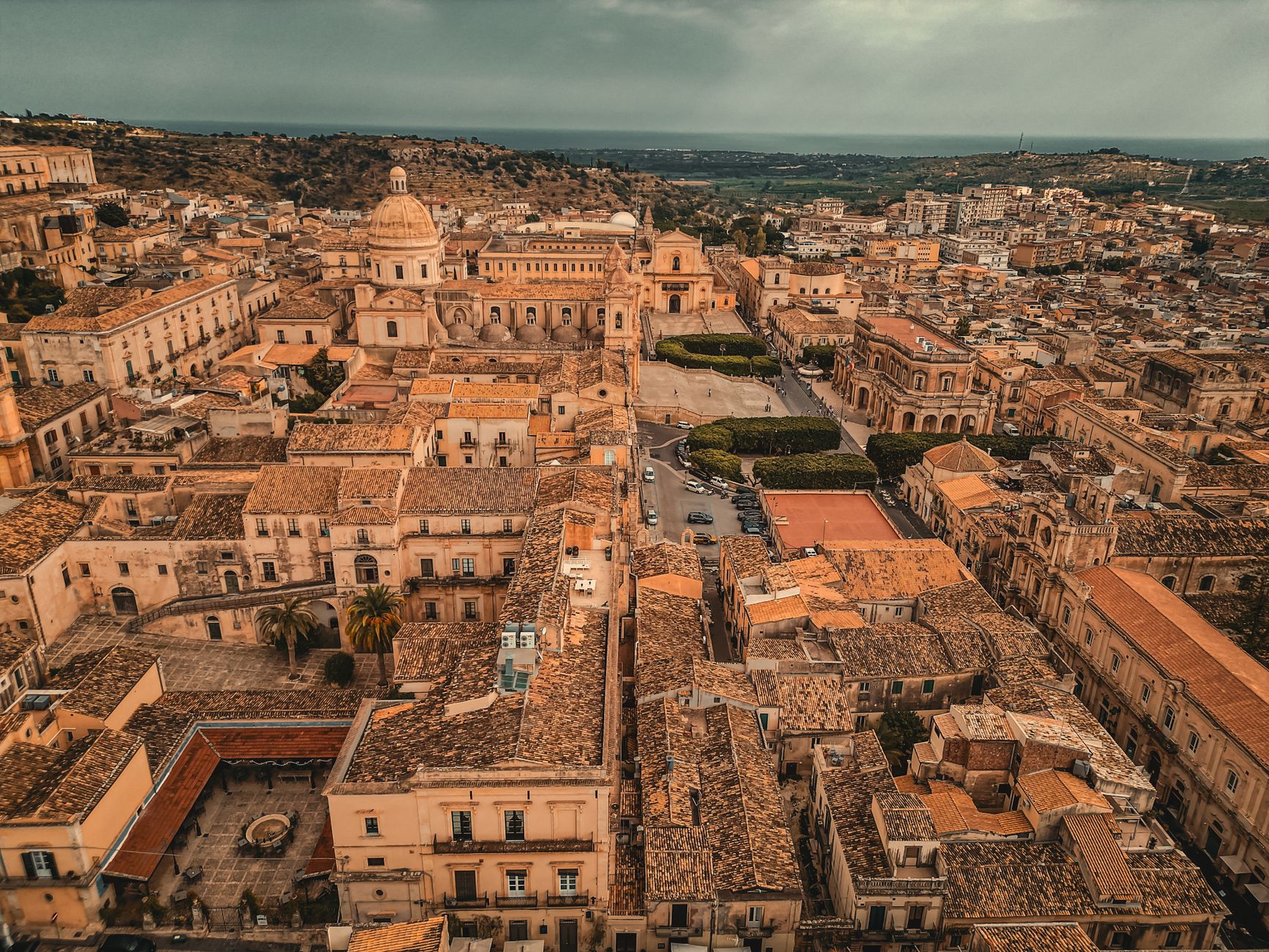
The main shock destroyed or seriously damaged at least 70 towns and cities across an area of roughly 5,600 square kilometres, including Catania, Noto, Modica, Ragusa and Syracuse. Contemporary accounts describe entire towns reduced to rubble in seconds; the death toll is estimated at about 60,000 people, roughly 5% of Sicily's population at the time, making it the most powerful and among the deadliest earthquakes in recorded Italian history.
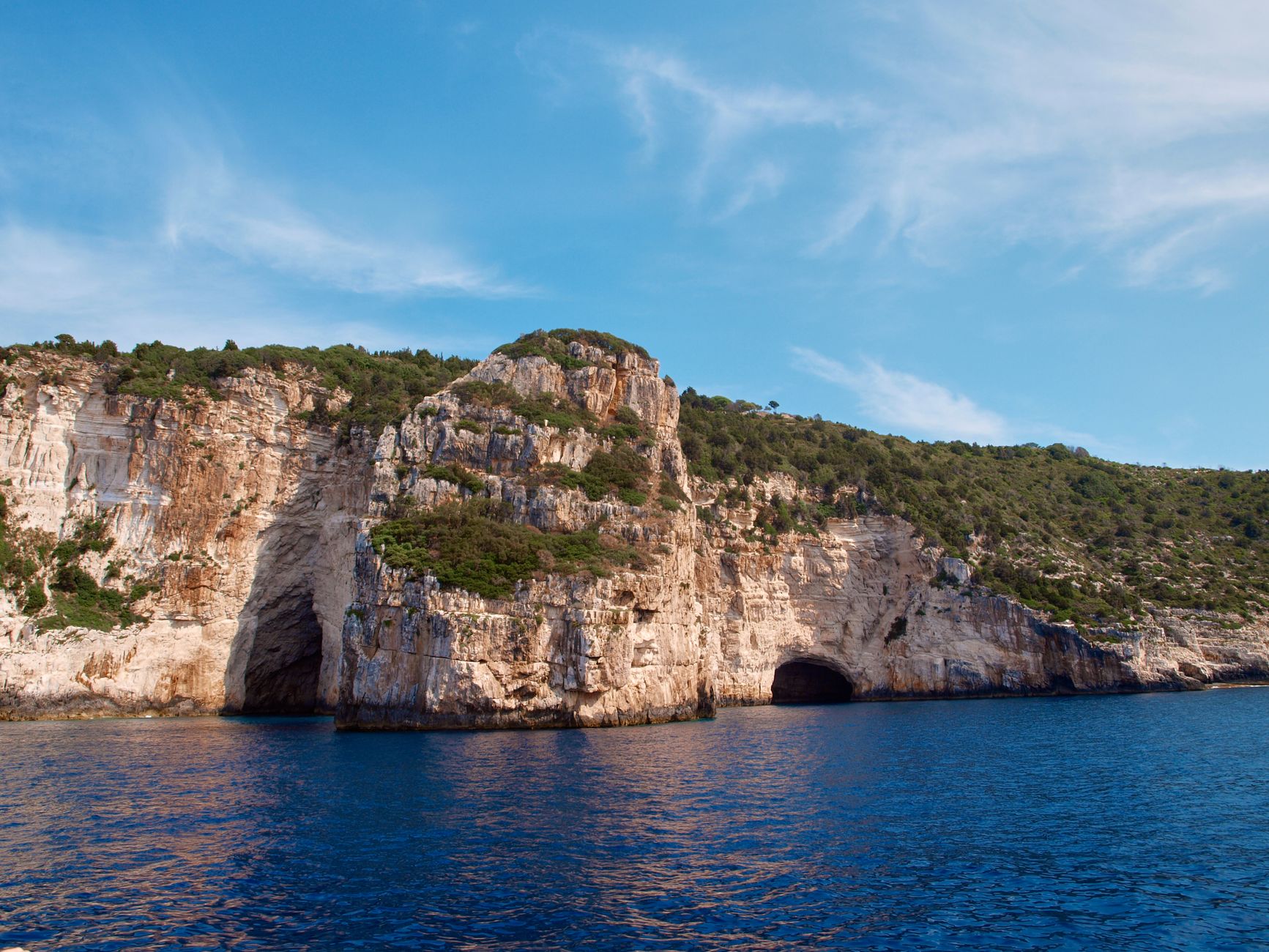
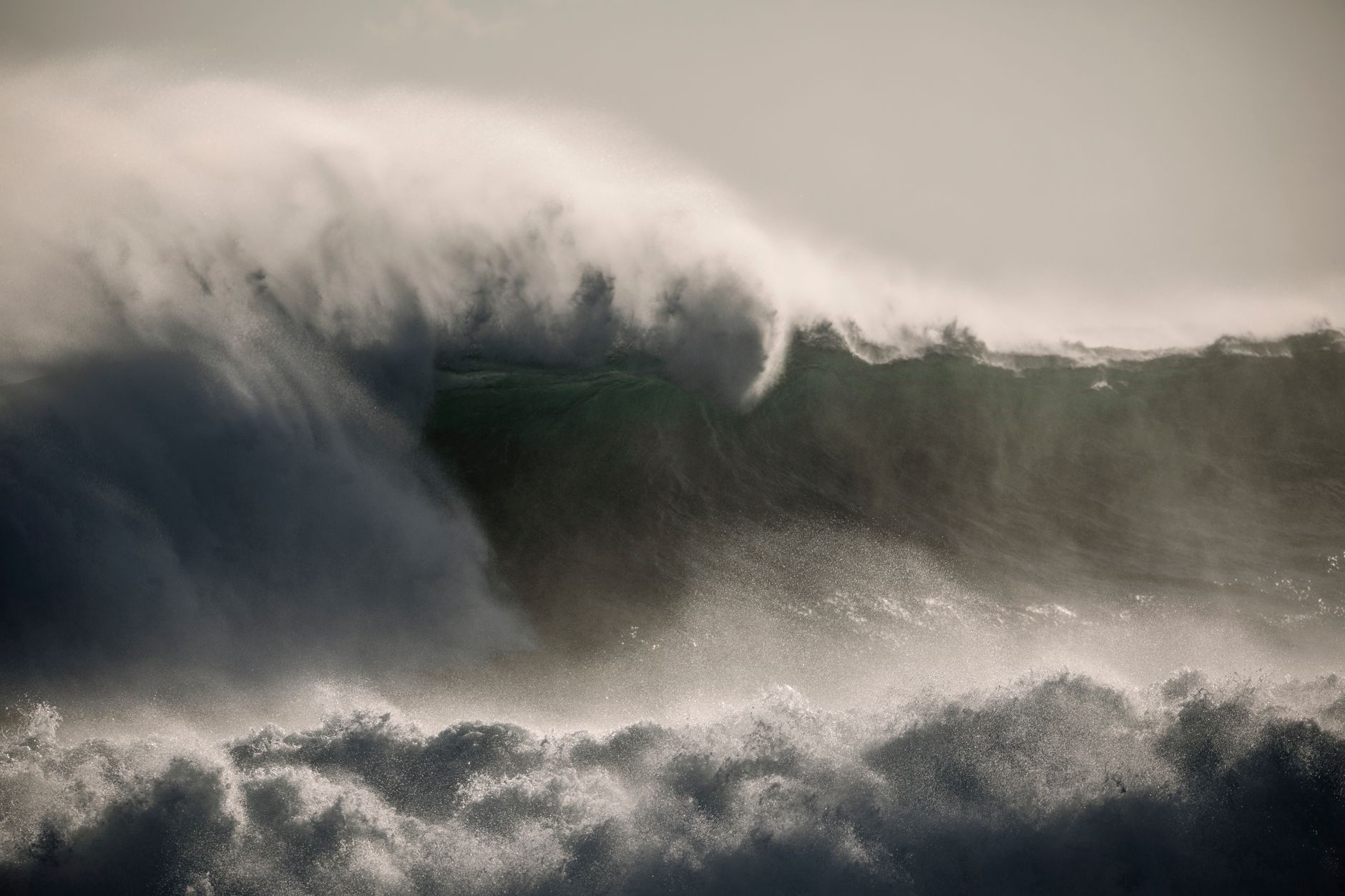
Minutes after the shaking, a tsunami with waves reported between 5 and 10 metres struck the Ionian coast and the Straits of Messina, drowning fishing villages and pulling boats far inland. Aftershocks continued for weeks, hampering rescue efforts across the devastated region.
NOAA's National Centers for Environmental Information (NCEI) lists the 1693 Val di Noto earthquake among the most significant historical events in its Euro-Mediterranean earthquake catalogue. The rebuilt towns — constructed in a distinctive late-Baroque style championed by architects such as Rosario Gagliardi — today form the Val di Noto UNESCO World Heritage Site, and the same Ionian subduction zone remains the reference hazard source for eastern Sicily's earthquake risk.