At 13:35 local time (04:35 UTC) on 7 December 1944, a magnitude 8.1 earthquake ruptured a segment of the Nankai Trough off the eastern Kii Peninsula, at a depth of about 30 km, where the Philippine Sea Plate subducts beneath Japan. It is one of a recurring series of great megathrust earthquakes that have broken the Nankai Trough roughly every 100 to 150 years.
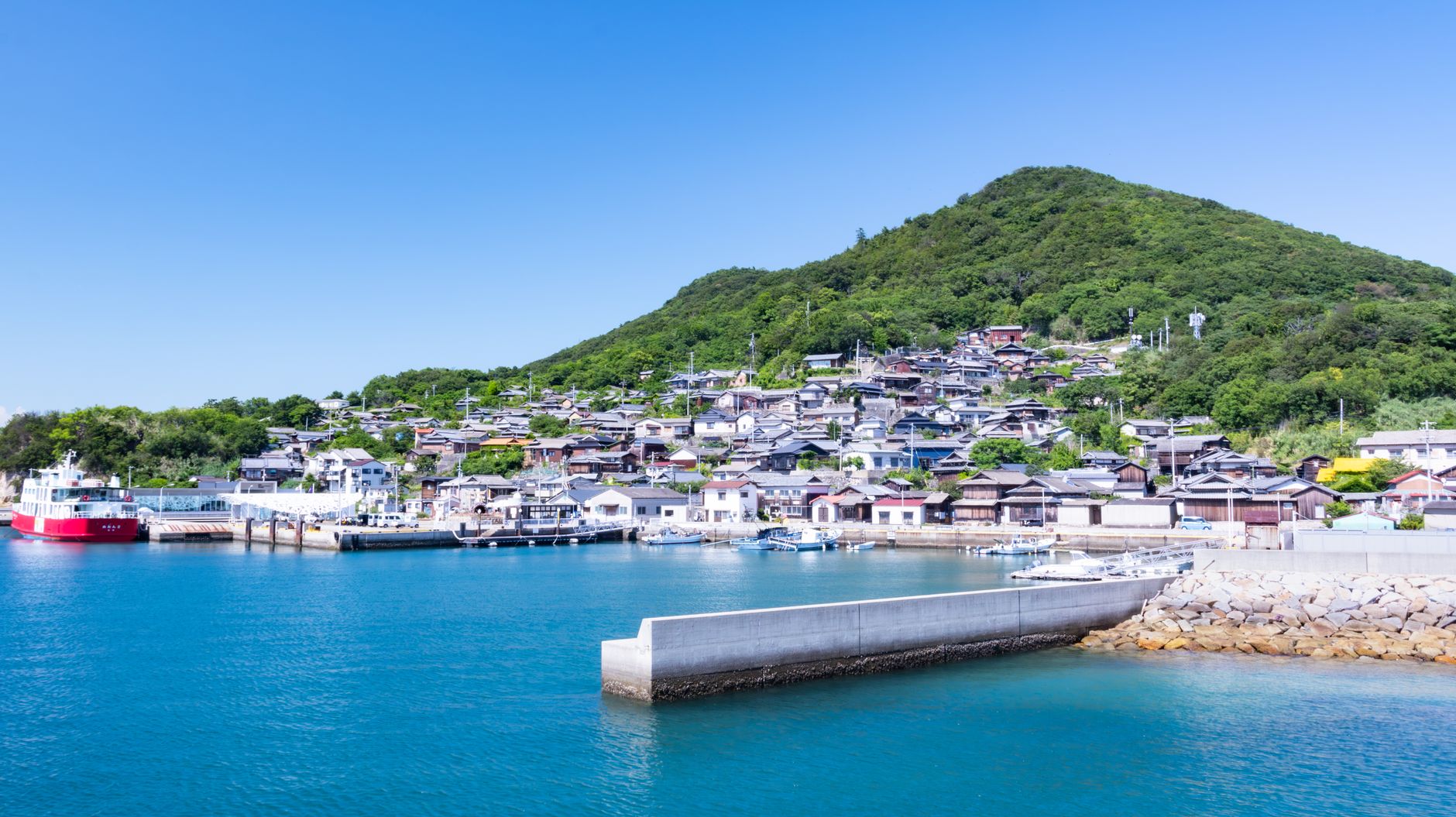
The shaking and the tsunami that followed — waves up to 6-8 metres along the coasts of Wakayama, Mie and Shizuoka prefectures — officially killed about 1,223 people and destroyed or damaged tens of thousands of homes. Because Japan was fighting the final months of the Second World War, the government censored news coverage to protect wartime morale and conceal damage to aircraft factories, including a Nakajima plant producing parts for Zero fighters that collapsed on its workforce; researchers who later combed through uncounted regional records believe the true toll may run closer to 1,900.

Just 37 days later, on 13 January 1945, the magnitude 6.8 Mikawa earthquake struck nearby Aichi Prefecture, killing at least 1,180 more people — with some estimates above 2,000 — in a second quake whose damage was, again, kept out of the wartime press. Two years after that, on 20 December 1946, the adjacent segment of the same subduction trench ruptured in the magnitude 8.1 Nankai earthquake, completing a chain of sequential ruptures along the Nankai Trough within a single decade.
Because so much of the 1944 disaster went unreported at the time, it remained one of the least-documented major earthquakes of the 20th century for years afterwards. Declassified records and post-war seismic surveys have since folded it into Japan's official hazard models for the Nankai Trough, which the Japan Meteorological Agency and Japanese government consider overdue for its next great rupture — a scenario now planned for under Japan's Nankai Trough megaquake early-warning system.